Jon
This situation sits at the intersection of Indiana's expungement system and New York's strong "fair chance" employment laws, and the practical outcome is generally more favorable than it first appears.
Under Indiana law, specifically Indiana Code § 35-38-9-10(e), a person whose record is expunged is treated as if they had never been convicted of the offense. This includes a conviction expunged with the records marked under Indiana Code § 35-38-9-7. In practice, that means when a job application asks whether you have been convicted of a crime, you are generally allowed to answer "no." Under Indiana Code § 35-38-9-10(d), applications may ask about criminal history only in terms that exclude expunged convictions.
Indiana law also prohibits employers from discriminating against you because of an expunged record (Indiana Code § 35-38-9-10(b)). The nuance in your situation is that under Section 7 expungement, the record is not fully hidden from the public. It remains publicly accessible but must be clearly marked as expunged (Indiana Code § 35-38-9-7(b)), even though its legal effect is significantly reduced.
When the job is in New York, additional protections apply, but it is important to rely on the right one. New York Executive Law § 296(16), part of the state Human Rights Law, makes it unlawful for most employers to ask about or act on records sealed under specific New York Criminal Procedure Law provisions. It does not mention expungements from other states, so it should not be relied on for an Indiana expungement. The statewide protection that does reach out-of-state convictions is Executive Law § 296(15) together with Correction Law Article 23-A. Article 23-A applies to convictions from New York or any other jurisdiction. It prohibits denying employment based on a prior conviction unless the offense is directly related to the job or hiring you would pose an unreasonable risk (Correction Law § 752). If the job is in New York City, the NYC Fair Chance Act goes further and bars most employers from asking about or considering convictions that were sealed or expunged.
Under Article 23-A, an employer that learns of a conviction must weigh specific factors before making a decision, such as how long ago the offense occurred, its relationship to the job, and evidence of rehabilitation. Your Indiana expungement is strong evidence in your favor. So even though a "marked as expunged" Indiana entry is not automatically off-limits under statewide New York law, a New York employer cannot lawfully treat it as an automatic disqualifier.
For financial institution jobs, federal law also comes into play. Under 12 U.S.C. § 1829, known as Section 19 of the Federal Deposit Insurance Act, a person convicted of an offense involving dishonesty, breach of trust, or money laundering generally cannot work for an FDIC-insured bank without FDIC consent. There are two important exceptions:
- Expungement exception. Section 1829(c)(2) excludes an expunged or sealed conviction, but only if the order or the law under which it was issued intends the conviction to be destroyed or sealed from your record. A Section 7 Indiana expungement keeps the record public and marks it rather than sealing it, so this exception may not clearly apply.
- Age-based exception. Section 1829(c)(1) excludes most offenses that occurred 7 or more years ago, or where 5 or more years have passed since release from incarceration. This will often cover a conviction old enough to qualify for Indiana expungement.
The FDIC's implementing rule is at 12 CFR 303.223(c). Whether a particular drug offense counts as a covered offense at all depends on its elements, so that is worth confirming as well.
Putting this together, Indiana law lets you answer that you have not been convicted in most job applications under Indiana Code § 35-38-9-10. In New York, statewide law under Executive Law § 296(15) and Correction Law Article 23-A prohibits employers from rejecting you based on the old conviction unless it is directly related to the job or poses an unreasonable risk. In New York City, the Fair Chance Act treats expunged convictions as off-limits. For banking and regulated financial roles, 12 U.S.C. § 1829 will often not apply because of its age-based exception, even if the expungement exception does not clearly cover a Section 7 expungement.
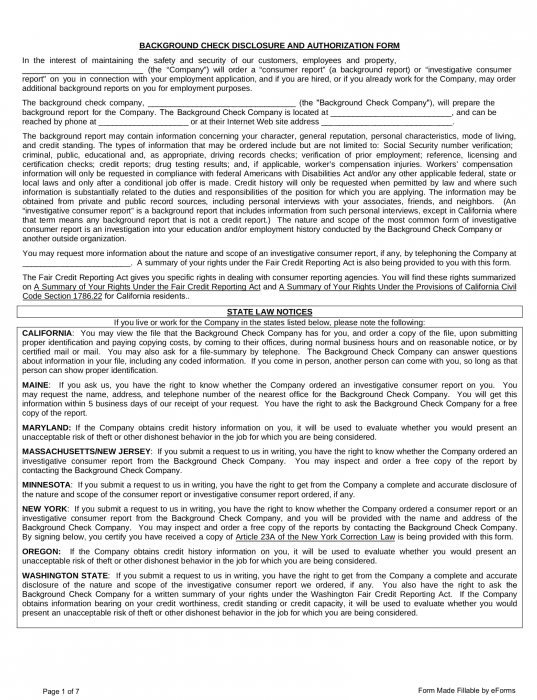
The only practical complication is that background check companies may still report a "marked as expunged" entry in some cases. If a New York employer improperly relied on that information to withdraw an offer, it would likely conflict with New York's employment protections, but it could still create a situation where you would need to actively challenge the decision to enforce your rights.


 Solved
 Create Document


 20
20
 8
8