Angelo M
You are thinking about this correctly now, strategically rather than emotionally, and that is extremely important before Friday's Motion to Vacate hearing. Your instinct to protect the record instead of escalating into a sanctions war is, in my opinion, the safer and stronger course right now.
On your first point, yes, "failure to advocate your position adequately" is a much safer and more credible framing than alleging collusion or conspiracy. Judges understand attorney communication breakdowns happen. They do not respond well to unsupported accusations between counsel unless there is hard evidence. Keeping your language measured preserves your credibility, which is one of your most valuable assets as a pro se litigant.
Regarding the opposing attorney threatening sanctions against you for filing pro se papers: attorneys sometimes do this strategically to intimidate or discourage filings. But a litigant generally has the right to file pro se, particularly when counsel is absent, communication has broken down, or urgent deadlines exist. The issue is usually not whether you filed pro se; it is whether the filings comply procedurally and whether the court has clarity on your representation status. That is why I believe clarification filings and affidavits are wiser right now than retaliatory sanctions motions.
Importantly, your upcoming Motion to Vacate is the priority. Everything should support preserving that hearing and keeping the court focused on the merits and procedural fairness. You do not want the judge distracted by collateral disputes unless absolutely necessary. Your goal is to appear organized, respectful, fact-driven, and focused on ensuring the court hears the substantive issues fairly.
As to your question #3: I am not saying "file nothing." I am saying avoid filing an aggressive sanctions or contempt motion before Friday unless something extraordinary happens. Instead, a narrowly tailored affidavit or declaration clarifying:
- service facts,
- your procedural posture,
- your temporary pro se necessity,
- your request for fairness and opportunity to be heard,
is much safer strategically.
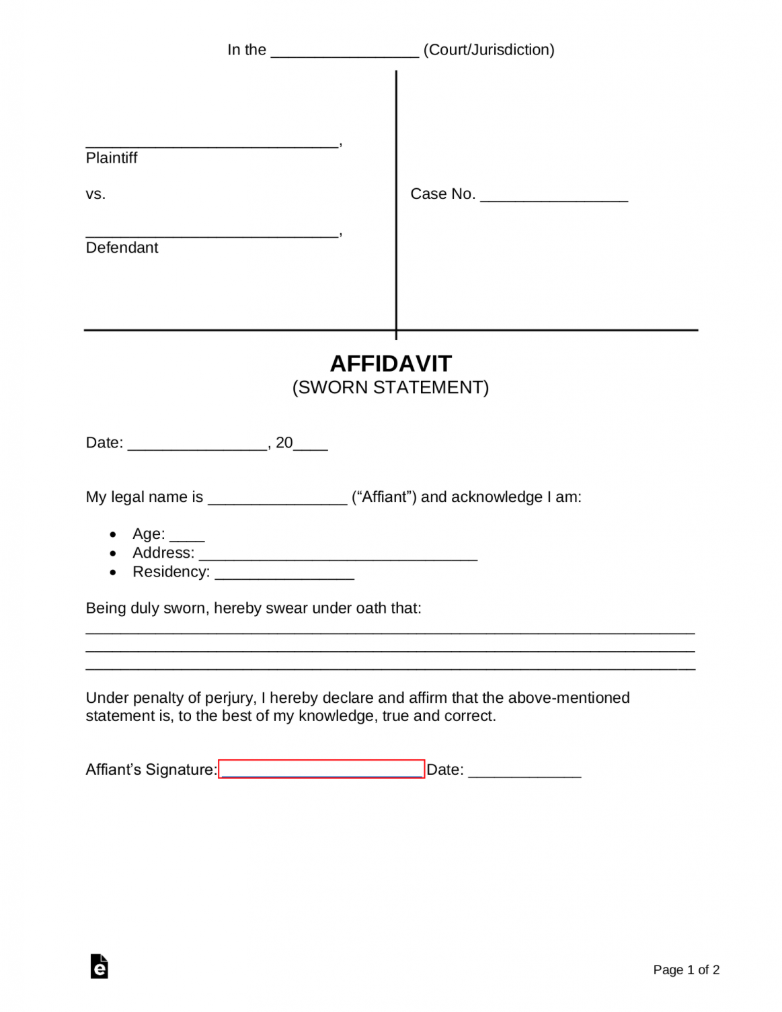
For #4: yes, absolutely. Your friend can provide a sworn statement. The terminology is important. Usually, this would be titled something like:
"Affidavit of Service Witness"
or
"Declaration of [Name] Regarding Service"
or
"Affidavit in Support of Defendant's Motion"
depending on your state's terminology rules.
Your friend's affidavit or declaration should simply state factual observations:
- date,
- location,
- what documents were handed over,
- to whom,
- and what was personally observed.
- No emotional commentary. No attacks. Just facts.
You then attach that affidavit as an exhibit to your own affidavit or declaration. Your own filing might be titled something like:
"Defendant's Affidavit Clarifying Service and Temporary Pro Se Status"
or
"Affidavit in Support of Motion to Vacate and Clarification of Procedural Record."
That type of title sounds professional, restrained, and non-combative.
As to #5 regarding a Notice of Pro Se Appearance: technically, in many jurisdictions, yes, a formal notice is often filed when a party begins appearing without counsel. However, courts also commonly encounter "hybrid" situations where counsel technically remains attorney of record while a litigant files emergency or supplemental pro se papers because communication has broken down. Judges vary widely in how they react to this.
What likely hurt you procedurally was not necessarily filing pro se itself, but the court lacking clarity about:
- whether your attorney still represented you,
- whether you were appearing independently,
- whether your filings were supplemental,
- and whether you were asking to substitute counsel.
- That confusion can cause judges to become impatient quickly.
So going forward, clarity is your friend. Something simple and respectful such as:
"Defendant submits this filing pro se due to immediate procedural necessity and breakdown in communication with current counsel pending clarification of representation status"
is often much safer than broader language.
One additional important point: at Friday's hearing, if your attorney is absent again, you may calmly and respectfully state:
"Your Honor, I am requesting a continuance if the Court believes representation status is unclear, as I do not wish to prejudice my rights on this Motion to Vacate."
That is a very different tone than arguing emotionally or accusing anyone of misconduct. It signals respect for the court while preserving your position.
You are approaching this more carefully now, and I genuinely think that will help you substantially.

 Solved
 Create Document


 21
21
 8
8