Legal Eagle
To address the possibility of being blacklisted, you can begin by gathering as much concrete evidence as possible regarding your job applications and the feedback you receive. You could request copies of your personnel files from both your former employer and the businesses that have recently let you go. Most states have laws that allow employees or former employees to view these records, which might contain notes or communications that explain why you were terminated or not hired.
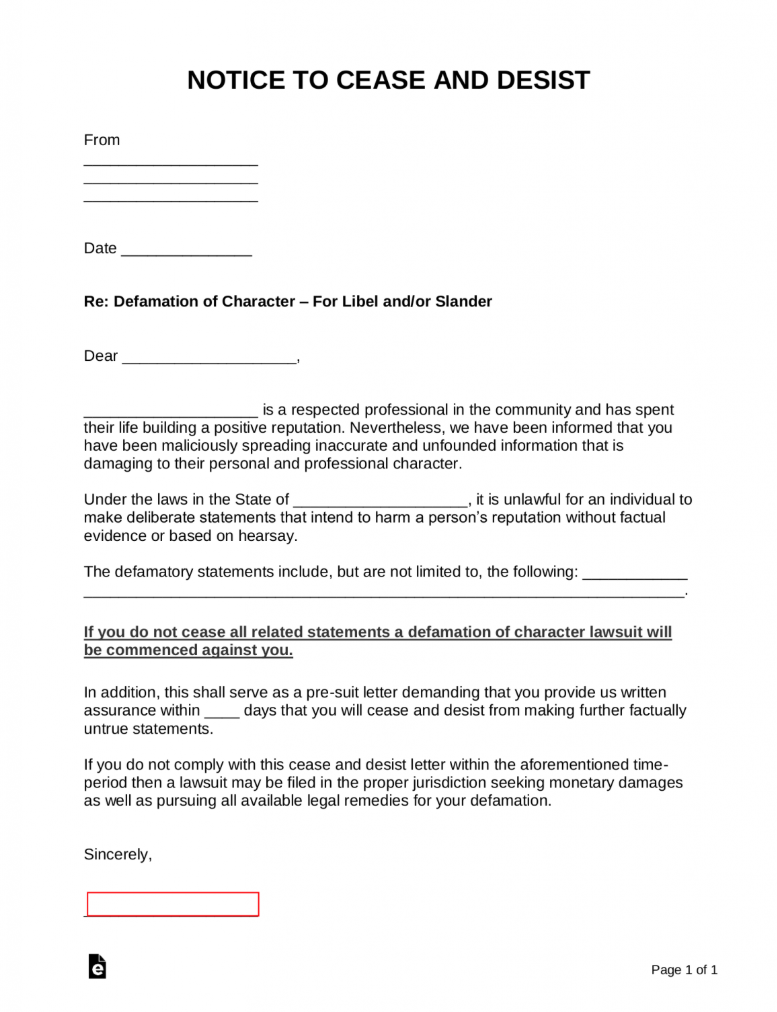
If you believe a former employer is sharing false information with the intent to prevent you from being hired elsewhere, this might fall under defamation or tortious interference with a business relationship. To build a case, it is necessary to prove that the individual made a false statement about you to a third party, and that this statement caused you actual harm, such as the loss of a job or income. It is also important to show that the statement was made with malice or a reckless disregard for the truth. In the automotive industry, if a former employer is using their position within a retail association to spread lies, those specific communications would be the primary evidence needed to move forward.
The other party might raise several defenses to counter your claims. They could argue that any information they shared was truthful or that it was a statement of opinion rather than a statement of fact. They might also claim they have a qualified privilege to share information with other employers in the same industry. Because of these potential defenses, having a clear timeline of when you left the former business and when the subsequent job issues began can be very helpful. You can document every interview and every instance where a job offer was rescinded or employment was ended abruptly to see if there is a pattern that connects back to the previous employer.
Potential recourse in these situations can include seeking compensation for lost wages or the emotional distress caused by the situation. If a court finds that the actions were particularly harmful, there could be a possibility for other types of monetary awards. While you navigate this, you could consider looking for work in a different geographical area or in a related field where that specific retail association has less influence. You could also reach out to the state department of labor to inquire about their process for reporting unfair labor practices or blacklisting.
Helpful tips for your situation include keeping a detailed log of all professional interactions and saving any written correspondence from your former boss. You can also perform a background check on yourself to see if any unexpected information appears. Under the federal Fair Credit Reporting Act, 15 U.S.C. § 1681g, consumer reporting agencies, including employment background screening companies, must disclose the information in your file when you request it. If you suspect government involvement or a specific watch list, you could file a Freedom of Information Act (5 U.S.C. § 552) request to see if there are any records associated with your name. Records a federal agency keeps about you as an individual can also be requested under the Privacy Act of 1974 (5 U.S.C. § 552a). For more specific guidance, the Department of Labor can be reached at 1-866-487-2365. Given the complexity and variation in laws, consulting with a local lawyer who is familiar with the laws in your specific area can be beneficial.