[CT] If a buyer says they’re withdrawing from a valid contract but I see no legal basis for cancellation, what can I do?
Because there was no deposit paid, your situation becomes more complex under Connecticut property and contract law.
1. Contingencies Control Whether Withdrawal Is Allowed
In Connecticut, a buyer may withdraw without penalty if their cancellation is permitted under a valid contingency in the Purchase and Sale Agreement (P&S). Common contingencies include:
- Appraisal contingency
- Financing (mortgage) contingency
- Inspection contingency
- Attorney review contingency (less common, but used in some contracts)
If the appraisal came in below the contract price, and the P&S contains a standard appraisal clause, the buyer’s withdrawal is typically valid and the contract terminates without breach.
Connecticut standard form contracts often incorporate appraisal and financing contingencies by reference, and their deadlines are enforceable under Connecticut contract law (see McClain v. Kimbrough, 201 Conn. 489 (1986)).
2. Withdrawal Without a Valid Contingency May Be a Breach
If the buyer canceled for a reason not permitted by the contract, that may constitute a breach of contract. Under Connecticut law, a breach occurs when:
- A party fails to perform a contractual duty,
- Without legal justification, and
- Causes financial harm to the other party.
See: Ravitch v. Stollman Poultry Farms, Inc., 165 Conn. 135 (1973).
Your challenge is that without a deposit, you lack the normal remedy of retaining the earnest money as liquidated damages.
To recover damages, you would have to pursue a civil action for breach, which may include:
- Additional carrying costs,
- Difference between the contract price and future sale price,
- Reasonable reliance damages (e.g., inspections, title work),
- And any direct financial losses caused by the cancellation.
However, this requires litigation — there is no automatic recovery.
3. The Lack of an Earnest Money Deposit Changes the Remedy
In most Connecticut transactions, the deposit serves as the seller’s primary remedy if the buyer defaults. Because the deposit was delayed pending the appraisal, you do not have immediate access to that remedy.
This makes it essential to determine:
- Whether the buyer’s withdrawal fits a valid contingency,
- Whether contingency deadlines were properly followed,
- Whether the buyer acted in good faith (a requirement in Connecticut real estate contracts).
4. Your Immediate Next Steps
A. Review the Contract Carefully
Focus on:
- Appraisal contingency language
- Financing contingency deadlines
- Inspection contingency terms
- Notice requirements (email, written notice, etc.)
- Any “escape clauses” or buyer protections
The exact wording will determine your legal options.
B. Identify the Buyer’s Stated Reason for Withdrawing
The buyer must rely on a contractually permitted justification. If the stated reason does not fall within a contingency or deadline, it strengthens a breach claim.
C. Consult a Connecticut Real Estate Attorney
Connecticut attorneys regularly deal with:
- Disputed buyer withdrawals
- Failed contingencies
- Deposits not yet paid
- Breach and damages claims
They can advise whether negotiation, a release, or legal action is the most cost-effective path.
At the end of the day, what really matters is whether the buyer had a valid contractual reason to walk away. If their withdrawal fits one of the contingencies in your Purchase and Sale Agreement — like the appraisal or financing clause — then the contract simply ends and neither side is at fault. But if they pulled out for a reason that isn’t supported by the contract, then you may be looking at a breach, even though enforcing your rights becomes trickier without a deposit already in escrow. That’s why the most important next step is to take a close look at the contract and pinpoint exactly why the buyer backed out. Once you know that, a Connecticut real estate attorney can help you decide whether to negotiate, release the buyer, or actually pursue damages, so you can move forward with the clearest and most cost-effective plan.
0
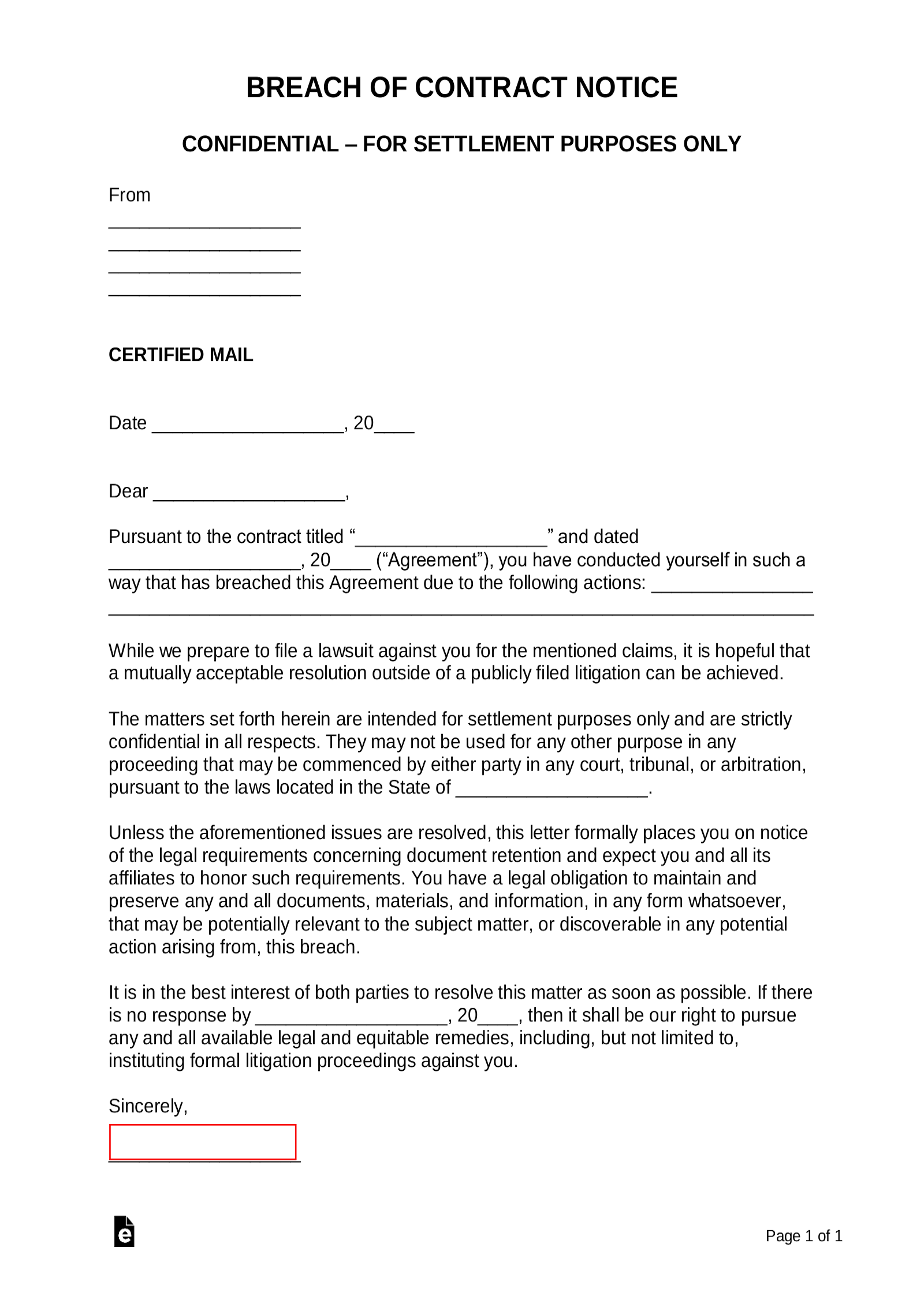
Breach of Contract Notice
Full Conversation
Have you reviewed the contract I am referring to?
Lexi, Chatbot
I understand the importance of reviewing your contract. Can you please provide more details about the specific issue you are facing?
Breach of the contract.
Lexi, Chatbot
Are there any specific clauses or terms in the contract that are causing concern or confusion?
No, the contract looks good. The issue is that the buyer informed me he is withdrawing from the contract, and I do not believe there are grounds to withdraw.
Lexi, Chatbot
Is there anything else the lawyer should know before I connect you? Rest assured, they’ll be able to help with your breach of contract.
No.
Jon
Hello, and thank you for reaching out! I’m Jon, a licensed attorney with over 13 years of experience, and I’m here to help. I know legal matters can feel overwhelming, but you’re in good hands. I’ll do my best to make things clear and provide you with the guidance you need. Let’s work together to find the right solution for your situation.
What type of contract is this?
Typical purchase and sale.
Jon
In what state?
Connecticut.
Jon
And you want to know what your options are if the buyer is withdrawing with no reason? Did they put money down when signing — a deposit?
It’s not for no reason; I just don’t believe it’s a valid reason. No money down at this point because we were waiting for the appraisal.
Jon
Understood! I think I have all the information I need, but is there anything else you’d like to add before I get started on your answer? If not, I’ll begin working on a response for you right away.
Do you want to see the contract?
Jon
I have no way via this system to see documents, sorry to say. I assume it’s the standard form contract, though.
Just give me a few minutes to type out a thorough response for you — I want to make sure I cover everything carefully.
Jon
Because there was no deposit paid, your situation becomes more complex under Connecticut property and contract law.
1. Contingencies Control Whether Withdrawal Is Allowed
In Connecticut, a buyer may withdraw without penalty if their cancellation is permitted under a valid contingency in the Purchase and Sale Agreement (P&S). Common contingencies include:
- Appraisal contingency
- Financing (mortgage) contingency
- Inspection contingency
- Attorney review contingency (less common, but used in some contracts)
If the appraisal came in below the contract price, and the P&S contains a standard appraisal clause, the buyer’s withdrawal is typically valid and the contract terminates without breach.
Connecticut standard form contracts often incorporate appraisal and financing contingencies by reference, and their deadlines are enforceable under Connecticut contract law (see McClain v. Kimbrough, 201 Conn. 489 (1986)).
2. Withdrawal Without a Valid Contingency May Be a Breach
If the buyer canceled for a reason not permitted by the contract, that may constitute a breach of contract. Under Connecticut law, a breach occurs when:
- A party fails to perform a contractual duty,
- Without legal justification, and
- Causes financial harm to the other party.
See: Ravitch v. Stollman Poultry Farms, Inc., 165 Conn. 135 (1973).
Your challenge is that without a deposit, you lack the normal remedy of retaining the earnest money as liquidated damages.
To recover damages, you would have to pursue a civil action for breach, which may include:
- Additional carrying costs,
- Difference between the contract price and future sale price,
- Reasonable reliance damages (e.g., inspections, title work),
- And any direct financial losses caused by the cancellation.
However, this requires litigation — there is no automatic recovery.
3. The Lack of an Earnest Money Deposit Changes the Remedy
In most Connecticut transactions, the deposit serves as the seller’s primary remedy if the buyer defaults. Because the deposit was delayed pending the appraisal, you do not have immediate access to that remedy.
This makes it essential to determine:
- Whether the buyer’s withdrawal fits a valid contingency,
- Whether contingency deadlines were properly followed,
- Whether the buyer acted in good faith (a requirement in Connecticut real estate contracts).
4. Your Immediate Next Steps
A. Review the Contract Carefully
Focus on:
- Appraisal contingency language
- Financing contingency deadlines
- Inspection contingency terms
- Notice requirements (email, written notice, etc.)
- Any “escape clauses” or buyer protections
The exact wording will determine your legal options.
B. Identify the Buyer’s Stated Reason for Withdrawing
The buyer must rely on a contractually permitted justification. If the stated reason does not fall within a contingency or deadline, it strengthens a breach claim.
C. Consult a Connecticut Real Estate Attorney
Connecticut attorneys regularly deal with:
- Disputed buyer withdrawals
- Failed contingencies
- Deposits not yet paid
- Breach and damages claims
They can advise whether negotiation, a release, or legal action is the most cost-effective path.
At the end of the day, what really matters is whether the buyer had a valid contractual reason to walk away. If their withdrawal fits one of the contingencies in your Purchase and Sale Agreement — like the appraisal or financing clause — then the contract simply ends and neither side is at fault. But if they pulled out for a reason that isn’t supported by the contract, then you may be looking at a breach, even though enforcing your rights becomes trickier without a deposit already in escrow. That’s why the most important next step is to take a close look at the contract and pinpoint exactly why the buyer backed out. Once you know that, a Connecticut real estate attorney can help you decide whether to negotiate, release the buyer, or actually pursue damages, so you can move forward with the clearest and most cost-effective plan.
Thanks.
Great! I’m glad I could help. I hope the information I provided was useful and addressed your question.
If there’s anything else you need, please don’t hesitate to reach out — I’m always happy to assist.
Wishing you a fantastic day ahead!
19
7
Answered 2 weeks ago
18
6
Answered 2 weeks ago
Disclaimer
By messaging AskaLawyer.com, you agree to our Terms and have read our Privacy Policy.
The information provided on AskaLawyer.com is for general informational purposes only and does not constitute legal advice. While we strive to ensure the accuracy and timeliness of the information presented, we make no guarantees regarding its completeness or applicability to your specific circumstances.
Use of this website does not create an attorney-client relationship between you and AskaLawyer.com or any of its attorneys. Communications through this website, including any responses from attorneys, are not privileged or confidential. For advice tailored to your individual situation, we recommend consulting a licensed attorney in your jurisdiction.
AskaLawyer.com disclaims any liability for actions taken or not taken based on the content of this site. We are not responsible for any third-party content that may be accessed through this website. Reliance on any information provided herein is solely at your own risk.