


Transferring your northern Wisconsin property into your revocable trust is a smart step in estate planning. This requires more than inserting language into the trust—you must legally retitle the property into the name of your trust.
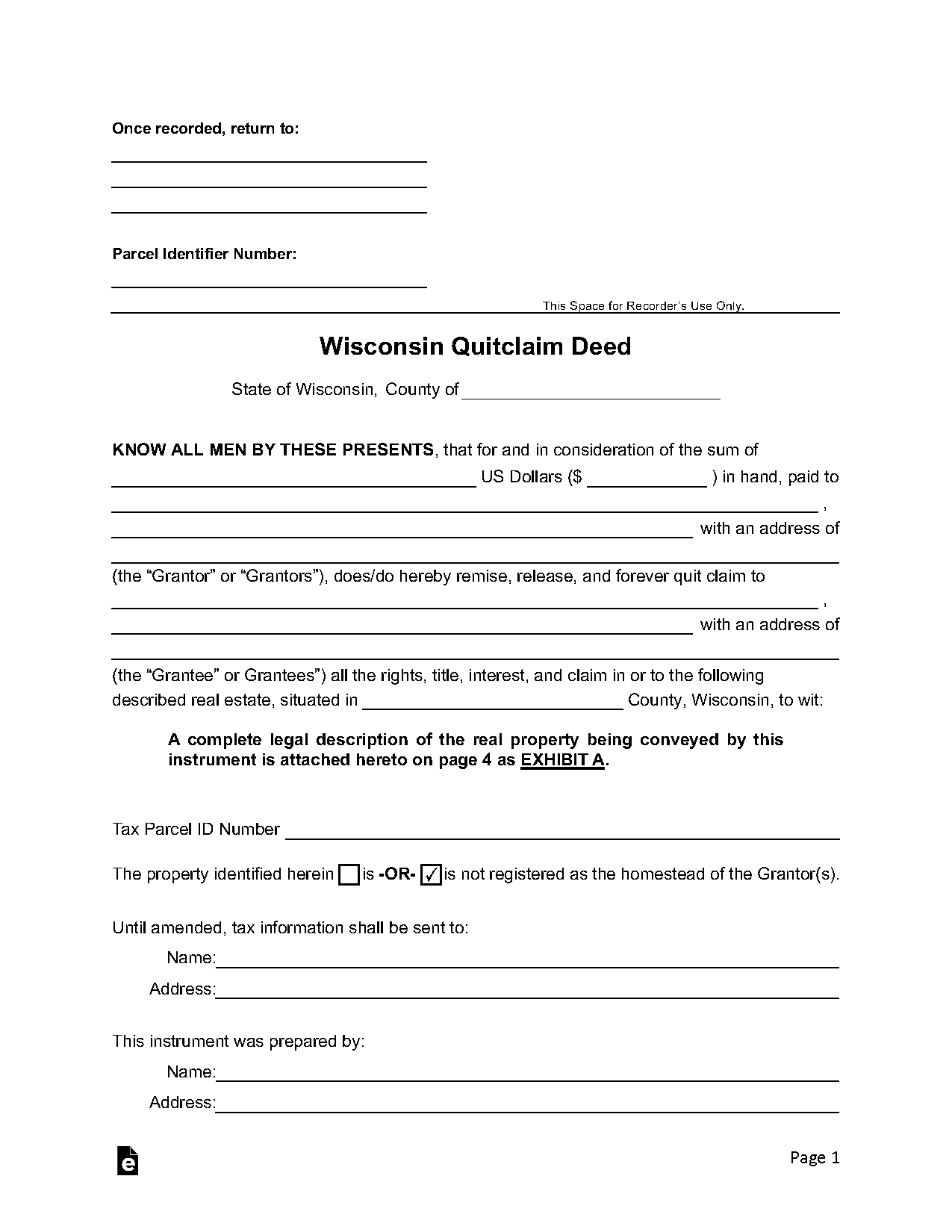
Review your trust to get the exact legal trust name and trustee names. Then prepare a new deed (usually a Quitclaim Deed), listing you as the “grantor” and the trust as the “grantee,” using a format such as:
“John A. Doe and Jane B. Doe, as Co-Trustees of The Doe Family Revocable Trust dated January 1, 2023.”
Include the full legal property description exactly as on your existing deed.
After you sign the new deed before a notary, it must be recorded with the Register of Deeds in the county where the property is located. Notify your mortgage lender (if applicable) and update your homeowner’s insurance.
A Wisconsin estate planning attorney can prepare or review the deed to avoid errors.


 Upvote if this is a clear answer

 Downvote if this is not a clear answer
 Create Document
Full Conversation

I want to add a property that I own up north in the trust. What’s the best way to word that?

I understand you want to add your property to a trust. Have you already set up a trust for this purpose?
Yes.
Are you looking to transfer ownership of the property into the trust’s name?
Yes.
Is there anything else the lawyer should know before I connect you? Rest assured they’ll be able to help with adding property to your trust.
No.

Hello and thank you for reaching out! I’m Jon, a licensed attorney with over 13 years of experience, and I’m here to help.
What state is the property located in, and was the trust formed in the same state?
Wisconsin.
Both the property and trust formation?
Yes.
And what type of trust—revocable, irrevocable, etc.?
Revocable.
Transferring your northern Wisconsin property into your revocable trust is a smart step in estate planning. This requires more than inserting language into the trust—you must legally retitle the property into the name of your trust.
Review your trust to get the exact legal trust name and trustee names. Then prepare a new deed (usually a Quitclaim Deed), listing you as the “grantor” and the trust as the “grantee,” using a format such as:
“John A. Doe and Jane B. Doe, as Co-Trustees of The Doe Family Revocable Trust dated January 1, 2023.”
Include the full legal property description exactly as on your existing deed.
After you sign the new deed before a notary, it must be recorded with the Register of Deeds in the county where the property is located. Notify your mortgage lender (if applicable) and update your homeowner’s insurance.
A Wisconsin estate planning attorney can prepare or review the deed to avoid errors.
In the trust, do I need to use verbiage for the property? I understand how to file the quitclaim deed and will do that with the attorney I’ve used before.
No. In a typical revocable trust, you do not need to list each piece of real estate inside the trust document.
The trust already controls any assets that you title into the trust’s name. Listing property in the trust is optional—not legally required.
I am confused because on the last page of the trust form I just filled out, it had space for specific property information.
I can’t see the form you're using, but if the form includes a property section, you can fill it in. It's optional.
Listing property does not hurt anything, but Wisconsin law does not require real estate to be listed inside the trust document. The key is the recorded deed, not what’s written in the trust.
Ok.