[NC] How can we evict a long-term guest who refuses to leave, and the homeowner is physically unable to go to court?

Angelo M
Angelo M

14,444 satisfied customers

View context
Solved

In a situation like this, the law generally looks at how long the person has been living there and whether they were ever given permission to stay. After two years of living there with your father’s consent, this person may now be considered a “tenant at will” or even a month-to-month tenant, depending on your state’s landlord-tenant laws — even if she has never paid rent. (NC Gen Stat § 42-4)

That’s important because it means you can’t simply make her leave without going through the proper legal steps. Usually, that begins with serving her a written notice to vacate, giving her a set amount of time (often 30 days, sometimes 60) to move out. If she refuses to go after that, the next step would be filing a formal eviction case (sometimes called “unlawful detainer”) in court.

Since your grandmother owns the house, she would be the proper person to issue the notice to vacate and later file for eviction, not you or your father. It’s critical to avoid self-help measures like changing locks or shutting off utilities, since those can get your grandmother into legal trouble.

If this woman has been there without paying anything, and the understanding was that she was staying temporarily, that strengthens your grandmother’s position. Still, the two years of occupancy could make her entitled to formal notice and due process before removal. (NC Gen Stat § 42-14)

My suggestion is to:

  1. Have your grandmother deliver a written 30-day notice to vacate, dated and signed, making clear that her permission for the woman to live there is revoked. It should be personally handed to her or taped to her bedroom door and mailed as well, just to cover all bases.
  2. If she doesn’t move out after the notice period, then your grandmother would need to file an eviction case at the local courthouse.

In North Carolina, the eviction process can be a bit complex, especially if your grandmother is unable to handle it herself. The person whose name is on the title or ownership record of the property is considered the proper “landlord” for eviction purposes, not necessarily the person listed on the mortgage. Being on the mortgage alone doesn’t automatically give you standing to appear in court on her behalf, but it does show you have a clear financial and legal connection to the property.

If your grandmother can still sign documents, that’s ideal. You can absolutely prepare all the paperwork for her:

  • Draft the 30-day notice
  • Fill out the summary ejectment complaint
  • Handle all courthouse filings
  • For the court appearance itself, most magistrates in North Carolina prefer the actual owner or landlord to be present. However, if your grandmother truly can’t appear due to medical limitations, the magistrate will often accept a notarized letter from her authorizing you to appear for her as her representative.

If the clerk or magistrate gives any pushback, you can explain that your grandmother is physically unable to attend due to health issues and that you’re managing the process with her consent. If needed, a local attorney could appear in her place. Many attorneys in Fayetteville handle these cases for a modest flat fee.

0

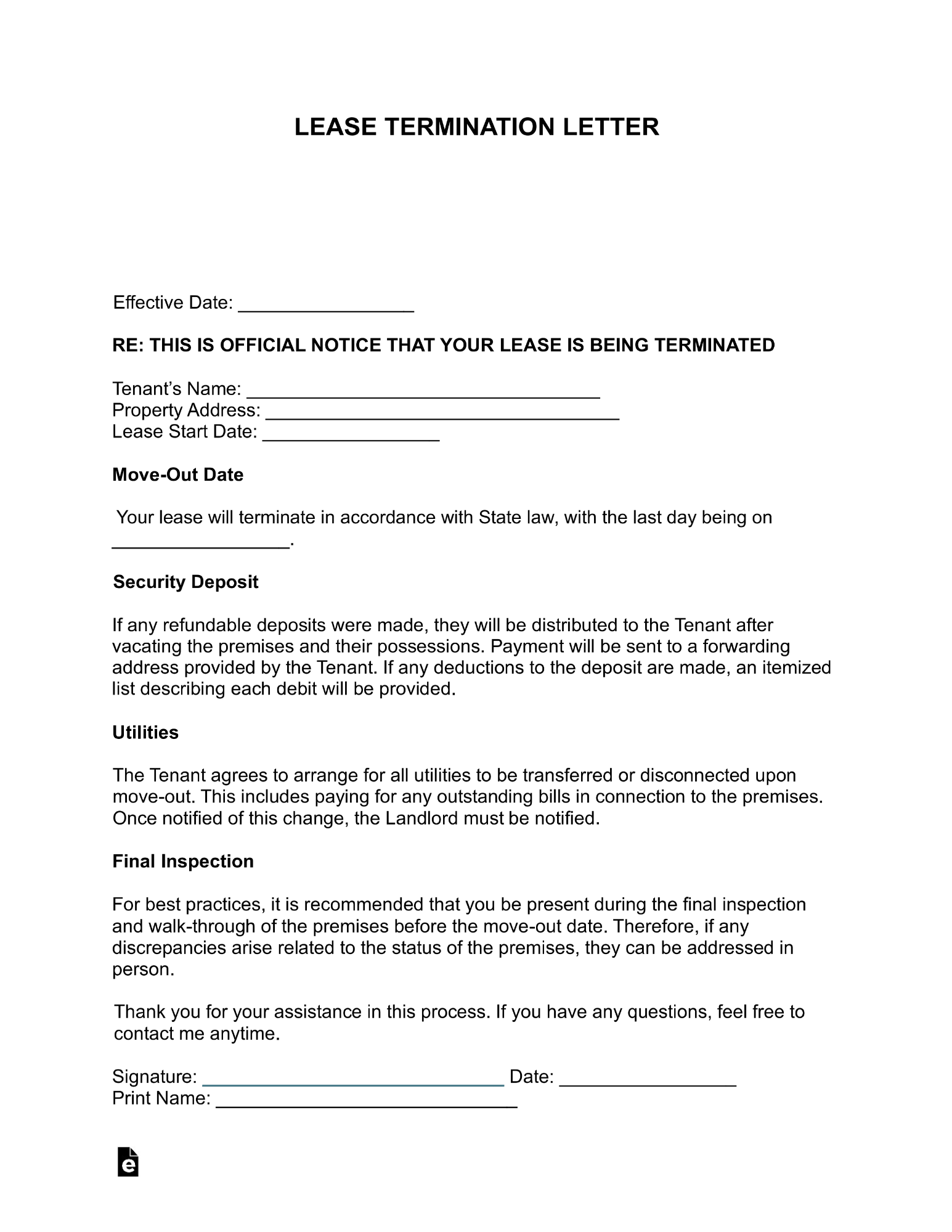
Lease Termination Letter | 30-Day Notice to Vacate
Full Conversation


I have a person in my house that neither me or my grandmother wanted but my father brought her in here and she has been here for about 2 years and me and my grandmother has had enough of her. She hasn't paid anything to my grandmother towards bills and her son who lives here keeps trying to defend her with “getting back on her feet,” but it's been 2 years and she has nothing to show of it. It has went from being a guest to being a problem. Is this the right way to get her out of the house?

My grandmother is not in the best shape to move, and with how her legs are it would be very hard for her to even do any courthouse moves. At that point would it be recommended to do a lawyer to help with it if it gets to the eviction portion? Or can someone who's close and is able to go to the courthouse on her behalf get the paperwork started?

Just want to make sure I take all the right steps.

Lexi

Lexi, Chatbot

I understand how frustrating it must be to have someone in your home who is not contributing and causing tension. Have you or your grandmother had any discussions with this person about her staying in the house?

Yes, we've had discussions with her and she refuses to pay and feels cleaning is “enough.”

Lexi

Lexi, Chatbot

Is there a written agreement or any documentation regarding her living situation, such as a lease or verbal agreement?

No, she was just brought in to live, a “guest.”

Angelo M

Angelo M

Greetings! I hope this message finds you well. I'm thrilled to have the opportunity to assist you with your situation and provide you with the support you need. Thank you for your patience, and I look forward to working with you.

I understand your concern about your grandmother's ability to handle the courthouse matters. Could you let me know which state you are located in?

Fayetteville, North Carolina.

Angelo M

Angelo M

In a situation like this, the law generally looks at how long the person has been living there and whether they were ever given permission to stay. After two years of living there with your father’s consent, this person may now be considered a “tenant at will” or even a month-to-month tenant, depending on your state’s landlord-tenant laws — even if she has never paid rent. (NC Gen Stat § 42-4)

That’s important because it means you can’t simply make her leave without going through the proper legal steps. Usually, that begins with serving her a written notice to vacate, giving her a set amount of time (often 30 days, sometimes 60) to move out. If she refuses to go after that, the next step would be filing a formal eviction case (sometimes called “unlawful detainer”) in court.

Since your grandmother owns the house, she would be the proper person to issue the notice to vacate and later file for eviction, not you or your father. It’s critical to avoid self-help measures like changing locks or shutting off utilities, since those can get your grandmother into legal trouble.

If this woman has been there without paying anything, and the understanding was that she was staying temporarily, that strengthens your grandmother’s position. Still, the two years of occupancy could make her entitled to formal notice and due process before removal. (NC Gen Stat § 42-14)

My suggestion is to:

  1. Have your grandmother deliver a written 30-day notice to vacate, dated and signed, making clear that her permission for the woman to live there is revoked. It should be personally handed to her or taped to her bedroom door and mailed as well, just to cover all bases.
  2. If she doesn’t move out after the notice period, then your grandmother would need to file an eviction case at the local courthouse.

In North Carolina, the eviction process can be a bit complex, especially if your grandmother is unable to handle it herself. The person whose name is on the title or ownership record of the property is considered the proper “landlord” for eviction purposes, not necessarily the person listed on the mortgage. Being on the mortgage alone doesn’t automatically give you standing to appear in court on her behalf, but it does show you have a clear financial and legal connection to the property.

If your grandmother can still sign documents, that’s ideal. You can absolutely prepare all the paperwork for her:

  • Draft the 30-day notice
  • Fill out the summary ejectment complaint
  • Handle all courthouse filings
  • For the court appearance itself, most magistrates in North Carolina prefer the actual owner or landlord to be present. However, if your grandmother truly can’t appear due to medical limitations, the magistrate will often accept a notarized letter from her authorizing you to appear for her as her representative.

If the clerk or magistrate gives any pushback, you can explain that your grandmother is physically unable to attend due to health issues and that you’re managing the process with her consent. If needed, a local attorney could appear in her place. Many attorneys in Fayetteville handle these cases for a modest flat fee.

Angelo M

Angelo M

I hope I was able to help you and answer all of your questions and concerns. Is there any part of my response that you need clarification on or any further information? Did you have any other questions on this subject for me today?

I can do the paperwork and court visits. I just wanted to make sure I am able to do it in her stead. She can still sign the documents and all — it's just hard for her to go to court if that comes into play. I don't mind going into court to get the eviction papers.

If it helps, my name is on the mortgage as a person that can talk on her behalf.

Angelo M

Angelo M

That’s excellent information, and it actually helps your situation quite a bit.

Alright so for what I need to make this all possible:

  • Type up a revoke living statement that has been signed and place it on her living area and give her 30 days
  • Once she refuses, head to the courthouse with a notarization for me to be her stand-in to gather the proper paperwork for her to sign for an eviction notice
  • If any pushback happens even with the notarization, look into a lawyer that could do this without breaking the bank too much

Does that just about cover it?

Angelo M

Angelo M

Yes — you’ve got it almost perfectly right. That’s an excellent and well-organized understanding of the steps you’ll need to take.

To fine-tune it just a bit: prepare a clear written revocation of permission to reside, signed and dated by your grandmother, and give 30 days’ notice. Post one copy where the person lives and mail another copy, keeping records.

If she does not leave, you can file the summary ejectment paperwork at the courthouse with a notarized authorization from your grandmother. She will still need to sign the eviction documents as the property owner.

If the court requires the landlord to appear, you can request a continuance or retain a local attorney. Your plan is sound and should hold up legally.

Good night!

Thank you so much for this. This has been a headache for a while, and we knew it was tricky because we had a problem removing others last time from our home. My dad thought this was a good idea, but it’s only added stress to the house.

I’ll start with the revoke letter and move from there. Thank you — I finally feel confident and don’t feel like we just have to deal with it.

Angelo M

Angelo M

You’re very welcome, and I’m truly glad this helped ease your mind. These situations can be emotionally exhausting, especially when family dynamics are involved. Now that you understand the legal steps, you don’t have to feel stuck anymore. Stay calm, document everything, give proper notice, and let the process work through the proper channels.

Thank you for trusting me with your questions. It was my pleasure to assist you.

Angelo M

Angelo M

14,444 satisfied customers

Angelo M
Welcome! Have a similar question?

12 lawyers online now

0:00

By messaging AskALawyer, you agree to our Terms and Privacy Policy.

Disclaimer


By messaging AskaLawyer.com, you agree to our Terms and have read our Privacy Policy.

The information provided on AskaLawyer.com is for general informational purposes only and does not constitute legal advice. While we strive to ensure the accuracy and timeliness of the information presented, we make no guarantees regarding its completeness or applicability to your specific circumstances.

Use of this website does not create an attorney-client relationship between you and AskaLawyer.com or any of its attorneys. Communications through this website, including any responses from attorneys, are not privileged or confidential. For advice tailored to your individual situation, we recommend consulting a licensed attorney in your jurisdiction.

AskaLawyer.com disclaims any liability for actions taken or not taken based on the content of this site. We are not responsible for any third-party content that may be accessed through this website. Reliance on any information provided herein is solely at your own risk.

Ask a Lawyer Logo
Ask a Lawyer Logo
Intake Questions
Step  of 3
Loading...

Lexi, Chatbot

How would you like your legal question to be answered?

Online

Legal AI

Using ChatGPT 4o

Loading...

How do you like to pay?

By proceeding with payment, you agree to our Terms and Privacy Policy. You authorize us to charge $ today and $ thereafter until canceled. You may cancel anytime in the My Account section to stop future charges.

Total Due:

After purchasing, your chat will begin with an attorney.

By proceeding with payment, you agree to our Terms and Privacy Policy. You authorize us to charge $ today and $ thereafter until canceled. You may cancel anytime in the My Account section to stop future charges.

Total Due:

After purchasing, your chat will begin with an attorney.

After connecting, your chat will begin with an attorney.

After choosing, your chat will continue with Legal AI.

It looks like you already have an account with Ask a Lawyer.

We have sent you a magic link to . Click the link in your email to sign in and continue your chat.

spin

Step of 6 •

You'll receive an email at as soon as the lawyer joins the conversation 🙏🏻😊

Over 90% of lawyers connect within 5 minutes. If you're not online at that moment, don't worry — the lawyer will reply to your message while you're away.

You're also welcome to stay in the chat while waiting to be connected 💬✨

Waiting for lawyer

0:00