How does a quitclaim deed work when transferring property from a parent to a child as part of an estate plan?

Clay G., Esq.
Clay G., Esq.

5,260 satisfied customers

View context
Solved

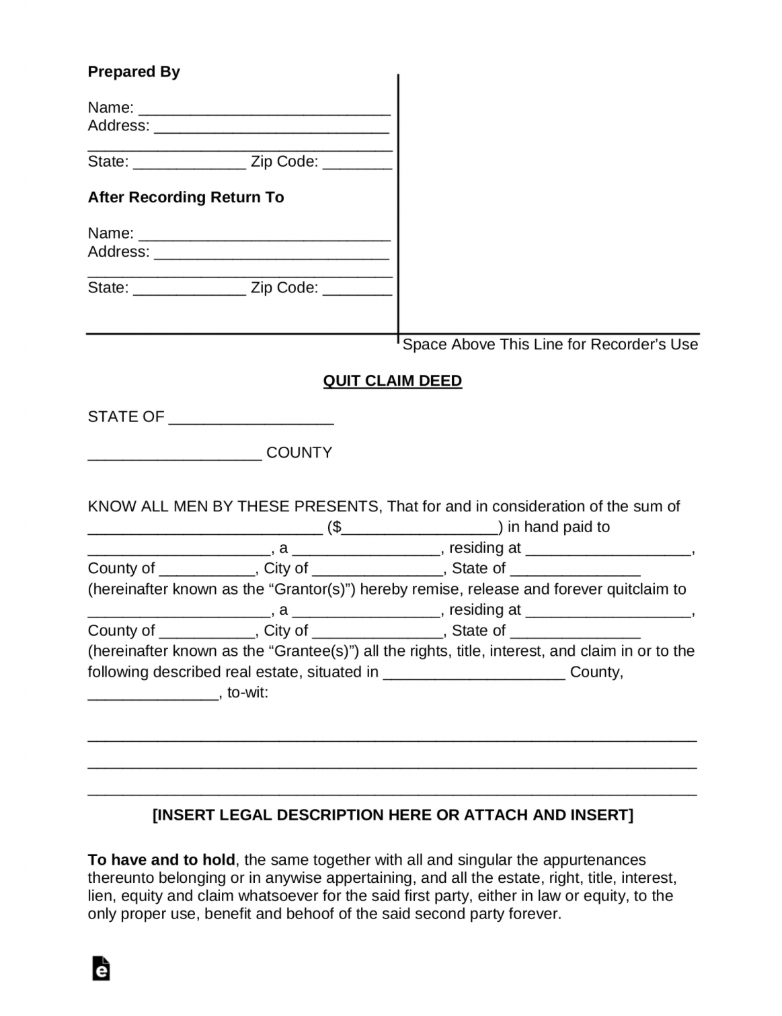
A quitclaim deed is one of the most straightforward ways to transfer property, but it functions quite differently from a traditional home sale. When a parent uses a quitclaim deed to transfer property to a child, they are essentially saying, "I am giving you whatever interest I currently have in this property, but I am not making any promises about the status of the title."

Unlike a warranty deed, which guarantees that the seller owns the property free and clear of liens or outside claims, a quitclaim deed offers no such protection. It simply moves the parent’s legal interest to the child. This makes it a popular tool for "low-stakes" transfers between family members where there is a high level of trust and no money is changing hands.

To complete the process, the parent must sign the deed in the presence of a notary public. Once signed, the deed must be recorded with the local county recorder’s office or registrar of deeds. Recording the document is a critical step because it puts the public on notice that the child is the new legal owner. Failing to record the deed can lead to significant legal headaches regarding taxes or future sales.

While the process is legally simple, the consequences can be complex. Because this is usually a gift rather than a sale, it can trigger federal gift tax reporting requirements if the property's value exceeds certain thresholds. (26 U.S.C. § 2501)

Additionally, transferring property this way can impact the child's tax basis. If the child sells the property later, they may owe more in capital gains taxes than if they had inherited the home through a will or trust. (26 U.S.C. § 1015)

Please let me know if you have any follow-up questions about this.

0

Quit Claim Deed

Full Conversation


How does a quit claim deed work?

Lexi

Lexi, Chatbot

I understand that you're looking for clarity on how a quit claim deed works, which can be quite important in real estate matters. Can you tell me what specific situation you are dealing with regarding the quit claim deed?

Estate transfer from parent to child.

Lexi

Lexi, Chatbot

Are you currently involved in a property transfer or dispute that involves a quit claim deed?

No.

Clay G., Esq.

Clay G., Esq.

Hello! I am Clay, an attorney with several years’ experience, and I will be assisting you with your question today. Just a note—our conversation is for general legal information only and does not establish an attorney-client relationship. I understand you'd like to know how a quitclaim deed works. Is that correct?

Since I haven't heard back from you in a while, I will go ahead and answer your question based on the limited information you have provided.

Clay G., Esq.

Clay G., Esq.

A quitclaim deed is one of the most straightforward ways to transfer property, but it functions quite differently from a traditional home sale. When a parent uses a quitclaim deed to transfer property to a child, they are essentially saying, "I am giving you whatever interest I currently have in this property, but I am not making any promises about the status of the title."

Unlike a warranty deed, which guarantees that the seller owns the property free and clear of liens or outside claims, a quitclaim deed offers no such protection. It simply moves the parent’s legal interest to the child. This makes it a popular tool for "low-stakes" transfers between family members where there is a high level of trust and no money is changing hands.

To complete the process, the parent must sign the deed in the presence of a notary public. Once signed, the deed must be recorded with the local county recorder’s office or registrar of deeds. Recording the document is a critical step because it puts the public on notice that the child is the new legal owner. Failing to record the deed can lead to significant legal headaches regarding taxes or future sales.

While the process is legally simple, the consequences can be complex. Because this is usually a gift rather than a sale, it can trigger federal gift tax reporting requirements if the property's value exceeds certain thresholds. (26 U.S.C. § 2501)

Additionally, transferring property this way can impact the child's tax basis. If the child sells the property later, they may owe more in capital gains taxes than if they had inherited the home through a will or trust. (26 U.S.C. § 1015)

Please let me know if you have any follow-up questions about this.

Clay G., Esq.

Clay G., Esq.

5,260 satisfied customers

Clay G., Esq.
Welcome! Have a similar question?

12 lawyers online now

0:00

By messaging AskALawyer, you agree to our Terms and Privacy Policy.

Disclaimer


By messaging AskaLawyer.com, you agree to our Terms and have read our Privacy Policy.

The information provided on AskaLawyer.com is for general informational purposes only and does not constitute legal advice. While we strive to ensure the accuracy and timeliness of the information presented, we make no guarantees regarding its completeness or applicability to your specific circumstances.

Use of this website does not create an attorney-client relationship between you and AskaLawyer.com or any of its attorneys. Communications through this website, including any responses from attorneys, are not privileged or confidential. For advice tailored to your individual situation, we recommend consulting a licensed attorney in your jurisdiction.

AskaLawyer.com disclaims any liability for actions taken or not taken based on the content of this site. We are not responsible for any third-party content that may be accessed through this website. Reliance on any information provided herein is solely at your own risk.

Ask a Lawyer Logo
Ask a Lawyer Logo
Intake Questions
Step  of 3
Loading...

Lexi, Chatbot

How would you like your legal question to be answered?

Online

Legal AI

Using ChatGPT 4o

Loading...

How do you like to pay?

By proceeding with payment, you agree to our Terms and Privacy Policy. You authorize us to charge $ today and $ thereafter until canceled. You may cancel anytime in the My Account section to stop future charges.

Total Due:

After purchasing, your chat will begin with an attorney.

By proceeding with payment, you agree to our Terms and Privacy Policy. You authorize us to charge $ today and $ thereafter until canceled. You may cancel anytime in the My Account section to stop future charges.

Total Due:

After purchasing, your chat will begin with an attorney.

After connecting, your chat will begin with an attorney.

After choosing, your chat will continue with Legal AI.

It looks like you already have an account with Ask a Lawyer.

We have sent you a magic link to . Click the link in your email to sign in and continue your chat.

spin

Step of 6 •

You'll receive an email at as soon as the lawyer joins the conversation 🙏🏻😊

Over 90% of lawyers connect within 5 minutes. If you're not online at that moment, don't worry — the lawyer will reply to your message while you're away.

You're also welcome to stay in the chat while waiting to be connected 💬✨

Waiting for lawyer

0:00