How can an existing living trust be changed into a special needs trust?

Liz
Liz

45,212 satisfied customers

View context
Solved

To modify an existing living trust into a special needs trust, you will need to follow a few important steps. Here is a detailed guide to help you through the process:

  1. Consult with an Attorney.  It is crucial to work with an attorney who specializes in estate planning and special needs trusts. They can provide personalized advice and ensure that the trust complies with legal requirements. This step is important because special needs trusts have specific rules to protect the beneficiary’s eligibility for government benefits. (42 U.S.C. § 1396p)
  2. Review the Current Trust Document. Together with your attorney, review the existing living trust document to understand its terms and provisions. This will help identify what changes need to be made to convert it into a special needs trust.
  3. Draft the Amendment or Restatement. Your attorney will draft an amendment or a complete restatement of the trust. This document will include provisions specific to a special needs trust, such as restrictions on how the funds can be used to ensure the beneficiary remains eligible for government assistance. (42 U.S.C. § 1382b)
  4. Consider the Type of Special Needs Trust. There are different types of special needs trusts, such as first-party and third-party trusts. Your attorney will help determine which type is appropriate based on the source of the funds and the beneficiary’s needs. (42 U.S.C. § 1396p)
  5. Execute the New Trust Document. Once the new trust document is prepared, it must be signed and notarized according to state laws. This step formalizes the changes and makes the new provisions legally binding.
  6. Fund the Trust. If necessary, transfer assets into the newly modified trust. This may involve retitling assets or updating beneficiary designations to ensure they align with the new trust structure.
  7. Notify Relevant Parties. Inform any relevant parties, such as financial institutions or trustees, about the changes to the trust. This ensures that everyone involved is aware of the new terms and can act accordingly.

Please let me know if you have further questions or need clarification on any of these steps.

0

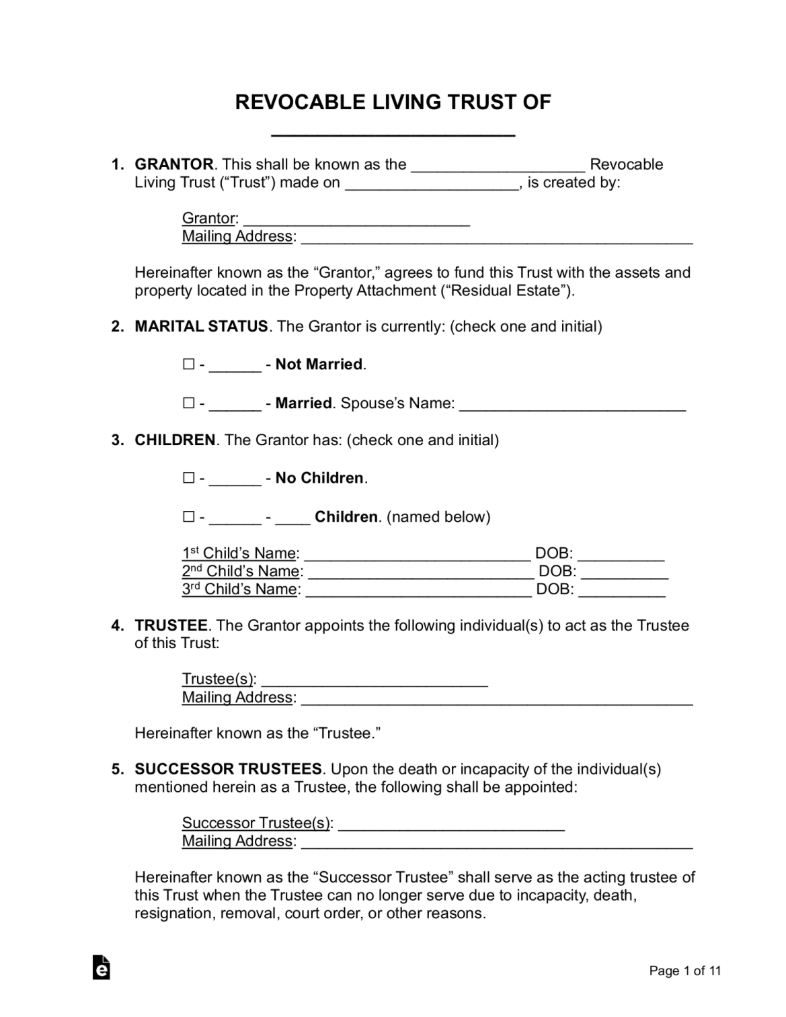
Revocable Living Trust Form

Full Conversation


How can an existing living trust be modified to be a special needs trust?

Lexi

Lexi, Chatbot

I understand that modifying a living trust to a special needs trust can be a complex process. Have you already consulted with an attorney about this modification?

I don’t know.

Lexi

Lexi, Chatbot

What specific changes or provisions are you looking to include in the special needs trust?

I don’t know.

Lexi

Lexi, Chatbot

Is there anything else the estate lawyer should know before I connect you? Rest assured, they will be able to help with your trust modification.

No.

Liz

Liz

Hi there! Welcome to our service. My name is Liz and I've been an attorney for more than a decade, and I am here to assist with your legal concerns. Just so you are aware, our service is a legal information-only site. No attorney-client relationship is formed from our conversation. So I can best help, what kind of assets are in the trust?

Liz

Liz

To modify an existing living trust into a special needs trust, you will need to follow a few important steps. Here is a detailed guide to help you through the process:

  1. Consult with an Attorney.  It is crucial to work with an attorney who specializes in estate planning and special needs trusts. They can provide personalized advice and ensure that the trust complies with legal requirements. This step is important because special needs trusts have specific rules to protect the beneficiary’s eligibility for government benefits. (42 U.S.C. § 1396p)
  2. Review the Current Trust Document. Together with your attorney, review the existing living trust document to understand its terms and provisions. This will help identify what changes need to be made to convert it into a special needs trust.
  3. Draft the Amendment or Restatement. Your attorney will draft an amendment or a complete restatement of the trust. This document will include provisions specific to a special needs trust, such as restrictions on how the funds can be used to ensure the beneficiary remains eligible for government assistance. (42 U.S.C. § 1382b)
  4. Consider the Type of Special Needs Trust. There are different types of special needs trusts, such as first-party and third-party trusts. Your attorney will help determine which type is appropriate based on the source of the funds and the beneficiary’s needs. (42 U.S.C. § 1396p)
  5. Execute the New Trust Document. Once the new trust document is prepared, it must be signed and notarized according to state laws. This step formalizes the changes and makes the new provisions legally binding.
  6. Fund the Trust. If necessary, transfer assets into the newly modified trust. This may involve retitling assets or updating beneficiary designations to ensure they align with the new trust structure.
  7. Notify Relevant Parties. Inform any relevant parties, such as financial institutions or trustees, about the changes to the trust. This ensures that everyone involved is aware of the new terms and can act accordingly.

Please let me know if you have further questions or need clarification on any of these steps.

Liz

Liz

45,212 satisfied customers

Liz
Welcome! Have a similar question?

12 lawyers online now

0:00

By messaging AskALawyer, you agree to our Terms and Privacy Policy.

Disclaimer


By messaging AskaLawyer.com, you agree to our Terms and have read our Privacy Policy.

The information provided on AskaLawyer.com is for general informational purposes only and does not constitute legal advice. While we strive to ensure the accuracy and timeliness of the information presented, we make no guarantees regarding its completeness or applicability to your specific circumstances.

Use of this website does not create an attorney-client relationship between you and AskaLawyer.com or any of its attorneys. Communications through this website, including any responses from attorneys, are not privileged or confidential. For advice tailored to your individual situation, we recommend consulting a licensed attorney in your jurisdiction.

AskaLawyer.com disclaims any liability for actions taken or not taken based on the content of this site. We are not responsible for any third-party content that may be accessed through this website. Reliance on any information provided herein is solely at your own risk.

Ask a Lawyer Logo
Ask a Lawyer Logo
Intake Questions
Step  of 3
Loading...

What's your legal question?

Lexi, Chatbot

How would you like your legal question to be answered?

Online

Legal AI

Using ChatGPT 4o

Loading...

How do you like to pay?

By proceeding with payment, you agree to our Terms and Privacy Policy. You authorize us to charge $ today and $ thereafter until canceled. You may cancel anytime in the My Account section to stop future charges.

Total Due:

After purchasing, your chat will begin with an attorney.

By proceeding with payment, you agree to our Terms and Privacy Policy. You authorize us to charge $ today and $ thereafter until canceled. You may cancel anytime in the My Account section to stop future charges.

Total Due:

After purchasing, your chat will begin with an attorney.

After connecting, your chat will begin with an attorney. After choosing, your chat will continue with Legal AI.

It looks like you already have an account with Ask a Lawyer.

We have sent you a magic link to . Click the link in your email to sign in and continue your chat.

spin

Step of 6 •

You'll receive an email at as soon as the lawyer joins the conversation 🙏🏻😊

Over 90% of lawyers connect within 5 minutes. If you're not online at that moment, don't worry — the lawyer will reply to your message while you're away.

You're also welcome to stay in the chat while waiting to be connected 💬✨

Waiting for lawyer

We couldn't send your message. Please try again.

Your lawyer will reply as soon as possible

If there’s a delay, please don’t worry. Your chat will stay open, and they’ll get back to you as soon as they can. There’s no rush on your end either. You’ll receive an email notification as soon as there’s a new message.

You've reached your AI chat limit

Upgrade your plan to continue chatting and get instant domain-specific answers.

0:00