TJ, Esq.
Since you're in Florida, there are definitely specific things to consider. A "gift of equity" is a legitimate way to transfer property, especially within families, and it means your father would sell you the house for less than its appraised market value. The difference between the appraised value and the sale price is essentially the gift. This can be a great way to handle the down payment, which is a major hurdle for you given your credit.
However, even with a gift of equity, you'll likely still need a mortgage for the remaining portion of the purchase price. The mortgage brokers weren't able to help because of your credit, which means a standard loan might not be an option right now. This is where an attorney's guidance becomes really important because they can look at alternative financing methods or creative structuring of the deal that doesn't rely solely on a traditional mortgage.
One thing that needs a close look is the tax implications for both you and your father. While Florida doesn't have a state gift tax, there are federal gift tax rules. (26 USC § 2503 (2023)) Your father has an annual exclusion amount (currently $19,000 per recipient for 2025) that he can gift without needing to file a gift tax return. If the gift of equity exceeds that annual exclusion, he'll need to file a gift tax return (IRS Form 709), although he probably won't owe any actual gift tax unless he's already used up his lifetime gift and estate tax exemption (which is quite high, over $13 million for 2025).
For you, the recipient, a gift of equity generally isn't considered taxable income at the time of the transfer, but it could affect your cost basis in the property, which matters if you ever sell it in the future for a gain.
Another key Florida-specific point is homestead protection. If this house is your father's homestead, there are specific rules about how it can be transferred, especially if he has a spouse or minor children. Also, the homestead exemption provides significant property tax benefits and creditor protection in Florida. Transferring ownership could affect these benefits, so it's important to understand how that plays out for both of you. You'd want to ensure that once you own it, you can apply for your own homestead exemption if you're going to live there as your primary residence.
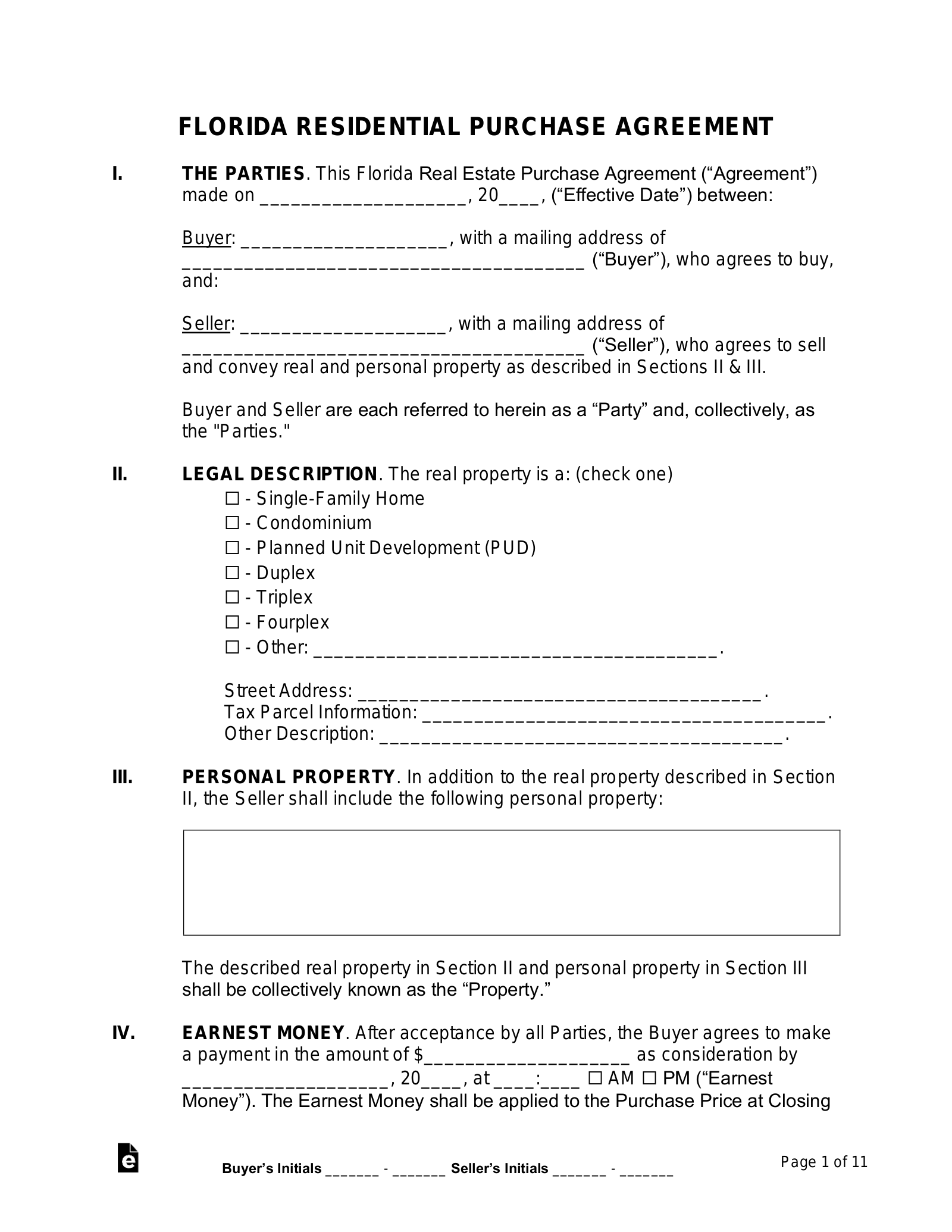
A lawyer who specializes in real estate and possibly estate planning in Florida would be able to walk you through all these details. They'd review your father's current ownership, any existing mortgages, and help you structure a purchase agreement that clearly outlines the gift of equity. They can also coordinate with a CPA or other financial advisors to ensure all tax implications are handled correctly for both parties. Their role would be to make sure the entire process complies with Florida law and federal tax regulations, protecting both your interests.
Here's how I think you should proceed: you should immediately consult with a Florida real estate attorney who has experience with intra-family property transfers and gift of equity transactions. They can help you understand the specific legal and financial steps involved, draft the necessary documents (like a gift letter and purchase agreement), and advise on how to approach your father with a clear, professional plan. This strategy will provide you with solid information, help you manage any potential disagreements by having a clear legal framework, and ensure that the transfer is done correctly to avoid future problems.
Did I completely answer your question, or do you need clarification on anything I've discussed? Please feel free to ask any follow-up questions you might have!