When an insurance company asks for “proof of exemption” before allowing you to surrender a policy, it is usually because of anti-money-laundering and tax transparency rules that financial institutions must follow. Many insurers are classified as reporting financial institutions, meaning they must document certain transactions and verify whether any reporting obligations apply. These requirements often come from international frameworks such as the Foreign Account Tax Compliance Act and the Common Reporting Standard, along with similar national laws designed to prevent tax evasion and money laundering.
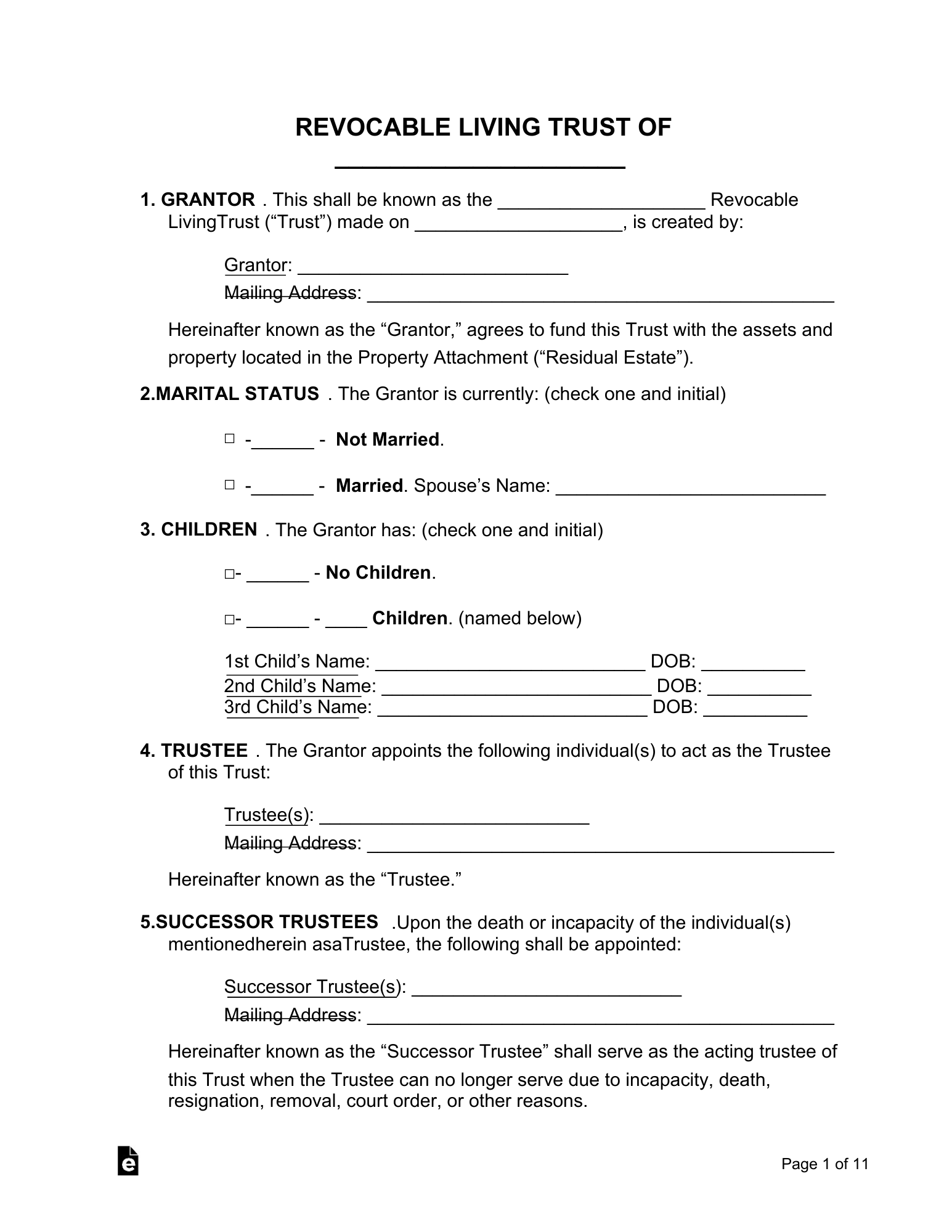
Because of these rules, insurers sometimes need to determine whether a policy is connected to a trust. Even if the policy is in your personal name, certain arrangements—such as a policy that was “written in trust” or one where the beneficiary designation operates like a trust structure—can cause the law to treat it as a separate legal entity. When that possibility exists, the insurer must check whether the trust should be registered with a government registry.
This issue often comes up when a policy is surrendered for cash. While a life insurance policy is active and functioning purely as protection, some trust arrangements qualify for regulatory exemptions. Once the policy is converted to cash, however, those exemptions may no longer apply, so the insurer has to confirm whether the trust must be registered or whether it still qualifies for an exemption.
In many jurisdictions, certain types of arrangements are commonly exempt. Pure protection policies—such as term life policies with no investment component and no surrender value—are often treated differently because they only pay out upon death or disability. Some countries also exempt very small or “low-value” trusts, or trusts that hold nothing more than a life insurance policy until it pays out or is surrendered.
When insurers ask for “proof of exemption,” they are usually not expecting an official government certificate. Governments rarely issue certificates for things they do not track. In most cases, what they want is a self-certification confirming that the policy or any related trust arrangement falls within an exemption under the applicable law.
The practical approach is to confirm the type of policy you have and then ask the insurer whether they have a standard exemption or self-declaration form. Many companies provide a short form specifically for situations where a trust does not need to be registered. If they do not, you can normally provide a signed statement confirming that the policy is held personally and that any related trust arrangement qualifies as an excluded or non-registrable trust under the applicable AML or tax reporting rules.
If the policy is connected to a country with a formal trust register, the insurer may also want you to reference the specific legal exemption. For example, in the UK, certain excluded trusts are defined under Schedule 3A of the Money Laundering, Terrorist Financing and Transfer of Funds (Information on the Payer) Regulations 2017. The exact wording the insurer expects usually depends on the country linked to the policy, but in most cases, a clear written declaration referencing the relevant exemption is enough to satisfy the request.