
[ME] How likely am I to win an adverse possession claim after my family used the property for over 40 years?

Jon
Jon

556 satisfied customers

View context
Solved

In Maine, winning an adverse possession case is generally tough because the state sets a high legal bar. Even though your family has used the land for 40 years, which exceeds the 20-year requirement under Maine law (14 ME Rev Stat § 801), success depends heavily on how the land was used and whether that use counts as legally “hostile.”

Since the current owner has filed a quiet title claim, the dispute is now a formal legal battle, and the clock on adverse possession effectively stops.

The first major challenge is proving hostility. In Maine, “hostile” doesn’t mean unfriendly—it means using the land as if you owned it, without permission.

Maine courts often assume that unposted, undeveloped land is used with the owner’s consent. So, if the owner can argue that your family’s use was simply tolerated, your claim could fail. Recreational use like walking, hunting, or occasional wood cutting is less likely to count than building structures, fencing, or farming.

Physical evidence also matters. Courts look for “open and notorious” use—clear actions that would put a reasonable owner on notice. Strong evidence includes building a cabin, installing a driveway, or maintaining a fence.

Weaker evidence, like children playing, clearing brush occasionally, or a seasonal garden, may not be enough, as seen in Weeks v. Krysa.

Your family can likely use “tacking,” which allows combining years of use by successive family members to meet the 20-year requirement, as long as there weren’t significant gaps.

However, property taxes can be another hurdle. For uncultivated land in unincorporated areas, Maine law often requires the adverse possessor to have paid taxes for the statutory period. If the record owner has been paying, it weakens the case. (14 ME Rev Stat § 816)

Looking at these factors, your chances vary:

  • If your family built a house or structure and paid taxes, the chance of success is high.
  • If you fenced and farmed the land, the chance is moderate.
  • If the use was mostly recreational and the owner paid taxes, the chance is low.
  • If the owner gave verbal permission, the claim is very unlikely to succeed, since permission prevents adverse possession from applying.

0

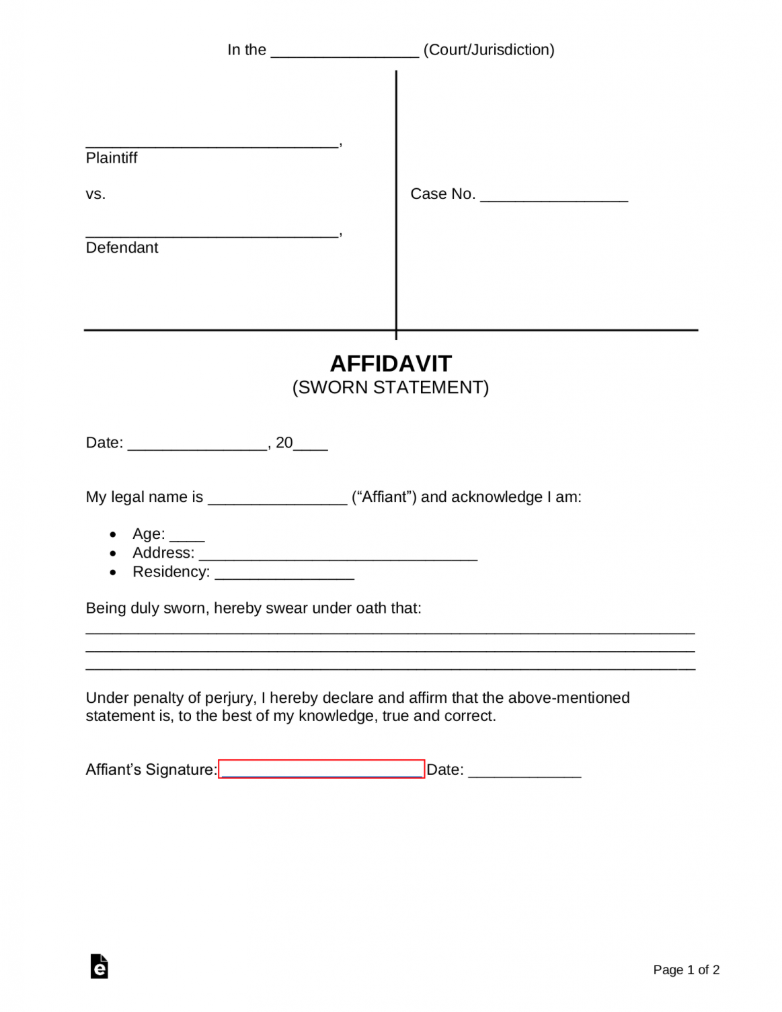
Court Affidavit Form (Sworn Statement)
Full Conversation


What are the chances of winning an adverse possession claim in Maine? The property has been used by the same family for over 40 years.

Lexi

Lexi, Chatbot

I understand that you're concerned about the chances of winning an adverse possession claim; that can be quite stressful. Can you tell me if the property in question has been openly and continuously used by your family for those 40 years?

Yes.

Lexi

Lexi, Chatbot

Have there been any disputes or challenges from the actual property owner during this time?

The current owner has filed a quiet title claim this year.

Lexi

Lexi, Chatbot

Is there anything else the lawyer should know before I connect you? Rest assured they'll be able to help with your adverse possession claim.

No.

Jon

Jon

Hello, and thank you for reaching out! I’m Jon, a licensed attorney with over 13 years of experience, here to help.

I understand legal matters can feel overwhelming, but you’re in good hands. My goal is to explain things clearly and guide you toward the best possible solution for your situation.

Just a quick note: our conversation is for general legal information only and does not create an attorney-client relationship.

Jon

Jon

In Maine, winning an adverse possession case is generally tough because the state sets a high legal bar. Even though your family has used the land for 40 years, which exceeds the 20-year requirement under Maine law (14 ME Rev Stat § 801), success depends heavily on how the land was used and whether that use counts as legally “hostile.”

Since the current owner has filed a quiet title claim, the dispute is now a formal legal battle, and the clock on adverse possession effectively stops.

The first major challenge is proving hostility. In Maine, “hostile” doesn’t mean unfriendly—it means using the land as if you owned it, without permission.

Maine courts often assume that unposted, undeveloped land is used with the owner’s consent. So, if the owner can argue that your family’s use was simply tolerated, your claim could fail. Recreational use like walking, hunting, or occasional wood cutting is less likely to count than building structures, fencing, or farming.

Physical evidence also matters. Courts look for “open and notorious” use—clear actions that would put a reasonable owner on notice. Strong evidence includes building a cabin, installing a driveway, or maintaining a fence.

Weaker evidence, like children playing, clearing brush occasionally, or a seasonal garden, may not be enough, as seen in Weeks v. Krysa.

Your family can likely use “tacking,” which allows combining years of use by successive family members to meet the 20-year requirement, as long as there weren’t significant gaps.

However, property taxes can be another hurdle. For uncultivated land in unincorporated areas, Maine law often requires the adverse possessor to have paid taxes for the statutory period. If the record owner has been paying, it weakens the case. (14 ME Rev Stat § 816)

Looking at these factors, your chances vary:

  • If your family built a house or structure and paid taxes, the chance of success is high.
  • If you fenced and farmed the land, the chance is moderate.
  • If the use was mostly recreational and the owner paid taxes, the chance is low.
  • If the owner gave verbal permission, the claim is very unlikely to succeed, since permission prevents adverse possession from applying.
Jon

Jon

556 satisfied customers

Jon
Welcome! Have a similar question?

12 lawyers online now

0:00

By messaging AskALawyer, you agree to our Terms and Privacy Policy.

Disclaimer


By messaging AskaLawyer.com, you agree to our Terms and have read our Privacy Policy.

The information provided on AskaLawyer.com is for general informational purposes only and does not constitute legal advice. While we strive to ensure the accuracy and timeliness of the information presented, we make no guarantees regarding its completeness or applicability to your specific circumstances.

Use of this website does not create an attorney-client relationship between you and AskaLawyer.com or any of its attorneys. Communications through this website, including any responses from attorneys, are not privileged or confidential. For advice tailored to your individual situation, we recommend consulting a licensed attorney in your jurisdiction.

AskaLawyer.com disclaims any liability for actions taken or not taken based on the content of this site. We are not responsible for any third-party content that may be accessed through this website. Reliance on any information provided herein is solely at your own risk.

Ask a Lawyer Logo
Ask a Lawyer Logo
Intake Questions
Step  of 3
Loading...

What's your legal question?

Lexi, Chatbot

How would you like your legal question to be answered?

Online

Legal AI

Using ChatGPT 4o

Loading...

How do you like to pay?

By proceeding with payment, you agree to our Terms and Privacy Policy. You authorize us to charge $ today and $ thereafter until canceled. You may cancel anytime in the My Account section to stop future charges.

Total Due:

After purchasing, your chat will begin with an attorney.

By proceeding with payment, you agree to our Terms and Privacy Policy. You authorize us to charge $ today and $ thereafter until canceled. You may cancel anytime in the My Account section to stop future charges.

Total Due:

After purchasing, your chat will begin with an attorney.

After connecting, your chat will begin with an attorney. After choosing, your chat will continue with Legal AI.

It looks like you already have an account with Ask a Lawyer.

We have sent you a magic link to . Click the link in your email to sign in and continue your chat.

spin

Step of 6 •

You'll receive an email at as soon as the lawyer joins the conversation 🙏🏻😊

Over 90% of lawyers connect within 5 minutes. If you're not online at that moment, don't worry — the lawyer will reply to your message while you're away.

You're also welcome to stay in the chat while waiting to be connected 💬✨

Waiting for lawyer

We couldn't send your message. Please try again.

Your lawyer will reply as soon as possible

If there’s a delay, please don’t worry. Your chat will stay open, and they’ll get back to you as soon as they can. There’s no rush on your end either. You’ll receive an email notification as soon as there’s a new message.

You've reached your AI chat limit

Upgrade your plan to continue chatting and get instant domain-specific answers.

0:00