When does a community college’s failure to respond to student complaints become a legal issue or policy violation?

Angelo M
Angelo M

16,167 satisfied customers

View context
Solved

When a community college ignores complaints, the situation becomes a legal issue not simply because of the passage of time, but because of the type of complaint, the college's legal obligations to respond, and whether the failure to act results in harm or violates specific laws or policies.

In many situations, a school's failure to respond can become legally significant once they have received notice of the issue and fail to take reasonable steps to investigate or address it.

First, most public community colleges (which are typically state institutions) have formal grievance procedures that require complaints to be acknowledged and investigated within a certain timeframe. Those timelines are often written in student handbooks or policy manuals and commonly range from 10–30 days for an initial response. If the institution ignores a complaint beyond the timeframe required by its own policies, that can begin to create a potential procedural due process or administrative compliance issue, particularly if the school is a public institution.

Second, the nature of the complaint matters. If the complaint involves issues such as discrimination, harassment, disability accommodation (ADA), Title IX sexual misconduct, retaliation, or civil rights violations, federal law requires the institution to take prompt and appropriate action once they are put on notice. In those situations, liability can arise fairly quickly after the school has actual knowledge and fails to respond reasonably. For example, under Title IX or Title VI standards, schools can become legally responsible if they show "deliberate indifference" after receiving notice of misconduct.

Third, if the school's inaction causes continuing harm—such as academic consequences, safety risks, discrimination, or retaliation—then the failure to act may support administrative complaints, civil rights claims, or potential litigation. Before litigation, however, the usual next step is escalating the complaint through the college's formal grievance appeal process or filing with outside agencies such as the Department of Education's Office for Civil Rights (OCR) or the applicable state oversight body.

Since you mentioned that complaints have been ongoing for about a year and a half, the key legal questions will be:

  • What type of complaints were made (academic dispute, harassment, discrimination, etc.)?
  • Whether they were submitted through the school's formal grievance channels.
  • Whether the college acknowledged or investigated them.
  • Whether their policies required action within a specific timeframe.

If the school has repeatedly ignored properly submitted complaints during that period, that can certainly reach the level where legal remedies or external administrative complaints become appropriate.

0

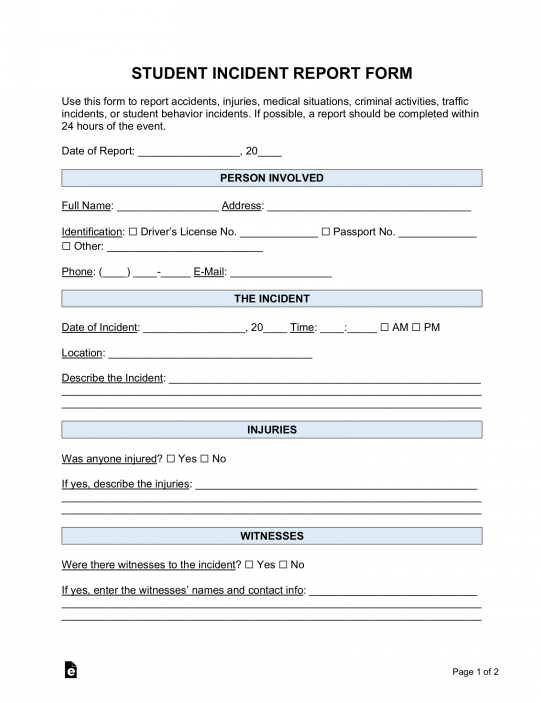
Student Incident Report Template

Full Conversation


At what point after reporting complaints to a community college and they ignore said complaints does it begin to become an issue?

Lexi

Lexi, Chatbot

I understand how frustrating it can be when your concerns are not addressed. How long has it been since you reported your complaints to the community college?

I have made various reports over the last year and a half, with the last one being on Monday.

Lexi

Lexi, Chatbot

Have you documented your communications and any responses (or lack thereof) from the college regarding your complaints?

Yes.

Lexi

Lexi, Chatbot

Is there anything else the Lawyer should know before I connect you? Rest assured they'll be able to help with your college complaints.

No.

Angelo M

Angelo M

Greetings!

I hope this message finds you well. I'm thrilled to have the opportunity to assist you with your situation and provide you with the support you need. Thank you for your patience, and I look forward to working with you.

Angelo M

Angelo M

When a community college ignores complaints, the situation becomes a legal issue not simply because of the passage of time, but because of the type of complaint, the college's legal obligations to respond, and whether the failure to act results in harm or violates specific laws or policies.

In many situations, a school's failure to respond can become legally significant once they have received notice of the issue and fail to take reasonable steps to investigate or address it.

First, most public community colleges (which are typically state institutions) have formal grievance procedures that require complaints to be acknowledged and investigated within a certain timeframe. Those timelines are often written in student handbooks or policy manuals and commonly range from 10–30 days for an initial response. If the institution ignores a complaint beyond the timeframe required by its own policies, that can begin to create a potential procedural due process or administrative compliance issue, particularly if the school is a public institution.

Second, the nature of the complaint matters. If the complaint involves issues such as discrimination, harassment, disability accommodation (ADA), Title IX sexual misconduct, retaliation, or civil rights violations, federal law requires the institution to take prompt and appropriate action once they are put on notice. In those situations, liability can arise fairly quickly after the school has actual knowledge and fails to respond reasonably. For example, under Title IX or Title VI standards, schools can become legally responsible if they show "deliberate indifference" after receiving notice of misconduct.

Third, if the school's inaction causes continuing harm—such as academic consequences, safety risks, discrimination, or retaliation—then the failure to act may support administrative complaints, civil rights claims, or potential litigation. Before litigation, however, the usual next step is escalating the complaint through the college's formal grievance appeal process or filing with outside agencies such as the Department of Education's Office for Civil Rights (OCR) or the applicable state oversight body.

Since you mentioned that complaints have been ongoing for about a year and a half, the key legal questions will be:

  • What type of complaints were made (academic dispute, harassment, discrimination, etc.)?
  • Whether they were submitted through the school's formal grievance channels.
  • Whether the college acknowledged or investigated them.
  • Whether their policies required action within a specific timeframe.

If the school has repeatedly ignored properly submitted complaints during that period, that can certainly reach the level where legal remedies or external administrative complaints become appropriate.

Angelo M

Angelo M

16,167 satisfied customers

Angelo M
Welcome! Have a similar question?

12 lawyers online now

0:00

By messaging AskALawyer, you agree to our Terms and Privacy Policy.

Disclaimer


By messaging AskaLawyer.com, you agree to our Terms and have read our Privacy Policy.

The information provided on AskaLawyer.com is for general informational purposes only and does not constitute legal advice. While we strive to ensure the accuracy and timeliness of the information presented, we make no guarantees regarding its completeness or applicability to your specific circumstances.

Use of this website does not create an attorney-client relationship between you and AskaLawyer.com or any of its attorneys. Communications through this website, including any responses from attorneys, are not privileged or confidential. For advice tailored to your individual situation, we recommend consulting a licensed attorney in your jurisdiction.

AskaLawyer.com disclaims any liability for actions taken or not taken based on the content of this site. We are not responsible for any third-party content that may be accessed through this website. Reliance on any information provided herein is solely at your own risk.

Ask a Lawyer Logo
Ask a Lawyer Logo
Intake Questions
Step  of 3
Loading...

What's your legal question?

Lexi, Chatbot

How would you like your legal question to be answered?

Online

Legal AI

Using ChatGPT 4o

Loading...

How do you like to pay?

By proceeding with payment, you agree to our Terms and Privacy Policy. You authorize us to charge $ today and $ thereafter until canceled. You may cancel anytime in the My Account section to stop future charges.

Total Due:

After purchasing, your chat will begin with an attorney.

By proceeding with payment, you agree to our Terms and Privacy Policy. You authorize us to charge $ today and $ thereafter until canceled. You may cancel anytime in the My Account section to stop future charges.

Total Due:

After purchasing, your chat will begin with an attorney.

After connecting, your chat will begin with an attorney. After choosing, your chat will continue with Legal AI.

It looks like you already have an account with Ask a Lawyer.

We have sent you a magic link to . Click the link in your email to sign in and continue your chat.

spin

Step of 6 •

You'll receive an email at as soon as the lawyer joins the conversation 🙏🏻😊

Over 90% of lawyers connect within 5 minutes. If you're not online at that moment, don't worry — the lawyer will reply to your message while you're away.

You're also welcome to stay in the chat while waiting to be connected 💬✨

Waiting for lawyer

We couldn't send your message. Please try again.

Your lawyer will reply as soon as possible

If there’s a delay, please don’t worry. Your chat will stay open, and they’ll get back to you as soon as they can. There’s no rush on your end either. You’ll receive an email notification as soon as there’s a new message.

You've reached your AI chat limit

Upgrade your plan to continue chatting and get instant domain-specific answers.

0:00