Should I represent myself at a divorce settlement conference when my spouse is also self-represented?

Angelo M
Angelo M

16,167 satisfied customers

View context
Solved

Yes, a spouse can absolutely attend and represent themselves at a settlement conference if they choose. Courts commonly see situations where both parties are self-represented, especially in family law matters.

A settlement conference is generally designed to encourage resolution without a trial, so the judge or court officer helps guide the discussion and may offer opinions about how the case might be viewed if it went to trial.

In terms of what to expect, a settlement conference is usually less formal than a trial but still conducted in a courtroom setting. The judge will review the issues in the case—often matters like property division, support, custody, or other disputes depending on the type of case. Each party may briefly explain their position.

The judge may ask questions, point out strengths or weaknesses in each side's case, and encourage compromise. Sometimes the judge will meet with both parties together, and sometimes the judge may speak to each party separately to help facilitate negotiation.

Preparation is extremely important when representing yourself. Before the conference, organize all relevant documents such as financial statements, pay stubs, tax returns, property valuations, account balances, and any written agreements or communications that support your position.

It is also helpful to prepare a short written outline of the issues, what you want the outcome to be, and what compromises you would be willing to consider. Knowing the numbers and facts ahead of time helps prevent confusion or pressure during negotiations.

To avoid being taken advantage of, it is important not to feel pressured to agree to anything on the spot if you are unsure. You are generally allowed to say you need time to review a proposal before accepting it. Stick to facts rather than emotions, listen carefully to what the judge says about the likely outcome at trial, and ask questions if something is unclear.

Remember that the purpose of the conference is to explore settlement, not to force one.

If possible, many self-represented parties still benefit from consulting a lawyer beforehand for limited-scope advice. Even a one-time review of your case or settlement proposal can help you understand your rights and the reasonable range of outcomes. This can give you confidence during negotiations and reduce the risk of agreeing to something unfair.

0

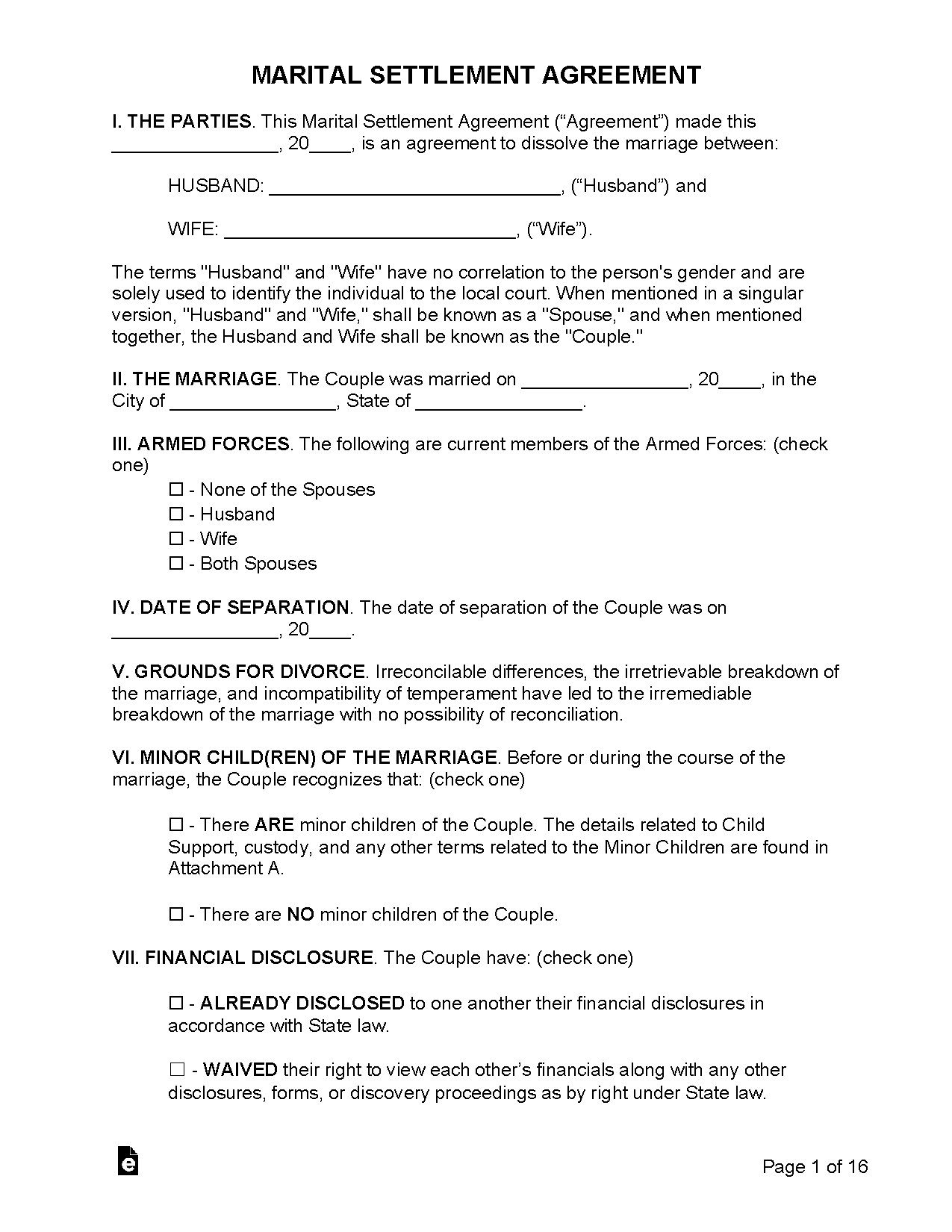
Marital Settlement (Divorce) Agreement
Full Conversation


Should a spouse go to a settlement conference to represent themselves? The other spouse is also representing themselves.

Lexi

Lexi, Chatbot

I understand that navigating a settlement conference can be challenging, especially when both spouses are self-represented. Have you already attended any previous conferences or discussions regarding your settlement?

No, this will be the first one. How should I prepare?

Lexi

Lexi, Chatbot

What specific concerns do you have about representing yourself at the conference?

What should I expect? How does it usually go? How does one not get taken advantage of?

Lexi

Lexi, Chatbot

Is there anything else the Family Lawyer should know before I connect you? Rest assured they'll be able to help with your settlement conference preparation.

No.

Angelo M

Angelo M

Greetings! I hope this message finds you well. I'm thrilled to have the opportunity to assist you with your situation and provide you with the support you need. Thank you for your patience, and I look forward to working with you.

Angelo M

Angelo M

Yes, a spouse can absolutely attend and represent themselves at a settlement conference if they choose. Courts commonly see situations where both parties are self-represented, especially in family law matters.

A settlement conference is generally designed to encourage resolution without a trial, so the judge or court officer helps guide the discussion and may offer opinions about how the case might be viewed if it went to trial.

In terms of what to expect, a settlement conference is usually less formal than a trial but still conducted in a courtroom setting. The judge will review the issues in the case—often matters like property division, support, custody, or other disputes depending on the type of case. Each party may briefly explain their position.

The judge may ask questions, point out strengths or weaknesses in each side's case, and encourage compromise. Sometimes the judge will meet with both parties together, and sometimes the judge may speak to each party separately to help facilitate negotiation.

Preparation is extremely important when representing yourself. Before the conference, organize all relevant documents such as financial statements, pay stubs, tax returns, property valuations, account balances, and any written agreements or communications that support your position.

It is also helpful to prepare a short written outline of the issues, what you want the outcome to be, and what compromises you would be willing to consider. Knowing the numbers and facts ahead of time helps prevent confusion or pressure during negotiations.

To avoid being taken advantage of, it is important not to feel pressured to agree to anything on the spot if you are unsure. You are generally allowed to say you need time to review a proposal before accepting it. Stick to facts rather than emotions, listen carefully to what the judge says about the likely outcome at trial, and ask questions if something is unclear.

Remember that the purpose of the conference is to explore settlement, not to force one.

If possible, many self-represented parties still benefit from consulting a lawyer beforehand for limited-scope advice. Even a one-time review of your case or settlement proposal can help you understand your rights and the reasonable range of outcomes. This can give you confidence during negotiations and reduce the risk of agreeing to something unfair.

Angelo M

Angelo M

16,167 satisfied customers

Angelo M
Welcome! Have a similar question?

12 lawyers online now

0:00

By messaging AskALawyer, you agree to our Terms and Privacy Policy.

Ray
Ray

Lawyer

4.73 (66,480)

How can I request alimony after failed divorce mediation?

10

3

Answered 2 weeks ago

Disclaimer


By messaging AskaLawyer.com, you agree to our Terms and have read our Privacy Policy.

The information provided on AskaLawyer.com is for general informational purposes only and does not constitute legal advice. While we strive to ensure the accuracy and timeliness of the information presented, we make no guarantees regarding its completeness or applicability to your specific circumstances.

Use of this website does not create an attorney-client relationship between you and AskaLawyer.com or any of its attorneys. Communications through this website, including any responses from attorneys, are not privileged or confidential. For advice tailored to your individual situation, we recommend consulting a licensed attorney in your jurisdiction.

AskaLawyer.com disclaims any liability for actions taken or not taken based on the content of this site. We are not responsible for any third-party content that may be accessed through this website. Reliance on any information provided herein is solely at your own risk.

Ask a Lawyer Logo
Ask a Lawyer Logo
Intake Questions
Step  of 3
Loading...

What's your legal question?

Lexi, Chatbot

How would you like your legal question to be answered?

Online

Legal AI

Using ChatGPT 4o

Loading...

How do you like to pay?

By proceeding with payment, you agree to our Terms and Privacy Policy. You authorize us to charge $ today and $ thereafter until canceled. You may cancel anytime in the My Account section to stop future charges.

Total Due:

After purchasing, your chat will begin with an attorney.

By proceeding with payment, you agree to our Terms and Privacy Policy. You authorize us to charge $ today and $ thereafter until canceled. You may cancel anytime in the My Account section to stop future charges.

Total Due:

After purchasing, your chat will begin with an attorney.

After connecting, your chat will begin with an attorney. After choosing, your chat will continue with Legal AI.

It looks like you already have an account with Ask a Lawyer.

We have sent you a magic link to . Click the link in your email to sign in and continue your chat.

spin

Step of 6 •

You'll receive an email at as soon as the lawyer joins the conversation 🙏🏻😊

Over 90% of lawyers connect within 5 minutes. If you're not online at that moment, don't worry — the lawyer will reply to your message while you're away.

You're also welcome to stay in the chat while waiting to be connected 💬✨

Waiting for lawyer

We couldn't send your message. Please try again.

Your lawyer will reply as soon as possible

If there’s a delay, please don’t worry. Your chat will stay open, and they’ll get back to you as soon as they can. There’s no rush on your end either. You’ll receive an email notification as soon as there’s a new message.

You've reached your AI chat limit

Upgrade your plan to continue chatting and get instant domain-specific answers.

0:00