[PA] Can a MERS-only recorded refinance and improper servicing transfer be challenged after a completed foreclosure?

Queeneth E. Esq
Queeneth E. Esq

6,270 satisfied customers

View context
Solved

I'm sorry this has dragged on so long. The hardest truth here is that the MERS/county-recording discrepancy by itself is usually not enough in Pennsylvania to unwind a mortgage or a foreclosure. The Third Circuit has recognized that Pennsylvania law does not require every mortgage transfer to be publicly recorded, and another Third Circuit opinion later described the MERS streamlined recording method as generally in accord with Pennsylvania law.

In Pennsylvania foreclosure cases, the plaintiff must plead the mortgage and any assignments, and it must also have the right to enforce the note. The Superior Court has said a foreclosing party needs both the mortgage and the right to make demand on the note. So the better question is not "was everything recorded in the county?" but instead: who had the note and mortgage when the foreclosure complaint was filed, what assignments were pled, and what proof was used in court?

Pennsylvania Rule 1147 requires a foreclosure complaint to state the mortgage, any assignments, and where they were recorded. Pennsylvania courts have treated possession of the note plus the mortgage and assignment evidence as enough to establish standing in many cases.

On the 2013 servicing transfer to the mortgage company, federal law did require servicing-transfer notices: generally, the old servicer had to notify the borrower at least 15 days before the transfer, and the new servicer within 15 days after. The statute also says the transfer of servicing does not change the loan terms except terms directly related to servicing. A borrower can sue for RESPA servicing violations, but the limitations period for (12 U.S.C. § 2605) claims is 3 years. That timing problem is a significant one now.

Federal damages claims that people often pursue in mortgage cases usually have short statutes of limitations: TILA damages claims generally have a 1-year limitations period, RESPA § 2605 claims generally 3 years, and FDCPA claims generally 1 year from when the violation occurs. The Supreme Court has specifically held that the FDCPA's one-year clock ordinarily runs from the date of the violation, not discovery. Also, the FDCPA definition excludes a person collecting a debt that was not in default when it was obtained, so if the mortgage company acquired the loan while payments were current, a classic FDCPA debt-validation theory may have been weak from the start unless other facts made them a debt collector anyway.

That does not mean nothing improper occurred. It means that many of the obvious federal claims tied to 2013 and 2014 are likely time-barred now, and a new lawsuit trying to invalidate a completed state foreclosure usually faces major jurisdiction and preclusion problems. Federal courts often treat attempts to undo a final state foreclosure judgment as barred if the requested relief would negate that judgment.

Based on the information provided, the realistic paths remaining now are these:

A document-for-document post-judgment review, not a broad "MERS was illegal" theory. Gather the foreclosure complaint, all exhibits, the note, any allonges, every recorded assignment, the judgment, sheriff's sale papers, and any ejectment docket. The question is whether the plaintiff actually had the legal right to foreclose when it filed, and whether the record used in court was false, backdated, or materially incomplete.

A focused review of notices and procedure. Pennsylvania foreclosure practice requires the complaint to plead the mortgage and assignments, and Pennsylvania residential foreclosures ordinarily involve pre-foreclosure notices such as Act 6 and Act 91 notices. Whether that helps now depends on what happened in the docket and whether those issues were raised.

Current credit-reporting disputes, if the foreclosure, balance, dates, or status are still being reported inaccurately. The FTC advises that you can dispute errors with both the credit bureau and the furnisher.

Any truly new conduct that is still within the limitations period, such as recent collection misconduct, recent false credit furnishing, or a recent state-actor violation. (42 U.S.C. § 1983) exists for deprivations of rights under color of state law, but Pennsylvania uses a 2-year limitations period for § 1983 claims, so older civil-rights theories are generally a problem unless there is a newer actionable event.

Is there anything else you would like me to explain or any additional information you need?

0

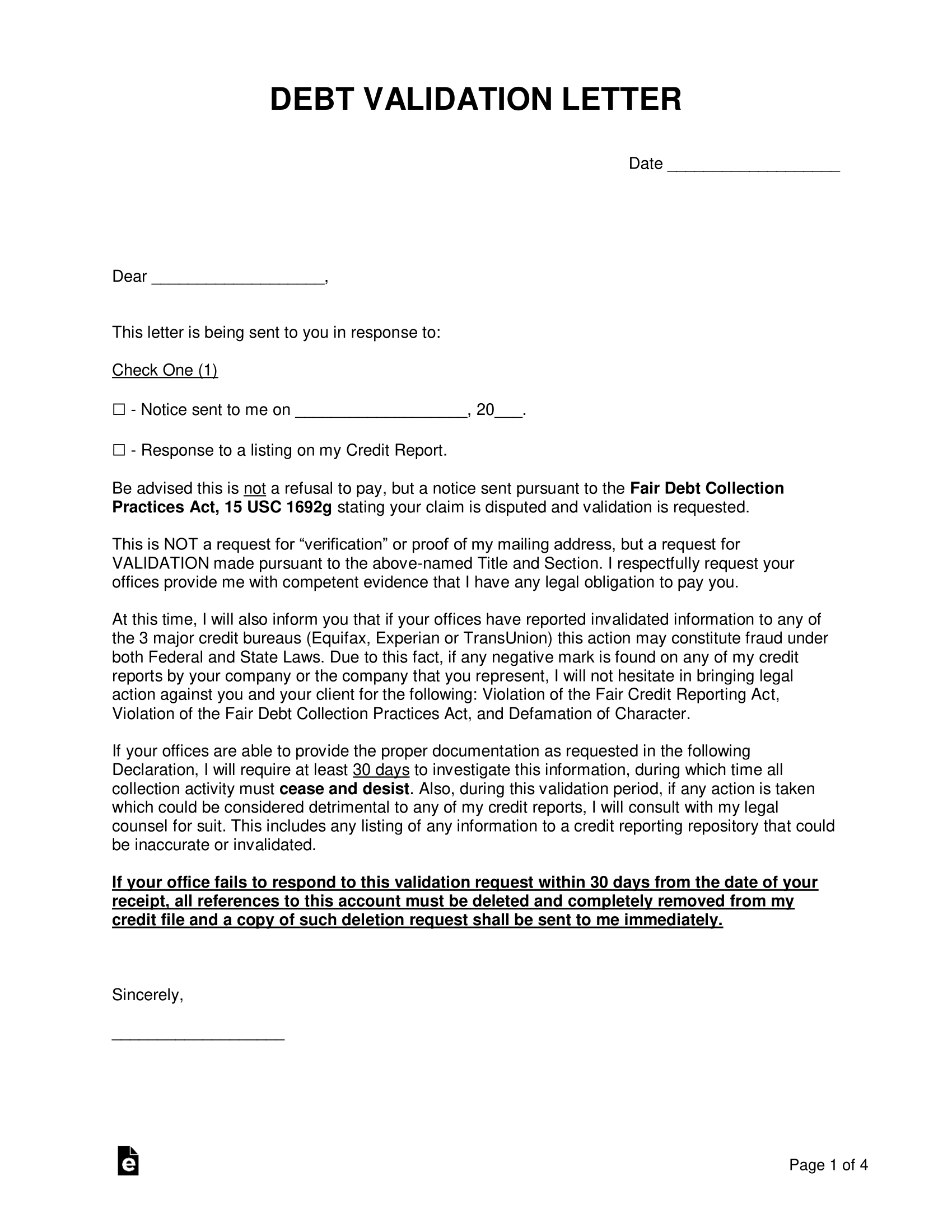
Debt Validation Letter

Full Conversation


I bought a home in 2006 in Pennsylvania with a subprime conventional mortgage loan, which was recorded with the county clerk's office. Then I refinanced the loan to a FHA mortgage, and Patriot Act attachment, that the loan officer only recorded with MERS.

In May 2013, the bank transferred my mortgage servicing to a mortgage company, and since that day I went from a gainfully employed homeowner whose mortgage and bills were current, had OK credit, and even little savings, to a steady decline in every part of my life by systematic abuse, deprivation, and rather atrocious behavior and color of law misconduct. I've been foreclosed on, divorced, and literally have suffered cruel and unusual treatment over this discrepancy.

Lexi

Lexi, Chatbot

I'm really sorry to hear about the difficult situation you've been facing with your mortgage and personal life. Can you please share if you have already taken any legal steps regarding the foreclosure or the treatment you've experienced?

I've been going through this for 13 years, so I've taken all steps I was instructed to do in the beginning. I even hired an attorney, till I realized there was a corrupt element at work and has been. I don't really believe, after seeing the lengths of atrocious behavior I have suffered at the hand of these officials and being blocked and deprived of my rights to remedy, the evidential proof is easily found, and I'll be releasing my biography soon.

Lexi

Lexi, Chatbot

Have you received any communication from the mortgage company or any other parties involved in your case that you believe is relevant to your situation?

I was foreclosed on in 2019. This has been a 13-year ordeal. I asked the mortgage company to validate the debt in October 2014. I also informed the CFPB, FTC, Treasury, and the Comptroller of the Currency, and hired an attorney, and to no avail.

Lexi

Lexi, Chatbot

Is there anything else the Real Estate Lawyer should know before I connect you? Rest assured they'll be able to help with your foreclosure issue.

No.

Queeneth E. Esq

Queeneth E. Esq

Hello and welcome to our service. My name is Queeneth, an attorney with over 8 years of legal experience. I will do my best to assist you today. First, I need to ask you a few questions to give you the best answer. (Kindly note that our conversation does not establish an attorney-client relationship.) Could you tell me more about any recent communications or actions taken regarding your foreclosure situation?

Can you share what specific outcome or resolution you're hoping to achieve at this point regarding your foreclosure and mortgage situation? Have you received any documentation or explanation from the mortgage company or any government agency about why your requests for debt validation or assistance were denied or ignored?

Queeneth E. Esq

Queeneth E. Esq

I'm sorry this has dragged on so long. The hardest truth here is that the MERS/county-recording discrepancy by itself is usually not enough in Pennsylvania to unwind a mortgage or a foreclosure. The Third Circuit has recognized that Pennsylvania law does not require every mortgage transfer to be publicly recorded, and another Third Circuit opinion later described the MERS streamlined recording method as generally in accord with Pennsylvania law.

In Pennsylvania foreclosure cases, the plaintiff must plead the mortgage and any assignments, and it must also have the right to enforce the note. The Superior Court has said a foreclosing party needs both the mortgage and the right to make demand on the note. So the better question is not "was everything recorded in the county?" but instead: who had the note and mortgage when the foreclosure complaint was filed, what assignments were pled, and what proof was used in court?

Pennsylvania Rule 1147 requires a foreclosure complaint to state the mortgage, any assignments, and where they were recorded. Pennsylvania courts have treated possession of the note plus the mortgage and assignment evidence as enough to establish standing in many cases.

On the 2013 servicing transfer to the mortgage company, federal law did require servicing-transfer notices: generally, the old servicer had to notify the borrower at least 15 days before the transfer, and the new servicer within 15 days after. The statute also says the transfer of servicing does not change the loan terms except terms directly related to servicing. A borrower can sue for RESPA servicing violations, but the limitations period for (12 U.S.C. § 2605) claims is 3 years. That timing problem is a significant one now.

Federal damages claims that people often pursue in mortgage cases usually have short statutes of limitations: TILA damages claims generally have a 1-year limitations period, RESPA § 2605 claims generally 3 years, and FDCPA claims generally 1 year from when the violation occurs. The Supreme Court has specifically held that the FDCPA's one-year clock ordinarily runs from the date of the violation, not discovery. Also, the FDCPA definition excludes a person collecting a debt that was not in default when it was obtained, so if the mortgage company acquired the loan while payments were current, a classic FDCPA debt-validation theory may have been weak from the start unless other facts made them a debt collector anyway.

That does not mean nothing improper occurred. It means that many of the obvious federal claims tied to 2013 and 2014 are likely time-barred now, and a new lawsuit trying to invalidate a completed state foreclosure usually faces major jurisdiction and preclusion problems. Federal courts often treat attempts to undo a final state foreclosure judgment as barred if the requested relief would negate that judgment.

Based on the information provided, the realistic paths remaining now are these:

A document-for-document post-judgment review, not a broad "MERS was illegal" theory. Gather the foreclosure complaint, all exhibits, the note, any allonges, every recorded assignment, the judgment, sheriff's sale papers, and any ejectment docket. The question is whether the plaintiff actually had the legal right to foreclose when it filed, and whether the record used in court was false, backdated, or materially incomplete.

A focused review of notices and procedure. Pennsylvania foreclosure practice requires the complaint to plead the mortgage and assignments, and Pennsylvania residential foreclosures ordinarily involve pre-foreclosure notices such as Act 6 and Act 91 notices. Whether that helps now depends on what happened in the docket and whether those issues were raised.

Current credit-reporting disputes, if the foreclosure, balance, dates, or status are still being reported inaccurately. The FTC advises that you can dispute errors with both the credit bureau and the furnisher.

Any truly new conduct that is still within the limitations period, such as recent collection misconduct, recent false credit furnishing, or a recent state-actor violation. (42 U.S.C. § 1983) exists for deprivations of rights under color of state law, but Pennsylvania uses a 2-year limitations period for § 1983 claims, so older civil-rights theories are generally a problem unless there is a newer actionable event.

Is there anything else you would like me to explain or any additional information you need?

Queeneth E. Esq

Queeneth E. Esq

6,270 satisfied customers

Queeneth E. Esq
Welcome! Have a similar question?

12 lawyers online now

0:00

By messaging AskALawyer, you agree to our Terms and Privacy Policy.

Disclaimer


By messaging AskaLawyer.com, you agree to our Terms and have read our Privacy Policy.

The information provided on AskaLawyer.com is for general informational purposes only and does not constitute legal advice. While we strive to ensure the accuracy and timeliness of the information presented, we make no guarantees regarding its completeness or applicability to your specific circumstances.

Use of this website does not create an attorney-client relationship between you and AskaLawyer.com or any of its attorneys. Communications through this website, including any responses from attorneys, are not privileged or confidential. For advice tailored to your individual situation, we recommend consulting a licensed attorney in your jurisdiction.

AskaLawyer.com disclaims any liability for actions taken or not taken based on the content of this site. We are not responsible for any third-party content that may be accessed through this website. Reliance on any information provided herein is solely at your own risk.

Ask a Lawyer Logo
Ask a Lawyer Logo
Intake Questions
Step  of 3
Loading...

What's your legal question?

Lexi, Chatbot

How would you like your legal question to be answered?

Online

Legal AI

Using ChatGPT 4o

Loading...

How do you like to pay?

By proceeding with payment, you agree to our Terms and Privacy Policy. You authorize us to charge $ today and $ thereafter until canceled. You may cancel anytime in the My Account section to stop future charges.

Total Due:

After purchasing, your chat will begin with an attorney.

By proceeding with payment, you agree to our Terms and Privacy Policy. You authorize us to charge $ today and $ thereafter until canceled. You may cancel anytime in the My Account section to stop future charges.

Total Due:

After purchasing, your chat will begin with an attorney.

After connecting, your chat will begin with an attorney. After choosing, your chat will continue with Legal AI.

It looks like you already have an account with Ask a Lawyer.

We have sent you a magic link to . Click the link in your email to sign in and continue your chat.

spin

Step of 6 •

You'll receive an email at as soon as the lawyer joins the conversation 🙏🏻😊

Over 90% of lawyers connect within 5 minutes. If you're not online at that moment, don't worry — the lawyer will reply to your message while you're away.

You're also welcome to stay in the chat while waiting to be connected 💬✨

Waiting for lawyer

We couldn't send your message. Please try again.

Your lawyer will reply as soon as possible

If there’s a delay, please don’t worry. Your chat will stay open, and they’ll get back to you as soon as they can. There’s no rush on your end either. You’ll receive an email notification as soon as there’s a new message.

You've reached your AI chat limit

Upgrade your plan to continue chatting and get instant domain-specific answers.

0:00