Lawyer, Esquire
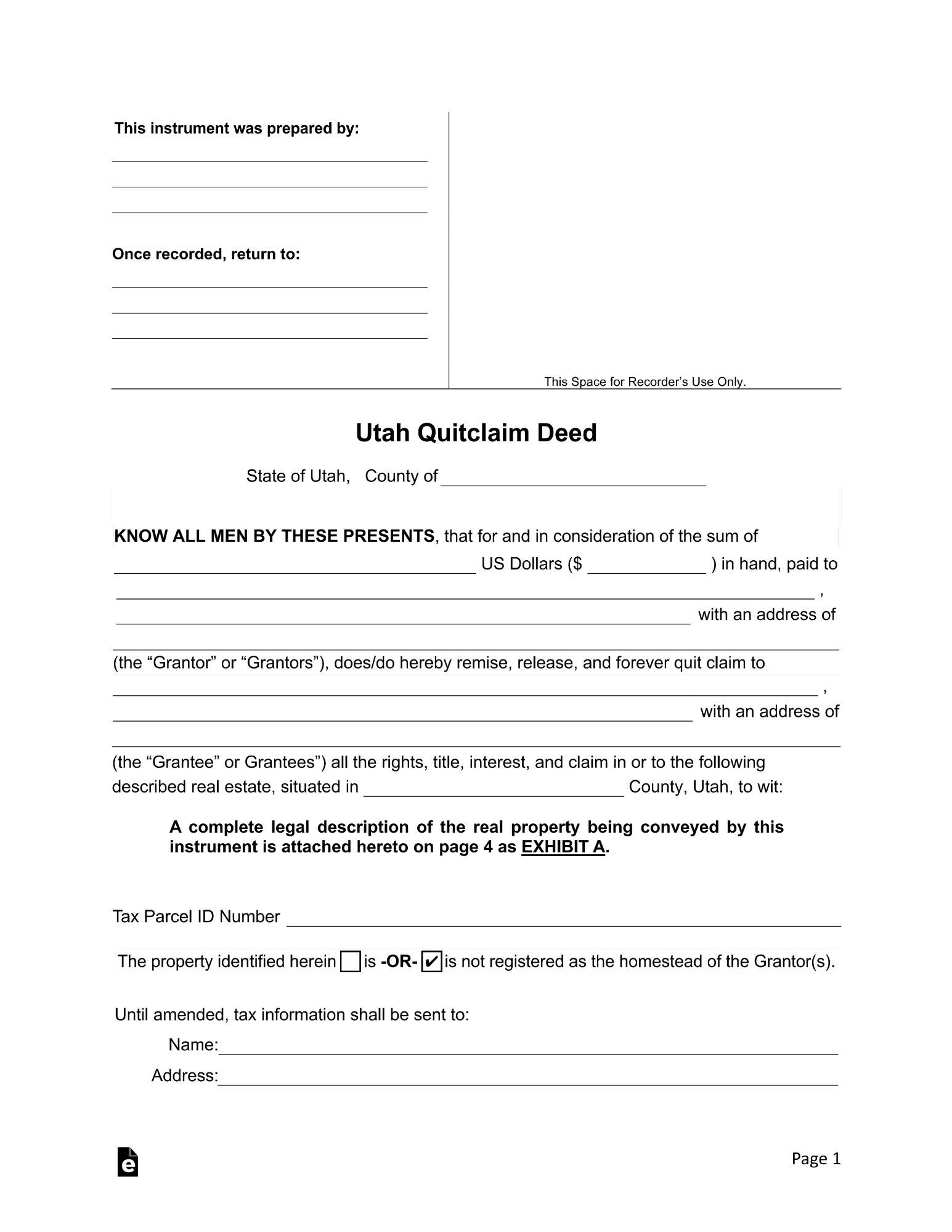
Using generic online forms for real estate transfers, especially involving trusts and multiple parties, is extremely risky. If the deed is drafted, executed, or recorded incorrectly, it could be legally invalid, create a "cloud" on the title that prevents you from selling or refinancing later, or trigger unintended tax consequences. Here are the critical reasons why you should stop and consult a real estate or estate planning attorney immediately:
- The "Trustee" Complication. You mentioned your mother-in-law is acting as Trustee. A Trustee has a specific fiduciary duty to the trust beneficiaries. Many states, including Utah's Uniform Trust Code, impose a statutory duty of loyalty and a duty to act in good faith on a trustee, so if she is transferring property out of the trust to herself as an individual (and others), she may be violating the terms of the trust or her fiduciary obligations. If the transfer is later found to be unauthorized, it could be voided by a court, meaning you would have no legal ownership interest despite having "recorded" a deed. (UT Code § 75-7-802)
- The Mechanics of "Joint Tenancy." To create a valid Joint Tenancy with Right of Survivorship, the deed must meet strict legal requirements. Under statutes like (UT Code § 57-1-5), which governs how instruments must be worded to create a joint tenancy, if the language isn't legally precise (or if the "four unities," meaning time, title, interest, and possession, are not properly established), the court will default to Tenancy in Common. If that happens, you lose the right of survivorship, and your mother-in-law's share would then pass to her heirs or trust beneficiaries instead of to you or your husband.
- Trust Distribution vs. Deed. You are concerned that her distribution plan blocks you from earning income. A deed transfer might technically change who owns the property, but it does not necessarily override the terms of a trust. If the trust instrument itself dictates how property must be managed or distributed, a quitclaim deed might be challenged as an invalid attempt to circumvent the trust's legal requirements.
- Why "Recording" is Not Enough. Just because a county recorder's office accepts a document does not mean it is legally sound. They only check for basic formatting and fees; they do not verify if the transfer is legal, if the grantor had the authority to make the transfer, or if it violates other existing laws. A deed can be recorded and still be later declared invalid in a lawsuit.
Recommended Next Steps:
- Do NOT record the deed yet. If the deed is flawed, recording it officially makes the error a part of the public record, which is much harder to "fix" than simply not filing it in the first place.
- Consult an Attorney. You need someone to review the Trust Document itself, not just the deed. An attorney can determine if the Trustee has the authority to make this transfer and can draft a deed that actually achieves your goal of protecting your interests.
- Find a Real Estate/Estate Planning Attorney. Since this involves both property law and trust/probate law, look for an attorney who specializes in both. You can contact your local County Bar Association for a referral to a qualified professional.
I hope I was able to help resolve your issue! If you have any other questions, feel free to ask.