How do I dissolve a single-proprietor LLC that also has a registered agent attached to it?
Here’s a general breakdown of how to dissolve a single-member LLC, even if it has a registered agent:
1. Review Your Operating Agreement
Even as a single member, check your operating agreement (if you have one). It usually explains how to dissolve the LLC and what happens with assets, debts, and business accounts. If there’s no operating agreement, you’ll simply follow your state’s LLC laws.
Document your decision to dissolve — even if you’re the only owner — for your records.
2. Wind Down the Business
Stop all business operations and notify anyone you owe money to (creditors, vendors, etc.) in writing. Let them know the business is closing and where to send claims. This step helps protect you from personal liability later.
Pay off any debts, close contracts, and distribute any remaining assets to yourself.
3. Take Care of Taxes
Notify the IRS and your state tax agency that you’re closing the LLC. File all final tax returns and check the “final return” box where applicable. For example:
- Schedule C if you report income as a sole proprietor.
- Form 1120 or 1120-S if you elected corporate taxation.
- Cancel your EIN if you won’t use it again.
4. Cancel Business Licenses & Accounts
Cancel all business licenses, permits, and registrations at the city, county, and state levels. Close business bank accounts once all debts are paid and funds distributed.
5. Notify Your Registered Agent
Your registered agent’s role is only to receive official documents for your LLC. They do not have any ownership rights or control over the business. Let them know the LLC is being dissolved so they can close out their file.
If you’re unhappy with their service, you’re under no obligation to use them again in the future — even if you form a new company. You can always appoint a new registered agent when you create a new LLC.
6. File Articles of Dissolution
File an Articles of Dissolution (sometimes called a Certificate of Termination) with your Secretary of State.
- You can do this online or by mail.
- The filing fee is usually under $50.
You’ll provide the LLC’s name, filing number, and a simple statement that you’re dissolving voluntarily.
Keep a copy of everything you file.
7. Keep Records
Maintain copies of your Articles of Dissolution, tax filings, and any notices to creditors for your records. This will protect you in case questions arise later.
0
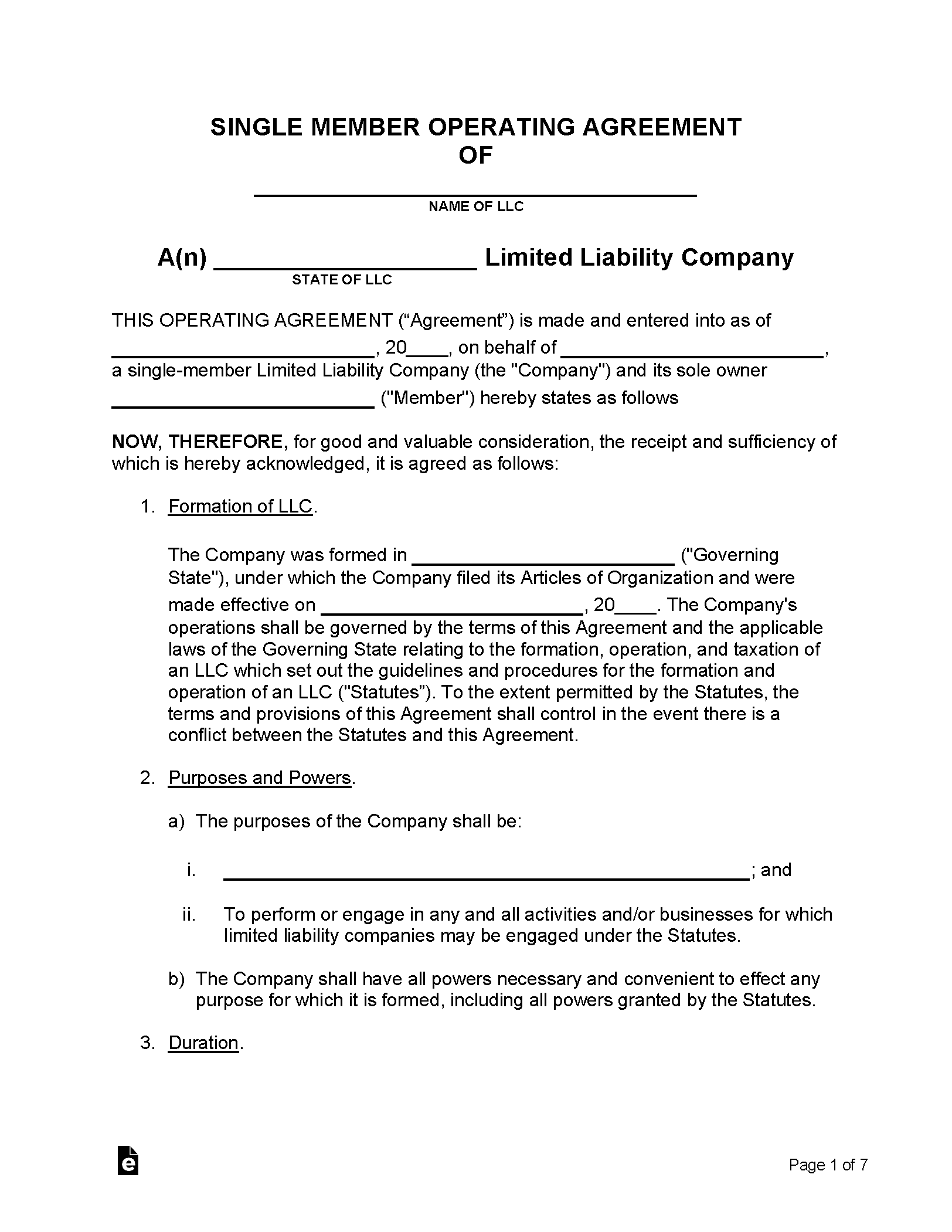
Single-Member LLC Operating Agreement Template
Full Conversation
How do I dissolve a single-proprietor LLC that also has a registered agent attached to it?
Lexi, Chatbot
I understand you’re looking to dissolve a single-member LLC that has a registered agent. Have you already taken any steps toward dissolving the LLC?
Yes, I have, but I want to know — for future reference — whether I should trust the people I’m dealing with.
Lexi, Chatbot
Are there specific reasons prompting you to dissolve the LLC at this time?
Not meeting expectations, but that’s a separate issue. My concern now is, if or when I decide to establish another LLC, should I deal with the same people?
Lexi, Chatbot
Is there anything else the lawyer should know before I connect you?
Yes.
Jon
Hello and thank you for reaching out! I’m Jon, a licensed attorney with over 13 years of experience, and I’m here to help. I know business law can be overwhelming, but I’ll make things clear and guide you through this.
You’re the LLC owner, I presume? What state was it formed in?
Jon
Here’s a general breakdown of how to dissolve a single-member LLC, even if it has a registered agent:
1. Review Your Operating Agreement
Even as a single member, check your operating agreement (if you have one). It usually explains how to dissolve the LLC and what happens with assets, debts, and business accounts. If there’s no operating agreement, you’ll simply follow your state’s LLC laws.
Document your decision to dissolve — even if you’re the only owner — for your records.
2. Wind Down the Business
Stop all business operations and notify anyone you owe money to (creditors, vendors, etc.) in writing. Let them know the business is closing and where to send claims. This step helps protect you from personal liability later.
Pay off any debts, close contracts, and distribute any remaining assets to yourself.
3. Take Care of Taxes
Notify the IRS and your state tax agency that you’re closing the LLC. File all final tax returns and check the “final return” box where applicable. For example:
- Schedule C if you report income as a sole proprietor.
- Form 1120 or 1120-S if you elected corporate taxation.
- Cancel your EIN if you won’t use it again.
4. Cancel Business Licenses & Accounts
Cancel all business licenses, permits, and registrations at the city, county, and state levels. Close business bank accounts once all debts are paid and funds distributed.
5. Notify Your Registered Agent
Your registered agent’s role is only to receive official documents for your LLC. They do not have any ownership rights or control over the business. Let them know the LLC is being dissolved so they can close out their file.
If you’re unhappy with their service, you’re under no obligation to use them again in the future — even if you form a new company. You can always appoint a new registered agent when you create a new LLC.
6. File Articles of Dissolution
File an Articles of Dissolution (sometimes called a Certificate of Termination) with your Secretary of State.
- You can do this online or by mail.
- The filing fee is usually under $50.
You’ll provide the LLC’s name, filing number, and a simple statement that you’re dissolving voluntarily.
Keep a copy of everything you file.
7. Keep Records
Maintain copies of your Articles of Dissolution, tax filings, and any notices to creditors for your records. This will protect you in case questions arise later.
Jon
To your other point — if you weren’t satisfied with the service or trustworthiness of the people helping you form or manage the LLC (such as your registered agent or filing service), you can absolutely switch to a different provider in the future.
There are many reputable services and attorneys who can assist with LLC formation, and you’re not bound to use the same people again.
19
7
Answered 2 weeks ago
18
6
Answered 3 weeks ago
Disclaimer
By messaging AskaLawyer.com, you agree to our Terms and have read our Privacy Policy.
The information provided on AskaLawyer.com is for general informational purposes only and does not constitute legal advice. While we strive to ensure the accuracy and timeliness of the information presented, we make no guarantees regarding its completeness or applicability to your specific circumstances.
Use of this website does not create an attorney-client relationship between you and AskaLawyer.com or any of its attorneys. Communications through this website, including any responses from attorneys, are not privileged or confidential. For advice tailored to your individual situation, we recommend consulting a licensed attorney in your jurisdiction.
AskaLawyer.com disclaims any liability for actions taken or not taken based on the content of this site. We are not responsible for any third-party content that may be accessed through this website. Reliance on any information provided herein is solely at your own risk.