[CO] What do I need to know about setting up an S-corp?

I’m starting a data scraping company and I have questions about LLC, S-Corp, and making sure I’m setting things up properly.
October 16, 2025 13 3

Full Conversation

I’m starting a data scraping company and I have questions about LLC, S-Corp, and making sure I’m setting things up properly.

I understand starting a data scraping company can be complex. What specific concerns do you have regarding the formation of your LLC or S-Corp?

It’s just me. I want to know if choosing an LLC and filing as an S-Corp is the best choice for me.

Have you already taken any steps, like registering your company or consulting any professionals?

I already have an LLC I work under as a freelancer (in my own name). I was thinking about registering a second LLC for this new company. I wanted to ask about that too.

Is there anything else the corporate lawyer should know?

No.

Queeneth E. Esq

Hello. My name is Queeneth, an attorney with 8+ years of experience. Which state does your question pertain to?

I’m in Colorado, but I will be selling online to all states.

Queeneth E. Esq

Thank you. Here’s an overview:

  • LLC (single-member, default tax): Easy setup/maintenance. Taxed on Schedule C. All net profit subject to self-employment tax (15.3%).
  • LLC taxed as S-Corp (via IRS election): Still an LLC legally, just taxed differently. You pay yourself a reasonable W-2 salary (payroll taxes apply). Profits above that are distributions not subject to SE tax. More admin: payroll setup, quarterly filings (e.g., Form 941), year-end W-2; usually use a payroll service.
  • When S-Corp makes sense: Often once net profit ≥ ~$60k. Below that, admin costs can outweigh tax savings.
  • One LLC vs. two: You can run multiple lines under one LLC (use DBAs and clean books).
  • Consider a separate LLC if: different liability profile (scraping: contracts/IP/compliance), separate brand, or you want clean financial separation. Each additional LLC adds cost/filings/bookkeeping.
  • Selling online nationwide: Usually no foreign registration unless you have physical presence (employees/office/warehouse) in other states.
  • Taxes (high-level): Many states don’t tax pure digital services, but rules vary; Colorado generally doesn’t tax most digital services. Income tax is generally where you’re domiciled (Colorado).
  • Rule of thumb: Under ~$60k net: stay default LLC for simplicity. Expecting ~$100k+ net: consider LLC + S-Corp election.
  • Scraping carries legal risks (CFAA/ToS/IP/privacy), so a separate LLC for the scraping brand can be prudent.

Is there anything else I should know? I’ll move forward with a brand-new LLC and elect S-Corp. Also, what is a reasonable salary?

Queeneth E. Esq

The IRS doesn’t give a single number; “reasonable salary” = what someone in your role would be paid:

  • Consider industry pay (e.g., data engineer/scraping contractor in your market), your duties (hands-on vs. managerial), and company profits.
  • Common benchmark: 40–60% of net profit as W-2 salary, remainder as S-Corp distributions.
  • Red flags for audits: salaries that are too low (e.g., $10k on $200k profit) or no salary.

S-Corp admin to expect:

  • Run payroll with withholdings; quarterly payroll filings (Form 941); year-end W-2; unemployment insurance.
  • Many use Gusto/ADP/QuickBooks Payroll (~$40–$100/month).
  • File 1120-S annually; issue yourself a K-1.
  • Budget for a CPA ($1k–$2k/yr), typically offset by tax savings at higher profits.
  • Potential benefits: solo 401(k), certain health reimbursements (special rules for >2% shareholders).

Formation steps for the new entity:

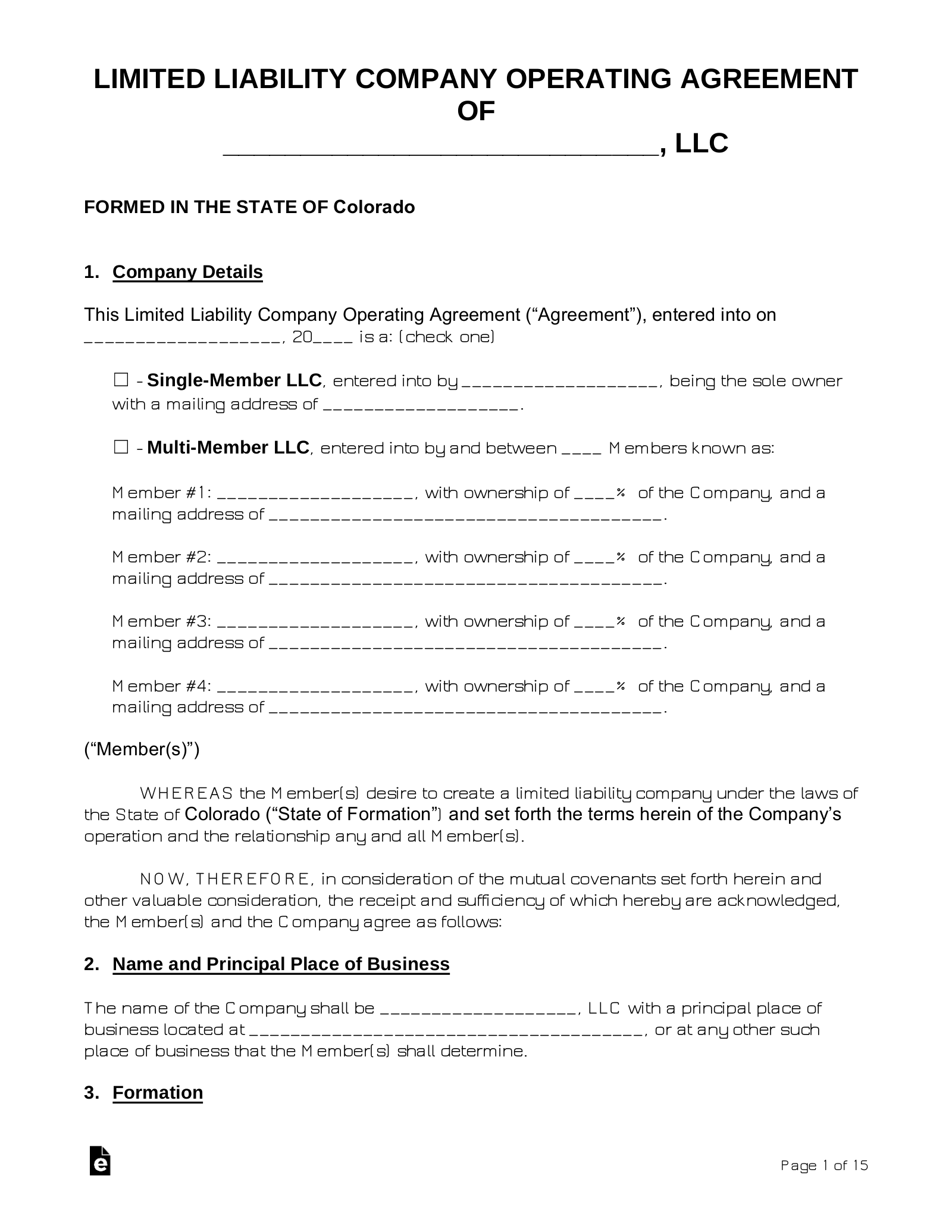
  1. File Articles of Organization in Colorado.
  2. Get a new EIN.
  3. Make S-Corp election (Form 2553) within 75 days of formation (or by next year’s deadline).
  4. Keep your existing freelance LLC as a disregarded entity if you like, and run the new one as the S-Corp.

Legal risk notes for scraping (high level):

  • CFAA (18 U.S.C. § 1030): Risk if access is “without authorization”—e.g., behind logins/paywalls or bypassing technical blocks.
  • Terms of Service (ToS): Violations can lead to breach-of-contract/unfair competition claims, even if not criminal.
  • Copyright/Database rights: Avoid reproducing proprietary or creative content at scale.
  • Privacy laws (GDPR/CCPA, etc.): Be careful collecting or selling personal data (emails/phones/locations).

Lower-risk practices:

  • Stick to public web pages (no login walls/paid content).
  • Respect robots.txt (not binding, but shows good faith).
  • Throttle requests to avoid service disruption claims.
  • Aim for transformative use (analytics/insights, not republishing raw data).
  • Avoid sensitive personal info unless you have clear legal grounds/consent.

Thanks.

Have a similar question?

Related Questions