[TX] How does an abstract of judgment help collect an unpaid court judgment?

Lawyer, Esquire
Lawyer, Esquire

25 satisfied customers

View context
Solved

That's a good question because an Abstract of Judgment is one of your most useful tools for collecting on that judgment.

WHAT IT IS: An Abstract of Judgment is basically a certified copy of your judgment that's been formatted in a specific way. It's a short document that summarizes the key details: who won (you), who lost (the dealership), the amount owed ($2,000), and the date of the judgment. Texas courts issue these, and they're designed specifically for filing in other counties or with other government offices.

WHY IT MATTERS FOR COLLECTION: The Abstract becomes powerful when you file it with the county clerk in any Texas county where the dealership owns property. Once filed, it creates a judgment lien against all real property the dealership owns in that county, under (TX Prop § 52). This means if they own land, a building, or any real estate, your judgment attaches to it automatically. They can't sell that property without paying you off first, because the title will show your lien.

You can file the Abstract in multiple counties if you think the dealership has property in different areas. Each filing costs around $50 to $100 depending on the county, but it's usually worth it because it gives you a claim that doesn't go away for years.

HOW TO GET ONE: You'd request the Abstract from the small claims court that issued your judgment. It's a straightforward process, usually just a phone call or a visit to the courthouse. They'll prepare it and give you certified copies. You then take those copies and file them with the county clerk in whichever county or counties you want to place the lien.

TIMING AND DURATION: The lien lasts for ten years in Texas, so you've got plenty of time, consistent with (TX Prop § 52.006), which governs the duration of a judgment lien and allows for its renewal. Even if the dealership doesn't have property now, if they buy something later, your lien is already in place and will show up when they try to sell or refinance.

OTHER USES: Beyond real property, the Abstract can also be used with other collection tools. For example, if you later discover the dealership has a bank account or other assets, you can use the Abstract as part of your garnishment or execution process, which is authorized more broadly under the (TX Civ Prac & Rem Code § 34), which covers execution on judgments.

NEXT STEPS FOR YOU: I'd suggest getting the Abstract from the court as soon as possible. It's inexpensive and gives you leverage. Even if the dealership doesn't own property right now, having that lien in place means you're protected if their situation changes. You can file it in the county where their dealership location is, and in any other counties where you think they might own property.

Does that answer your question about how Abstracts work in Texas? Is there anything else you'd like me to clarify about the collection process?

0

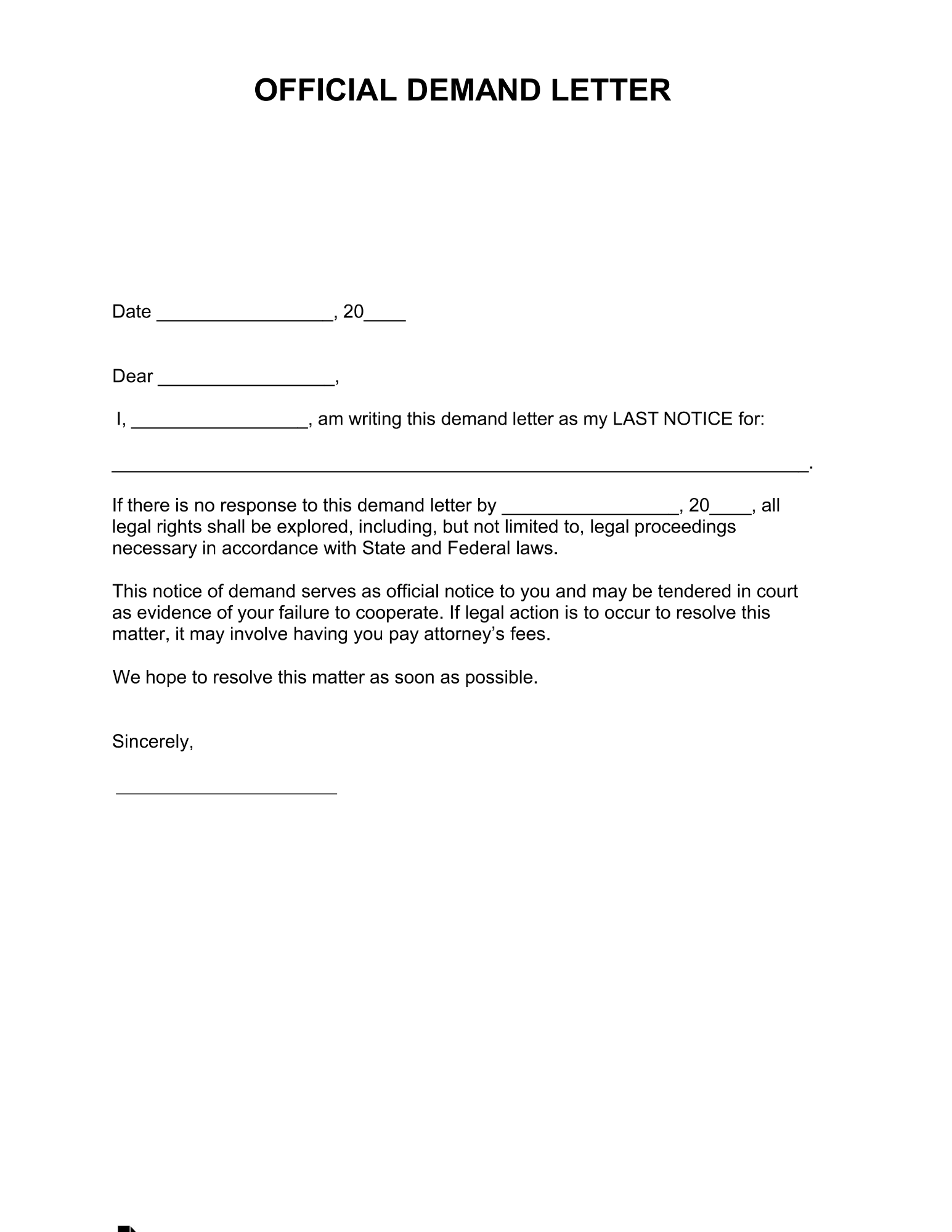
Official Demand Letter

Full Conversation


On 04/06/26 I won my civil small claims court case against a dealership by default judgment, of $2,000.00. The dealership has not attempted to pay me anything, what can I do next. It has been 21 days since the judgment. The Default Judgment was signed by the Judge 04/06/26.

Lexi

Lexi, Chatbot

I understand how frustrating it can be when a judgment isn't honored. Have you attempted to contact the dealership regarding the payment since the judgment was issued?

I don't know.

Lexi

Lexi, Chatbot

Have you already filed any enforcement actions, such as a wage garnishment or bank levy, to collect the judgment amount?

I don't know.

Lexi

Lexi, Chatbot

Is there anything else the Lawyer should know before I connect you? Rest assured they'll be able to help with your judgment collection.

Lawyer, Esquire

Lawyer, Esquire

Hello! I'm an attorney with over 20 years of experience. Thanks so much for the opportunity to assist you!

You've got options for collecting on that judgment. You can try contacting the dealership directly to demand payment, file a motion for attorney fees if allowed in your state, or pursue enforcement through wage garnishment, bank levies, or property liens. The specifics depend on your state's rules and the dealership's assets. What state is this judgment in? And do you know if the dealership has a physical location or bank accounts you could potentially target?

Texas. I know the physical location.

Lawyer, Esquire

Lawyer, Esquire

Good to know you have the location. In Texas, you have several paths forward to collect on your judgment. The most direct approach is a post judgment discovery process. You can file a motion to discover the dealership's assets, which forces them to disclose bank accounts, property, inventory, and other valuables. Once you know what they have, you can pursue a writ of execution, which allows a constable to seize and sell their property to satisfy the judgment. You could also go after their bank accounts through a garnishment, though you'd need to identify which banks they use first.

Another option is a writ of garnishment against their business accounts if you can figure out where they bank. Texas also allows judgment liens, which you can file against any real property the dealership owns. This doesn't get you money immediately, but it clouds their title and gives you a claim if they ever sell it. Before spending money on enforcement, I'd recommend sending them a formal demand letter. Sometimes just knowing you're serious about collection gets results. If they still don't respond, then you move to the discovery and execution phase.

Do you know if the dealership is a sole proprietorship, partnership, or corporation? Thank you so much for the details, I appreciate you working with me on this.

In Texas what is an Abstract of Judgment?

Lawyer, Esquire

Lawyer, Esquire

That's a good question because an Abstract of Judgment is one of your most useful tools for collecting on that judgment.

WHAT IT IS: An Abstract of Judgment is basically a certified copy of your judgment that's been formatted in a specific way. It's a short document that summarizes the key details: who won (you), who lost (the dealership), the amount owed ($2,000), and the date of the judgment. Texas courts issue these, and they're designed specifically for filing in other counties or with other government offices.

WHY IT MATTERS FOR COLLECTION: The Abstract becomes powerful when you file it with the county clerk in any Texas county where the dealership owns property. Once filed, it creates a judgment lien against all real property the dealership owns in that county, under (TX Prop § 52). This means if they own land, a building, or any real estate, your judgment attaches to it automatically. They can't sell that property without paying you off first, because the title will show your lien.

You can file the Abstract in multiple counties if you think the dealership has property in different areas. Each filing costs around $50 to $100 depending on the county, but it's usually worth it because it gives you a claim that doesn't go away for years.

HOW TO GET ONE: You'd request the Abstract from the small claims court that issued your judgment. It's a straightforward process, usually just a phone call or a visit to the courthouse. They'll prepare it and give you certified copies. You then take those copies and file them with the county clerk in whichever county or counties you want to place the lien.

TIMING AND DURATION: The lien lasts for ten years in Texas, so you've got plenty of time, consistent with (TX Prop § 52.006), which governs the duration of a judgment lien and allows for its renewal. Even if the dealership doesn't have property now, if they buy something later, your lien is already in place and will show up when they try to sell or refinance.

OTHER USES: Beyond real property, the Abstract can also be used with other collection tools. For example, if you later discover the dealership has a bank account or other assets, you can use the Abstract as part of your garnishment or execution process, which is authorized more broadly under the (TX Civ Prac & Rem Code § 34), which covers execution on judgments.

NEXT STEPS FOR YOU: I'd suggest getting the Abstract from the court as soon as possible. It's inexpensive and gives you leverage. Even if the dealership doesn't own property right now, having that lien in place means you're protected if their situation changes. You can file it in the county where their dealership location is, and in any other counties where you think they might own property.

Does that answer your question about how Abstracts work in Texas? Is there anything else you'd like me to clarify about the collection process?

Lawyer, Esquire

Lawyer, Esquire

25 satisfied customers

Lawyer, Esquire
Welcome! Have a similar question?

12 lawyers online now

0:00

By messaging AskALawyer, you agree to our Terms and Privacy Policy.

Disclaimer


By messaging AskaLawyer.com, you agree to our Terms and have read our Privacy Policy.

The information provided on AskaLawyer.com is for general informational purposes only and does not constitute legal advice. While we strive to ensure the accuracy and timeliness of the information presented, we make no guarantees regarding its completeness or applicability to your specific circumstances.

Use of this website does not create an attorney-client relationship between you and AskaLawyer.com or any of its attorneys. Communications through this website, including any responses from attorneys, are not privileged or confidential. For advice tailored to your individual situation, we recommend consulting a licensed attorney in your jurisdiction.

AskaLawyer.com disclaims any liability for actions taken or not taken based on the content of this site. We are not responsible for any third-party content that may be accessed through this website. Reliance on any information provided herein is solely at your own risk.

Ask a Lawyer Logo
Ask a Lawyer Logo
Intake Questions
Step  of 3
Loading...

What's your legal question?

Lexi, Chatbot

How would you like your legal question to be answered?

Online

Loading...

How do you like to pay?

By proceeding with payment, you agree to our Terms and Privacy Policy. You authorize us to charge $ today and $ thereafter until canceled. You may cancel anytime in the My Account section to stop future charges.

Total Due:

After purchasing, your chat will begin with an attorney.

By proceeding with payment, you agree to our Terms and Privacy Policy. You authorize us to charge $ today and $ thereafter until canceled. You may cancel anytime in the My Account section to stop future charges.

Total Due:

After purchasing, your chat will begin with an attorney.

After connecting, your chat will begin with an attorney. After choosing, your chat will continue with Legal AI.

It looks like you already have an account with Ask a Lawyer.

We have sent you a magic link to . Click the link in your email to sign in and continue your chat.

spin

Step of 6 •

You'll receive an email at as soon as the lawyer joins the conversation 🙏🏻😊

Over 90% of lawyers connect within 5 minutes. If you're not online at that moment, don't worry — the lawyer will reply to your message while you're away.

You're also welcome to stay in the chat while waiting to be connected 💬✨

Waiting for lawyer

We couldn't send your message. Please try again.

Your lawyer will reply as soon as possible

If there’s a delay, please don’t worry. Your chat will stay open, and they’ll get back to you as soon as they can. There’s no rush on your end either. You’ll receive an email notification as soon as there’s a new message.

You've reached your AI chat limit

Upgrade your plan to continue chatting and get instant domain-specific answers.

0:00