[FL] How do you build a strong small claims case for breach of agreement and unjust enrichment?

Dan
Dan

30,565 satisfied customers

View context
Solved

I'm sorry you're dealing with this, and I understand why this feels frustrating, especially when the other side first agreed to send your money back and then started changing the story. In Florida, a small claims case usually starts with a Statement of Claim, and for money disputes the small claims limit is generally $8,000, excluding costs and interest, under (FL Stat § 34.01), which sets county court jurisdiction, and the procedure itself is governed by the Florida Small Claims Rules.

If your dispute is based on a contract, the main legal theory is breach of agreement, and Florida also recognizes related claims like unjust enrichment when someone keeps a benefit that it would be unfair to retain. Since you mentioned fraud as well, that can sometimes be included, but it usually needs specific facts showing intentional misrepresentation, so the strongest path is often the one that is simplest and best supported by your messages and payment records. Here are the most practical next steps:

  1. First, gather and organize your proof before filing. That means the agreement, payment records, texts, emails, screenshots showing they admitted they owed you money or agreed to refund it, and any messages where they delayed or gave excuses. This matters because small claims judges usually want a clear paper trail, and your case will be stronger if you can show, in a simple timeline, what was promised, what you paid, what was said about repayment, and how they failed to follow through. Start by putting everything into one folder and making a one-page chronology so you can explain the dispute clearly and calmly.
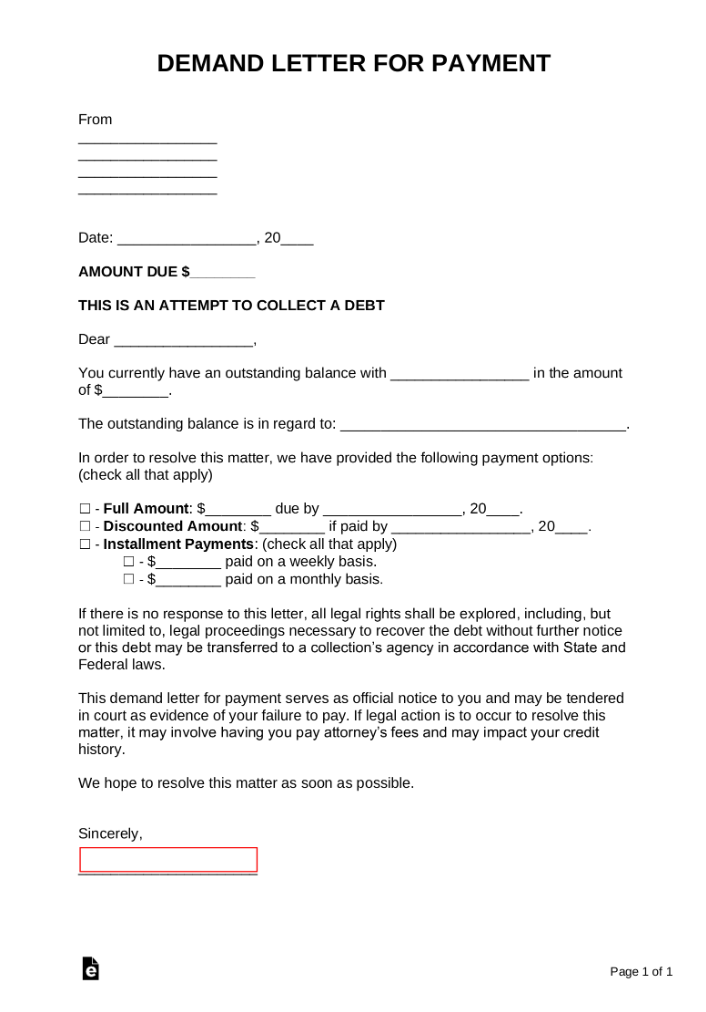
  2. Second, send one final written demand, if you have not already done so, in a clean and formal way. Legally, this gives the other side a last chance to pay before court, and it also helps you show the judge that you tried to resolve the matter outside litigation, which courts tend to appreciate. Keep it short, polite, and specific, state the amount owed, the deadline for payment, and that you will file in small claims court if they do not pay by that date. If possible, send it by a method you can prove, such as email and certified mail, so you have evidence that the demand was made.
  3. Third, prepare to file in small claims court if they still refuse to pay. In Florida, the case begins with a Statement of Claim, and the court will set a pretrial conference after filing and service on the defendant. This option matters because it turns the dispute from back and forth delay into a formal process with deadlines, service, and a court date. When you draft the claim, keep the request focused on the amount you are actually owed, and if your total claim is over the small claims limit, you may need to decide whether to waive the excess or file in a different civil division. A clean claim based on breach of agreement and, if appropriate, unjust enrichment is often more effective than overloading the case with every possible theory.

My recommendation is to start with the documentary package and one final demand letter, then file the small claims case if they do not immediately pay. That is usually the strongest approach because it gives you leverage, creates a clear record of your good faith efforts, and puts you in the best position to present a simple, credible case to the judge. Please let me know if these options make sense to you. I am happy to explain anything further. It's important to me that you fully understand your choices.

0

Demand Letter for Payment

Full Conversation


I have a dispute I want to file in small claims court.

Lexi

Lexi, Chatbot

I understand that dealing with a dispute can be stressful. What type of dispute are you looking to file in small claims court?

breach of agreement/fraud/ unjust enrichment.

Lexi

Lexi, Chatbot

Have you already attempted to resolve this dispute outside of court, and if so, what steps have you taken?

Yes. I've been in communication with the other party, and they agreed to send my money back. But after countless efforts of asking the other party to send the money back, they continued to give delays and excuses. Now, after letting them know I'm seeking legal action, they are trying to come up with reasons why I won't be getting my money back.

Lexi

Lexi, Chatbot

Is there anything else the Lawyer should know before I connect you? Rest assured they'll be able to help with your breach of agreement.

No.

Dan

Dan

Hello, and welcome to our service. My name is Daniel, and I've been a licensed attorney for over 22 years. I'm sorry you're dealing with this situation, and I'll do everything I can to help. To ensure I fully understand, you're looking to file a dispute in small claims court for breach of agreement, fraud, and unjust enrichment after the other party failed to return your money despite agreeing to do so. Is that right?

Yes. I can give much more details at anytime.

Dan

Dan

Could you let me know which state or jurisdiction this dispute is taking place in? This will help me understand the legal framework that applies.

Florida.

Dan

Dan

I'm sorry you're dealing with this, and I understand why this feels frustrating, especially when the other side first agreed to send your money back and then started changing the story. In Florida, a small claims case usually starts with a Statement of Claim, and for money disputes the small claims limit is generally $8,000, excluding costs and interest, under (FL Stat § 34.01), which sets county court jurisdiction, and the procedure itself is governed by the Florida Small Claims Rules.

If your dispute is based on a contract, the main legal theory is breach of agreement, and Florida also recognizes related claims like unjust enrichment when someone keeps a benefit that it would be unfair to retain. Since you mentioned fraud as well, that can sometimes be included, but it usually needs specific facts showing intentional misrepresentation, so the strongest path is often the one that is simplest and best supported by your messages and payment records. Here are the most practical next steps:

  1. First, gather and organize your proof before filing. That means the agreement, payment records, texts, emails, screenshots showing they admitted they owed you money or agreed to refund it, and any messages where they delayed or gave excuses. This matters because small claims judges usually want a clear paper trail, and your case will be stronger if you can show, in a simple timeline, what was promised, what you paid, what was said about repayment, and how they failed to follow through. Start by putting everything into one folder and making a one-page chronology so you can explain the dispute clearly and calmly.
  2. Second, send one final written demand, if you have not already done so, in a clean and formal way. Legally, this gives the other side a last chance to pay before court, and it also helps you show the judge that you tried to resolve the matter outside litigation, which courts tend to appreciate. Keep it short, polite, and specific, state the amount owed, the deadline for payment, and that you will file in small claims court if they do not pay by that date. If possible, send it by a method you can prove, such as email and certified mail, so you have evidence that the demand was made.
  3. Third, prepare to file in small claims court if they still refuse to pay. In Florida, the case begins with a Statement of Claim, and the court will set a pretrial conference after filing and service on the defendant. This option matters because it turns the dispute from back and forth delay into a formal process with deadlines, service, and a court date. When you draft the claim, keep the request focused on the amount you are actually owed, and if your total claim is over the small claims limit, you may need to decide whether to waive the excess or file in a different civil division. A clean claim based on breach of agreement and, if appropriate, unjust enrichment is often more effective than overloading the case with every possible theory.

My recommendation is to start with the documentary package and one final demand letter, then file the small claims case if they do not immediately pay. That is usually the strongest approach because it gives you leverage, creates a clear record of your good faith efforts, and puts you in the best position to present a simple, credible case to the judge. Please let me know if these options make sense to you. I am happy to explain anything further. It's important to me that you fully understand your choices.

I totally understand the options.

Dan

Dan

Thank you so much for sharing your questions with me. I truly appreciate the opportunity to assist you and am very glad you reached out. If you have any additional questions, now or later, feel free to reach out. I look forward to helping you again soon, and wish you all the best.

Dan

Dan

30,565 satisfied customers

Dan
Welcome! Have a similar question?

12 lawyers online now

0:00

By messaging AskALawyer, you agree to our Terms and Privacy Policy.

Disclaimer


By messaging AskaLawyer.com, you agree to our Terms and have read our Privacy Policy.

The information provided on AskaLawyer.com is for general informational purposes only and does not constitute legal advice. While we strive to ensure the accuracy and timeliness of the information presented, we make no guarantees regarding its completeness or applicability to your specific circumstances.

Use of this website does not create an attorney-client relationship between you and AskaLawyer.com or any of its attorneys. Communications through this website, including any responses from attorneys, are not privileged or confidential. For advice tailored to your individual situation, we recommend consulting a licensed attorney in your jurisdiction.

AskaLawyer.com disclaims any liability for actions taken or not taken based on the content of this site. We are not responsible for any third-party content that may be accessed through this website. Reliance on any information provided herein is solely at your own risk.

Ask a Lawyer Logo
Ask a Lawyer Logo
Intake Questions
Step  of 3
Loading...

What's your legal question?

Lexi, Chatbot

How would you like your legal question to be answered?

Online

Loading...

How do you like to pay?

By proceeding with payment, you agree to our Terms and Privacy Policy. You authorize us to charge $ today and $ thereafter until canceled. You may cancel anytime in the My Account section to stop future charges.

Total Due:

After purchasing, your chat will begin with an attorney.

By proceeding with payment, you agree to our Terms and Privacy Policy. You authorize us to charge $ today and $ thereafter until canceled. You may cancel anytime in the My Account section to stop future charges.

Total Due:

After purchasing, your chat will begin with an attorney.

After connecting, your chat will begin with an attorney. After choosing, your chat will continue with Legal AI.

It looks like you already have an account with Ask a Lawyer.

We have sent you a magic link to . Click the link in your email to sign in and continue your chat.

spin

Step of 6 •

You'll receive an email at as soon as the lawyer joins the conversation 🙏🏻😊

Over 90% of lawyers connect within 5 minutes. If you're not online at that moment, don't worry — the lawyer will reply to your message while you're away.

You're also welcome to stay in the chat while waiting to be connected 💬✨

Waiting for lawyer

We couldn't send your message. Please try again.

Your lawyer will reply as soon as possible

If there’s a delay, please don’t worry. Your chat will stay open, and they’ll get back to you as soon as they can. There’s no rush on your end either. You’ll receive an email notification as soon as there’s a new message.

You've reached your AI chat limit

Upgrade your plan to continue chatting and get instant domain-specific answers.

0:00