[IN] Can you say you have never been convicted of a crime after a felony conviction is expunged?

Jon
Jon

556 satisfied customers

View context
Solved

This situation sits at the intersection of Indiana's expungement system and New York's strong "fair chance" employment laws, and the practical outcome is generally more favorable than it first appears.

Under Indiana law, specifically Indiana Code § 35-38-9-10(e), a person whose record is expunged is treated as if they had never been convicted of the offense. This includes a conviction expunged with the records marked under Indiana Code § 35-38-9-7. In practice, that means when a job application asks whether you have been convicted of a crime, you are generally allowed to answer "no." Under Indiana Code § 35-38-9-10(d), applications may ask about criminal history only in terms that exclude expunged convictions.

Indiana law also prohibits employers from discriminating against you because of an expunged record (Indiana Code § 35-38-9-10(b)). The nuance in your situation is that under Section 7 expungement, the record is not fully hidden from the public. It remains publicly accessible but must be clearly marked as expunged (Indiana Code § 35-38-9-7(b)), even though its legal effect is significantly reduced.

When the job is in New York, additional protections apply, but it is important to rely on the right one. New York Executive Law § 296(16), part of the state Human Rights Law, makes it unlawful for most employers to ask about or act on records sealed under specific New York Criminal Procedure Law provisions. It does not mention expungements from other states, so it should not be relied on for an Indiana expungement. The statewide protection that does reach out-of-state convictions is Executive Law § 296(15) together with Correction Law Article 23-A. Article 23-A applies to convictions from New York or any other jurisdiction. It prohibits denying employment based on a prior conviction unless the offense is directly related to the job or hiring you would pose an unreasonable risk (Correction Law § 752). If the job is in New York City, the NYC Fair Chance Act goes further and bars most employers from asking about or considering convictions that were sealed or expunged.

Under Article 23-A, an employer that learns of a conviction must weigh specific factors before making a decision, such as how long ago the offense occurred, its relationship to the job, and evidence of rehabilitation. Your Indiana expungement is strong evidence in your favor. So even though a "marked as expunged" Indiana entry is not automatically off-limits under statewide New York law, a New York employer cannot lawfully treat it as an automatic disqualifier.

For financial institution jobs, federal law also comes into play. Under 12 U.S.C. § 1829, known as Section 19 of the Federal Deposit Insurance Act, a person convicted of an offense involving dishonesty, breach of trust, or money laundering generally cannot work for an FDIC-insured bank without FDIC consent. There are two important exceptions:

  • Expungement exception. Section 1829(c)(2) excludes an expunged or sealed conviction, but only if the order or the law under which it was issued intends the conviction to be destroyed or sealed from your record. A Section 7 Indiana expungement keeps the record public and marks it rather than sealing it, so this exception may not clearly apply.
  • Age-based exception. Section 1829(c)(1) excludes most offenses that occurred 7 or more years ago, or where 5 or more years have passed since release from incarceration. This will often cover a conviction old enough to qualify for Indiana expungement.

The FDIC's implementing rule is at 12 CFR 303.223(c). Whether a particular drug offense counts as a covered offense at all depends on its elements, so that is worth confirming as well.

Putting this together, Indiana law lets you answer that you have not been convicted in most job applications under Indiana Code § 35-38-9-10. In New York, statewide law under Executive Law § 296(15) and Correction Law Article 23-A prohibits employers from rejecting you based on the old conviction unless it is directly related to the job or poses an unreasonable risk. In New York City, the Fair Chance Act treats expunged convictions as off-limits. For banking and regulated financial roles, 12 U.S.C. § 1829 will often not apply because of its age-based exception, even if the expungement exception does not clearly cover a Section 7 expungement.

The only practical complication is that background check companies may still report a "marked as expunged" entry in some cases. If a New York employer improperly relied on that information to withdraw an offer, it would likely conflict with New York's employment protections, but it could still create a situation where you would need to actively challenge the decision to enforce your rights.

0

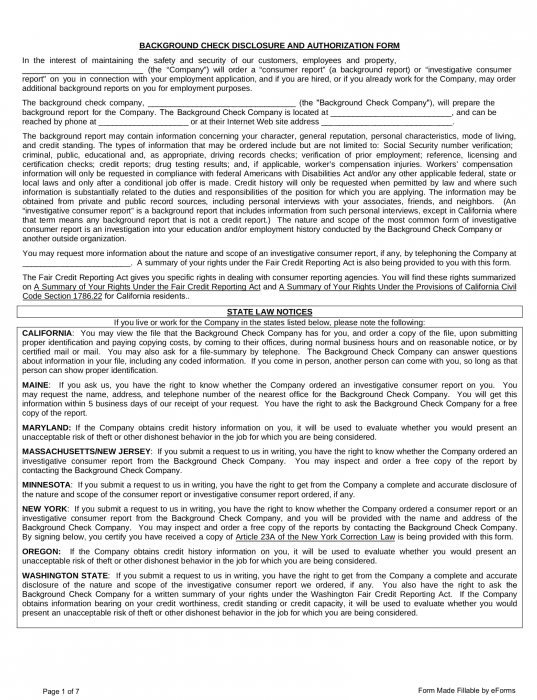
Pre-Employment (Criminal) Background Check Authorization Form

Full Conversation


If I have a non-violent drug felony conviction in Indiana expunged pursuant to section 7 of 35-38-9, can I honestly answer that I have not been convicted of a crime (assuming no other convictions, of course)? How will this interact with other states when applying for jobs, specifically New York, which I believe has a law against discriminating based on expunged convictions?

Lexi

Lexi, Chatbot

I understand that navigating the implications of an expunged conviction can be quite complex. Have you already initiated the expungement process in Indiana?

The expungement process is complete in Indiana. The conviction is expunged pursuant to section 7 of 35-38-9.

Lexi

Lexi, Chatbot

Are you currently seeking employment in New York or considering applying for jobs there in the near future?

I am considering applying for jobs there in the near future.

Lexi

Lexi, Chatbot

Is there anything else the Criminal Lawyer should know before I connect you? Rest assured they'll be able to help with your expunged conviction.

No.

Jon

Jon

Hello, and thank you for reaching out! I'm Jon, a licensed attorney with over 14 years of experience, here to help. I understand legal matters can feel overwhelming, but you're in good hands. My goal is to explain things clearly and guide you toward the best possible solution for your situation. Just a quick note: our conversation is for general legal information only and does not create an attorney-client relationship.

Jon

Jon

Could you share any specific concerns you have about how your expunged conviction might affect your job applications in New York?

I am specifically wondering: (1) if I can answer truthfully that I have not been convicted of a crime, and (2) if the information is still publicly available via searches, which I believe it is, whether it is legal for New York-based employers to discriminate for expunged convictions of this type.

Jon

Jon

To better understand your situation, could you share if you have any specific concerns about how New York employers might access or use your expunged conviction information?

I would be subject to a background check after the interview process.

Jon

Jon

Got it, thanks for sharing that. When you say background check, are you referring to a standard employment background check, or is there a specific type of check you're concerned about?

I am primarily interested in financial institutions, so a standard employment background check, not anything related to law enforcement or government work. However, I believe that felony convictions are generally automatic rejections for most financial institutions.

Jon

Jon

Understood! I believe I have all the information I need. Is there anything else you'd like to add before I start working on your answer? If not, I'll get started right away.

Nothing else at this time.

Jon

Jon

This situation sits at the intersection of Indiana's expungement system and New York's strong "fair chance" employment laws, and the practical outcome is generally more favorable than it first appears.

Under Indiana law, specifically Indiana Code § 35-38-9-10(e), a person whose record is expunged is treated as if they had never been convicted of the offense. This includes a conviction expunged with the records marked under Indiana Code § 35-38-9-7. In practice, that means when a job application asks whether you have been convicted of a crime, you are generally allowed to answer "no." Under Indiana Code § 35-38-9-10(d), applications may ask about criminal history only in terms that exclude expunged convictions.

Indiana law also prohibits employers from discriminating against you because of an expunged record (Indiana Code § 35-38-9-10(b)). The nuance in your situation is that under Section 7 expungement, the record is not fully hidden from the public. It remains publicly accessible but must be clearly marked as expunged (Indiana Code § 35-38-9-7(b)), even though its legal effect is significantly reduced.

When the job is in New York, additional protections apply, but it is important to rely on the right one. New York Executive Law § 296(16), part of the state Human Rights Law, makes it unlawful for most employers to ask about or act on records sealed under specific New York Criminal Procedure Law provisions. It does not mention expungements from other states, so it should not be relied on for an Indiana expungement. The statewide protection that does reach out-of-state convictions is Executive Law § 296(15) together with Correction Law Article 23-A. Article 23-A applies to convictions from New York or any other jurisdiction. It prohibits denying employment based on a prior conviction unless the offense is directly related to the job or hiring you would pose an unreasonable risk (Correction Law § 752). If the job is in New York City, the NYC Fair Chance Act goes further and bars most employers from asking about or considering convictions that were sealed or expunged.

Under Article 23-A, an employer that learns of a conviction must weigh specific factors before making a decision, such as how long ago the offense occurred, its relationship to the job, and evidence of rehabilitation. Your Indiana expungement is strong evidence in your favor. So even though a "marked as expunged" Indiana entry is not automatically off-limits under statewide New York law, a New York employer cannot lawfully treat it as an automatic disqualifier.

For financial institution jobs, federal law also comes into play. Under 12 U.S.C. § 1829, known as Section 19 of the Federal Deposit Insurance Act, a person convicted of an offense involving dishonesty, breach of trust, or money laundering generally cannot work for an FDIC-insured bank without FDIC consent. There are two important exceptions:

  • Expungement exception. Section 1829(c)(2) excludes an expunged or sealed conviction, but only if the order or the law under which it was issued intends the conviction to be destroyed or sealed from your record. A Section 7 Indiana expungement keeps the record public and marks it rather than sealing it, so this exception may not clearly apply.
  • Age-based exception. Section 1829(c)(1) excludes most offenses that occurred 7 or more years ago, or where 5 or more years have passed since release from incarceration. This will often cover a conviction old enough to qualify for Indiana expungement.

The FDIC's implementing rule is at 12 CFR 303.223(c). Whether a particular drug offense counts as a covered offense at all depends on its elements, so that is worth confirming as well.

Putting this together, Indiana law lets you answer that you have not been convicted in most job applications under Indiana Code § 35-38-9-10. In New York, statewide law under Executive Law § 296(15) and Correction Law Article 23-A prohibits employers from rejecting you based on the old conviction unless it is directly related to the job or poses an unreasonable risk. In New York City, the Fair Chance Act treats expunged convictions as off-limits. For banking and regulated financial roles, 12 U.S.C. § 1829 will often not apply because of its age-based exception, even if the expungement exception does not clearly cover a Section 7 expungement.

The only practical complication is that background check companies may still report a "marked as expunged" entry in some cases. If a New York employer improperly relied on that information to withdraw an offer, it would likely conflict with New York's employment protections, but it could still create a situation where you would need to actively challenge the decision to enforce your rights.

Jon

Jon

I just wanted to check in and see if you have any additional questions about the legal aspects of this issue. I'm here to help, so please feel free to reach out anytime if you need clarification or further guidance. While I might not be available immediately, I'll respond as quickly as I can when you do.

I don't have any additional questions at this time. Thank you for your help.

Jon

Jon

I do hope the information I provided was helpful and addressed your question. If there's anything else you need, please don't hesitate to reach out. I'm always happy to assist. Wishing you a fantastic day ahead!

Jon

Jon

556 satisfied customers

Jon
Welcome! Have a similar question?

12 lawyers online now

0:00

By messaging AskALawyer, you agree to our Terms and Privacy Policy.

Disclaimer


By messaging AskaLawyer.com, you agree to our Terms and have read our Privacy Policy.

The information provided on AskaLawyer.com is for general informational purposes only and does not constitute legal advice. While we strive to ensure the accuracy and timeliness of the information presented, we make no guarantees regarding its completeness or applicability to your specific circumstances.

Use of this website does not create an attorney-client relationship between you and AskaLawyer.com or any of its attorneys. Communications through this website, including any responses from attorneys, are not privileged or confidential. For advice tailored to your individual situation, we recommend consulting a licensed attorney in your jurisdiction.

AskaLawyer.com disclaims any liability for actions taken or not taken based on the content of this site. We are not responsible for any third-party content that may be accessed through this website. Reliance on any information provided herein is solely at your own risk.

Ask a Lawyer Logo
Ask a Lawyer Logo
Intake Questions
Step  of 3
Loading...

What's your legal question?

Lexi, Chatbot

How would you like your legal question to be answered?

Online

Loading...

How do you like to pay?

By proceeding with payment, you agree to our Terms and Privacy Policy. You authorize us to charge $ today and $ thereafter until canceled. You may cancel anytime in the My Account section to stop future charges.

Total Due:

After purchasing, your chat will begin with an attorney.

By proceeding with payment, you agree to our Terms and Privacy Policy. You authorize us to charge $ today and $ thereafter until canceled. You may cancel anytime in the My Account section to stop future charges.

Total Due:

After purchasing, your chat will begin with an attorney.

After connecting, your chat will begin with an attorney. After choosing, your chat will continue with Legal AI.

It looks like you already have an account with Ask a Lawyer.

We have sent you a magic link to . Click the link in your email to sign in and continue your chat.

spin

Step of 6 •

You'll receive an email at as soon as the lawyer joins the conversation 🙏🏻😊

Over 90% of lawyers connect within 5 minutes. If you're not online at that moment, don't worry — the lawyer will reply to your message while you're away.

You're also welcome to stay in the chat while waiting to be connected 💬✨

Waiting for lawyer

We couldn't send your message. Please try again.

Your lawyer will reply as soon as possible

If there’s a delay, please don’t worry. Your chat will stay open, and they’ll get back to you as soon as they can. There’s no rush on your end either. You’ll receive an email notification as soon as there’s a new message.

You've reached your AI chat limit

Upgrade your plan to continue chatting and get instant domain-specific answers.

0:00