[AZ] Can I be prosecuted for an altercation in Mexico?
When dealing with an altercation that occurred outside of the United States, particularly in Mexico, the general rule under international law and principles of jurisdiction is that criminal prosecution for the event would fall within the legal system of the country where the incident occurred—in this case, Mexico. The State of Arizona would not have jurisdiction to prosecute you for conduct that took place entirely within Mexico unless there were extraordinary circumstances, such as the offense having effects that crossed into U.S. territory, which is very rare for physical altercations abroad. Extradition between the U.S. and Mexico is governed by a bilateral treaty and is typically reserved for serious felony offenses like homicide or major drug trafficking, not minor physical altercations. However, if Mexican authorities were to initiate legal proceedings against you, it is important to understand that ignoring such proceedings could complicate future travel to Mexico. If there are no official charges filed in Mexico and the only concern is reputational harm through social media, then the issue remains a civil matter, not criminal, under both U.S. and Mexican law.
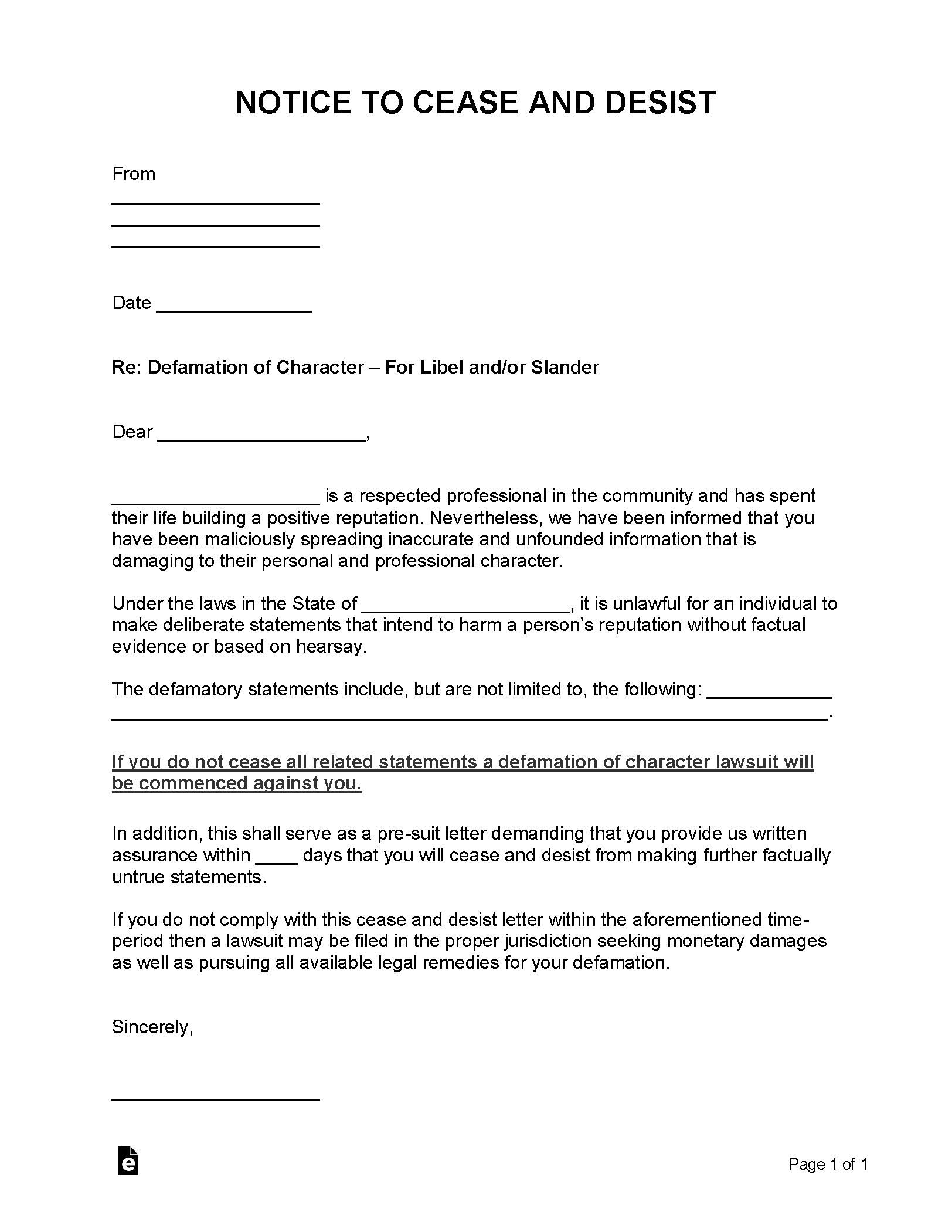
Regarding the social media posts spreading false claims about the incident, from a legal perspective, it is often advisable to avoid engaging directly with defamatory or inflammatory content without consulting legal counsel, particularly when emotions are running high and the statements may become evidence in any related proceedings. In both Arizona and Mexico, truth is a defense to defamation, and proving the falsity of claims is required to sustain a defamation suit. However, impulsively responding online could escalate the situation or be misconstrued as an admission of certain facts. Instead, it would be wise to document and preserve the posts as evidence, including screenshots and metadata, in the event you later decide to pursue a civil action for defamation or false light claims under Arizona law. If the posts continue or escalate to threats or harassment, you may also have grounds for a civil harassment restraining order in your home jurisdiction.
Does that make sense?
Full Conversation

I have questions about an altercation in a different country.

I’m sorry to hear about the altercation in a different country. Were you involved in the altercation personally?

Yes.

In which country did the altercation take place?

Mexico.

Is there anything else the lawyer should know before I connect you? Rest assured they’ll be able to help with altercation in Mexico.

No.

Good afternoon and welcome to AskaLawyer. Please give me a moment to review your question.

Thanks. If I get into an altercation as a tourist in Mexico, can I be prosecuted in Arizona? Something about it was posted on social media, but no videos of the actual altercation.

When dealing with an altercation that occurred outside of the United States, particularly in Mexico, the general rule under international law and principles of jurisdiction is that criminal prosecution for the event would fall within the legal system of the country where the incident occurred—in this case, Mexico. The State of Arizona would not have jurisdiction to prosecute you for conduct that took place entirely within Mexico unless there were extraordinary circumstances, such as the offense having effects that crossed into U.S. territory, which is very rare for physical altercations abroad. Extradition between the U.S. and Mexico is governed by a bilateral treaty and is typically reserved for serious felony offenses like homicide or major drug trafficking, not minor physical altercations. However, if Mexican authorities were to initiate legal proceedings against you, it is important to understand that ignoring such proceedings could complicate future travel to Mexico. If there are no official charges filed in Mexico and the only concern is reputational harm through social media, then the issue remains a civil matter, not criminal, under both U.S. and Mexican law.
Regarding the social media posts spreading false claims about the incident, from a legal perspective, it is often advisable to avoid engaging directly with defamatory or inflammatory content without consulting legal counsel, particularly when emotions are running high and the statements may become evidence in any related proceedings. In both Arizona and Mexico, truth is a defense to defamation, and proving the falsity of claims is required to sustain a defamation suit. However, impulsively responding online could escalate the situation or be misconstrued as an admission of certain facts. Instead, it would be wise to document and preserve the posts as evidence, including screenshots and metadata, in the event you later decide to pursue a civil action for defamation or false light claims under Arizona law. If the posts continue or escalate to threats or harassment, you may also have grounds for a civil harassment restraining order in your home jurisdiction.
Does that make sense?

Thanks.

Have a great day.