Do I take my wife's name off the title when we divorce?
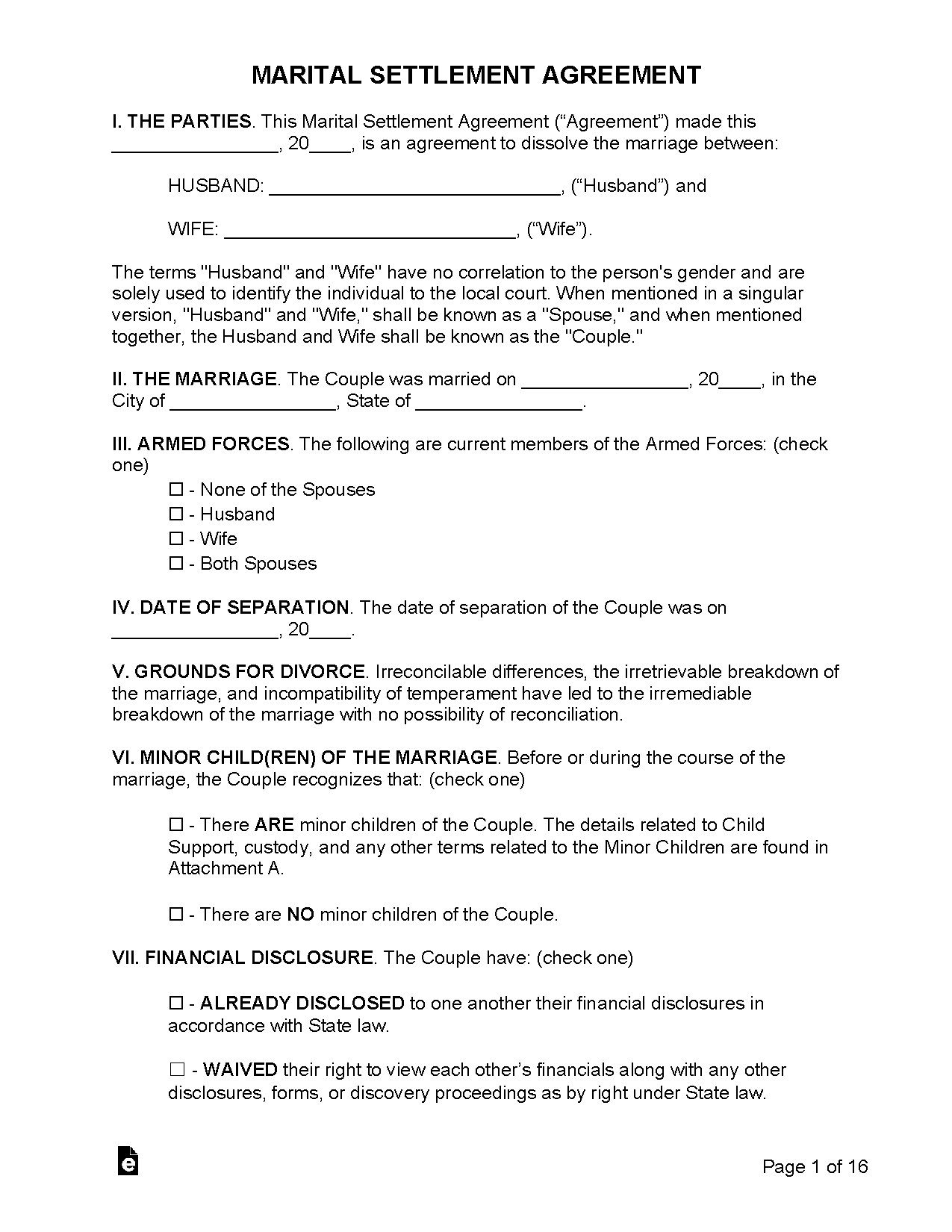
The short answer? You don’t need to file a quit claim deed if your wife’s name isn’t on the title and you both agree (in writing) that she’s not claiming any interest in the home. Including this agreement clearly in your divorce paperwork is enough to protect you. As long as the divorce judgment clearly states she’s waiving any claim, you’re good to go.
That’s the short answer.
Here’s the long answer: Your wife’s name is not on the title, so legally, she doesn’t have ownership recorded on the deed. Even though you were married and filed taxes jointly, her claim to the home would depend on whether it’s considered marital property in your state.
From what you shared, it sounds like the home was purchased before marriage and is separate property, unless you actively converted it to marital property (like adding her to the deed or using marital funds to pay down the mortgage substantially).
Because you both agree she won’t claim any interest, and this is going into your divorce filing, that’s typically enough. The court order will serve as a binding agreement confirming she has no claim.
A quit claim deed is only needed if she had some ownership interest already recorded, which isn’t the case here. Your tax preparer might be thinking about potential community or marital property laws, but if she’s not on title and you’ve kept it separate, the final court order confirming no claim is what matters most.
So, as long as your divorce paperwork clearly states that she waives any interest in the home and the court signs off, you don’t need to do anything further with a quit claim deed. Does that help clarify things? I want to make sure I didn’t leave anything out.
Full Conversation

I am getting a divorce. My wife’s name is not on the title of the home. Do I need to file a quit claim deed?

I understand that going through a divorce can be very challenging. Have you and your wife discussed the division of assets, including the home?

Yes

Are there any children involved in this divorce that may affect the property settlement?

No

Is there anything else the family lawyer should know before I connect you? Rest assured they’ll be able to help with your property division.

No

Hello! My name is Michael, and I'm an attorney ready to help! Your responses matter to me, so I only need a few minutes to review and respond to each of your posts.
Has the court or your divorce agreement already determined how the home will be divided, or do you and your wife have an agreement about whether she will have any financial claim to it despite her name not being on the title?

My wife and I agree that she will not claim the house.

Ok thanks! Just a few more questions.
Awesome that you both agree. Has this agreement about the house been put in writing in your divorce settlement or judgment yet?

The agreement will be written into the divorce application that will be filed in a few days.

My question is… is that enough or do I need to also file a quit claim deed?

Ok! Did you need to tell me anything else? If not, I can start with answering your question.

By the way, my wife’s name is not on the title. She has rights to the property that I bought before our marriage because we did our taxes jointly married — that’s my tax preparer’s opinion.

No problem! I’ll certainly address that. Anything else you'd like to add that you think is relevant before I answer?

No other questions.

Ok! I just need a little time to draft up a high-quality answer. I'll be with you as soon as possible. It won't be terribly long, ok?

Ok, thank you.

I'm so sorry about this situation! I want to address your situation with a detailed response, so if you have any questions, don’t hesitate to ask because this law stuff can get complicated.

The short answer? You don’t need to file a quit claim deed if your wife’s name isn’t on the title and you both agree (in writing) that she’s not claiming any interest in the home. Including this agreement clearly in your divorce paperwork is enough to protect you. As long as the divorce judgment clearly states she’s waiving any claim, you’re good to go.
That’s the short answer.
Here’s the long answer: Your wife’s name is not on the title, so legally, she doesn’t have ownership recorded on the deed. Even though you were married and filed taxes jointly, her claim to the home would depend on whether it’s considered marital property in your state.
From what you shared, it sounds like the home was purchased before marriage and is separate property, unless you actively converted it to marital property (like adding her to the deed or using marital funds to pay down the mortgage substantially).
Because you both agree she won’t claim any interest, and this is going into your divorce filing, that’s typically enough. The court order will serve as a binding agreement confirming she has no claim.
A quit claim deed is only needed if she had some ownership interest already recorded, which isn’t the case here. Your tax preparer might be thinking about potential community or marital property laws, but if she’s not on title and you’ve kept it separate, the final court order confirming no claim is what matters most.
So, as long as your divorce paperwork clearly states that she waives any interest in the home and the court signs off, you don’t need to do anything further with a quit claim deed. Does that help clarify things? I want to make sure I didn’t leave anything out.

I did use my income during our marriage to pay for the home’s mortgage for 10 years, so that makes the property marital property per your explanation. But if she won’t claim the property and it is stated in the divorce filing, then that is enough for her to not come back years later claiming part of the property, correct?

The short answer? Yes. Even though paying the mortgage with marital income can make the home partly marital property, if she clearly waives her interest in writing in the divorce judgment, that’s enough to protect you. Once the court approves that agreement, she can’t come back later and claim a share. Just make sure the waiver is clearly spelled out in the final divorce paperwork.

Thank you so much, this clears up my questions.

Have a wonderful day.

For sure! Did I thoroughly address your question? Did I provide top-tier service to you? If the answer is no to either, please let me know so I can help!

You did amazing. Very professional. Thank you, Michael.

Sure! I hope I’ve provided the information you were seeking. If you need more help, please let me know so I can continue to assist you.