[NC] Can an employer share your personal contact info and direct off-duty patient pickup?

Dan
Dan

30,122 satisfied customers

View context
Solved

In North Carolina, key laws like HIPAA protect patient health information but also extend to confidential communications in behavioral health settings under NCGS Chapter 122C, which limits how facilities share details internally and requires safeguards for employee privacy during client care. These rules aim to prevent exactly this kind of misuse, where your contact info was disclosed without consent, potentially violating privacy standards. Let's walk through some practical next steps to protect you.

One solid option is to formally document everything with HR and request a full internal investigation. Legally, this creates a paper trail showing you acted in good faith based on the clinician's assurance that the patient was competent, despite the methamphetamine and crack influence, which could mitigate any policy violation claim against you under North Carolina's at-will employment rules. Start by emailing HR today with a timeline: note the Saturday December 27 crisis call, your off-duty status, the speakerphone directive, and the false patient claim about living with you. This matters because it highlights the facility's role in sharing your info and pressuring you, shifting focus from your actions to their breach. It's a low-risk way to defend yourself while pushing for accountability.

Another step is to file a privacy complaint focusing on the unauthorized disclosure of your personal cell number. North Carolina recognizes potential claims like intrusion upon seclusion for unwanted sharing of employee contact details, especially in healthcare where HIPAA and state laws curb unnecessary releases. Contact the facility's privacy officer or HIPAA compliance team in writing, demanding an explanation of how they accessed and used your number without consent, and request they confirm it won't happen again. This is crucial in your behavioral health context, as it protects against repeats and could reveal policy gaps. Begin with a simple certified letter or email citing NCGS 122C-158 on personnel record privacy.

You could also explore reporting the clinician's impaired patient assessment externally for patient safety. In North Carolina behavioral health facilities, professionals must accurately evaluate decision-making capacity, and directing an off-duty staffer to take home a drug-impaired client raises care standard issues under state regs. Reach out to the North Carolina Division of Health Service Regulation or your licensing board with the facts, emphasizing the speakerphone involvement. This weighs in your favor by framing you as a concerned professional, not a violator, though it carries some workplace tension. To start, gather any notes from your HR meeting today and submit anonymously if possible.

I recommend beginning with the HR documentation and privacy complaint, as they directly address both your potential discipline and the facility's info-sharing error without escalating immediately. These build your defense in the at-will environment while keeping things internal where you've already engaged.

0

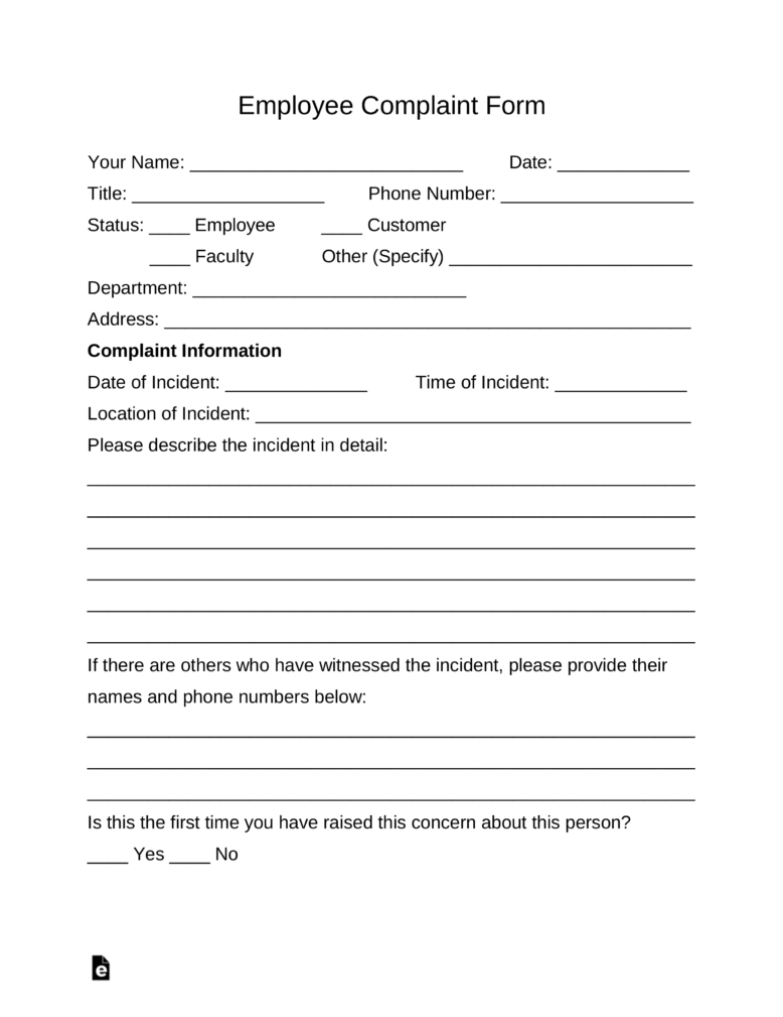
Employee Complaint Form

Full Conversation


Work place conduct violation question

Lexi

Lexi, Chatbot

I understand that workplace conduct violations can be very concerning. Can you please describe the specific violation you are experiencing or have witnessed?

My work at a behavioral health facility has a policy of not allowing patients, past or present, to be taken to my home. A patient called mobile crisis and was taken to Neil Dobbins. The clinician who examined the patient contacted me by my personal cell phone and told me to come get the patient. The clinician stated the patient was within his right mind to make decisions, although he was not, since the patient was under the influence of methamphetamine and crack for 3 days.

What issues can I face?

Can I file anything against the facility for giving out my personal contact information?

Lexi

Lexi, Chatbot

How long has this issue been occurring, and have you reported it to anyone in your organization?

Crisis intervention was Saturday, December 27th. Meeting with my HR occurred today.

Lexi

Lexi, Chatbot

Is there anything else the Employment Lawyer should know before I connect you? Rest assured they’ll be able to help with your workplace conduct violation.

State is North Carolina

Dan

Dan

Hello. My name is Daniel, and I’ve been a licensed attorney for over 22 years. I’m sorry you’re dealing with this situation, and I’ll do everything I can to help.

You mentioned a workplace conduct violation involving a patient and your personal contact information being shared. Could you please provide more details about any actions you've considered taking against the facility?

I was contacted by mobile crisis to come pick up and take home a former patient of the facility where I work. The clinician evaluated the patient, who was on meth and crack for 3 days, and stated he was within his right mind to make decisions.

Dan

Dan

Thanks for sharing more details. It sounds like a difficult situation.

Could you tell me if there were any witnesses to the clinician's request for you to pick up the patient?

I was not on call or working. I trusted the judgment of the clinician and came to get the patient. The patient stated he lives with me, which is false.

Mobile crisis and the clinician obtained my contact information without my consent and put me on speakerphone with the patient and clinician, telling me to come get the patient.

Dan

Dan

Thank you for clarifying that. That’s very helpful and gives me a much better understanding. I’m putting together your answer and I expect to have it to you very shortly.

Dan

Dan

I truly appreciate you sharing the details of this upsetting incident, and I'm sorry you're going through this stress after trusting your colleague's judgment off-duty. It sounds incredibly frustrating and confusing that mobile crisis and the clinician obtained your personal cell phone number without your permission, put you on speaker with the impaired patient, and directed you to pick him up, even though your facility's policy strictly prohibits taking patients to your home.

Dan

Dan

In North Carolina, key laws like HIPAA protect patient health information but also extend to confidential communications in behavioral health settings under NCGS Chapter 122C, which limits how facilities share details internally and requires safeguards for employee privacy during client care. These rules aim to prevent exactly this kind of misuse, where your contact info was disclosed without consent, potentially violating privacy standards. Let's walk through some practical next steps to protect you.

One solid option is to formally document everything with HR and request a full internal investigation. Legally, this creates a paper trail showing you acted in good faith based on the clinician's assurance that the patient was competent, despite the methamphetamine and crack influence, which could mitigate any policy violation claim against you under North Carolina's at-will employment rules. Start by emailing HR today with a timeline: note the Saturday December 27 crisis call, your off-duty status, the speakerphone directive, and the false patient claim about living with you. This matters because it highlights the facility's role in sharing your info and pressuring you, shifting focus from your actions to their breach. It's a low-risk way to defend yourself while pushing for accountability.

Another step is to file a privacy complaint focusing on the unauthorized disclosure of your personal cell number. North Carolina recognizes potential claims like intrusion upon seclusion for unwanted sharing of employee contact details, especially in healthcare where HIPAA and state laws curb unnecessary releases. Contact the facility's privacy officer or HIPAA compliance team in writing, demanding an explanation of how they accessed and used your number without consent, and request they confirm it won't happen again. This is crucial in your behavioral health context, as it protects against repeats and could reveal policy gaps. Begin with a simple certified letter or email citing NCGS 122C-158 on personnel record privacy.

You could also explore reporting the clinician's impaired patient assessment externally for patient safety. In North Carolina behavioral health facilities, professionals must accurately evaluate decision-making capacity, and directing an off-duty staffer to take home a drug-impaired client raises care standard issues under state regs. Reach out to the North Carolina Division of Health Service Regulation or your licensing board with the facts, emphasizing the speakerphone involvement. This weighs in your favor by framing you as a concerned professional, not a violator, though it carries some workplace tension. To start, gather any notes from your HR meeting today and submit anonymously if possible.

I recommend beginning with the HR documentation and privacy complaint, as they directly address both your potential discipline and the facility's info-sharing error without escalating immediately. These build your defense in the at-will environment while keeping things internal where you've already engaged.

Dan

Dan

Please let me know if these options make sense to you. I am happy to explain anything further. It's important to me that you fully understand your choices.

My work has a policy that states a violation is taking the people we support to an employee’s house or house of family/friends of employee.

There is no policy stating employees cannot have relations with patients past or present outside of facility.

Dan

Dan

I think our messages may have just crossed each other. Please let me know if you received it. If it's not showing on your end, please just let me know and I will resend it. Thanks.

I have it, thank you. I will read now.

Dan

Dan

Perfect, thank you! I just want to make sure everything is clear and that you’re comfortable with the information I’ve provided. Is there anything you’d like me to clarify or any other questions you’d like to ask? If everything makes sense, you can simply reply "all clear." Thank you, and please don’t hesitate to let me know if you need anything else.

The clinician was not impaired under meth and crack. Only the patient was.

The clinician stated the patient, who was under the influence of meth and crack for 3 days, was "within his right mind to make decisions for himself," although the patient was also suicidal and hallucinating.

Dan

Dan

Got it. Answer stands.

Can you give me a rough draft of how I could write this up?

Dan

Dan

Here is a rough draft:

Subject: Formal Report and Request for Investigation - Incident on December 27, 2025 Involving Unauthorized Disclosure of Personal Contact Information and Policy Concerns

Dear [HR Representative's Name or HR Department],

I am writing to formally document an incident that occurred on Saturday, December 27, 2025, and to request a full internal investigation into potential violations of facility policy, employee privacy, and patient care standards under North Carolina law, including NCGS Chapter 122C. On that date, while off-duty and not on call, I received a call on my personal cell phone from a clinician at [Facility Name or Neil Dobbins Center] via Mobile Crisis services. The clinician had evaluated a former patient who was actively under the influence of methamphetamine and crack cocaine for three days, presenting as suicidal and hallucinating, yet claimed the patient was "within his right mind to make decisions." The clinician placed me on speakerphone with the patient—who falsely stated he lives with me—and directed me to pick him up and take him home, despite our clear facility policy prohibiting staff from taking current or former patients to an employee's home or that of family/friends.

This directive placed me in a difficult position, as I trusted the clinician's professional judgment and acted in good faith to ensure patient safety, unaware of the full impairment details at the time. Importantly, Mobile Crisis and the clinician obtained and disclosed my personal cell phone number without my consent, which appears to violate employee privacy protections and safeguards for confidential communications in behavioral health settings under NCGS 122C-158 and related provisions limiting unnecessary releases of personnel information. No policy authorizes such sharing, and this unauthorized disclosure exposed me to potential liability while off-duty.

I request the following: (1) a thorough investigation into how my personal contact information was accessed and shared, including confirmation it will not recur; (2) review of the clinician's capacity assessment for the impaired, suicidal patient, potentially reportable to the North Carolina Division of Health Service Regulation for patient safety concerns; and (3) clarification on any disciplinary action against me, emphasizing my off-duty status and reliance on the clinician's directive under North Carolina's at-will employment framework. Please provide a written response within [e.g., 10 business days] outlining findings and corrective actions. I am available to discuss or provide additional details.

Thank you for your prompt attention. I value our team's commitment to ethical care and look forward to resolution.

I will read them now.

Dan

Dan

Perfect, thank you!

They are asking me to provide an investigation statement. Can I use that for it as well? Dual purpose?

Dan

Dan

No harm in trying and seeing if it will be accepted.

Dan

Dan

30,122 satisfied customers

Dan
Welcome! Have a similar question?

12 lawyers online now

0:00

By messaging AskALawyer, you agree to our Terms and Privacy Policy.

Disclaimer


By messaging AskaLawyer.com, you agree to our Terms and have read our Privacy Policy.

The information provided on AskaLawyer.com is for general informational purposes only and does not constitute legal advice. While we strive to ensure the accuracy and timeliness of the information presented, we make no guarantees regarding its completeness or applicability to your specific circumstances.

Use of this website does not create an attorney-client relationship between you and AskaLawyer.com or any of its attorneys. Communications through this website, including any responses from attorneys, are not privileged or confidential. For advice tailored to your individual situation, we recommend consulting a licensed attorney in your jurisdiction.

AskaLawyer.com disclaims any liability for actions taken or not taken based on the content of this site. We are not responsible for any third-party content that may be accessed through this website. Reliance on any information provided herein is solely at your own risk.

Ask a Lawyer Logo
Ask a Lawyer Logo
Intake Questions
Step  of 3
Loading...

Lexi, Chatbot

How would you like your legal question to be answered?

Online

Legal AI

Using ChatGPT 4o

Loading...

How do you like to pay?

By proceeding with payment, you agree to our Terms and Privacy Policy. You authorize us to charge $ today and $ thereafter until canceled. You may cancel anytime in the My Account section to stop future charges.

Total Due:

After purchasing, your chat will begin with an attorney.

By proceeding with payment, you agree to our Terms and Privacy Policy. You authorize us to charge $ today and $ thereafter until canceled. You may cancel anytime in the My Account section to stop future charges.

Total Due:

After purchasing, your chat will begin with an attorney.

After connecting, your chat will begin with an attorney.

After choosing, your chat will continue with Legal AI.

It looks like you already have an account with Ask a Lawyer.

We have sent you a magic link to . Click the link in your email to sign in and continue your chat.

spin

Step of 6 •

You'll receive an email at as soon as the lawyer joins the conversation 🙏🏻😊

Over 90% of lawyers connect within 5 minutes. If you're not online at that moment, don't worry — the lawyer will reply to your message while you're away.

You're also welcome to stay in the chat while waiting to be connected 💬✨

Waiting for lawyer

0:00