Hi Melissa! I have several legal concerns I’d like to outline with you.
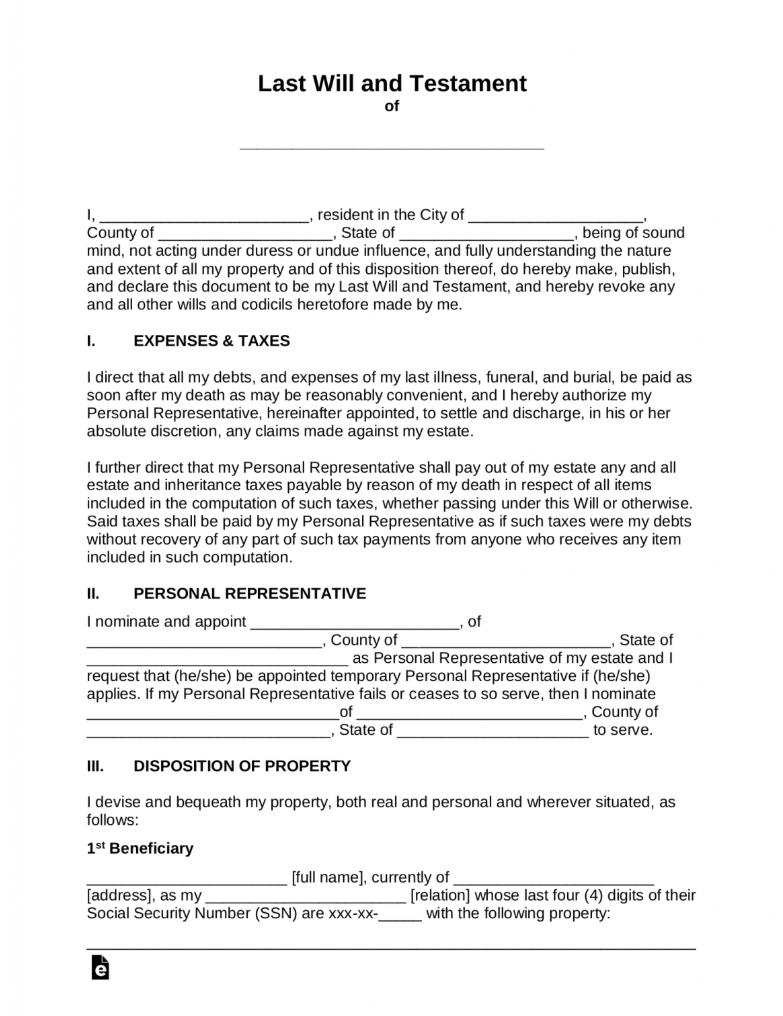
1. Disposition of personal property
- How can I legally direct that all tangible personal property (including clothing, jewelry, art, electronics, vehicle, sentimental items, and any other personal effects) passes solely to my mother upon my death?
- Should this be handled through:
- A will,
- A personal property memorandum incorporated by reference,
- Or both?
- Is it advisable to keep personal property instructions consolidated within formal estate documents rather than separate letters?
2. Status of an existing “declaration of property” letter
- I have drafted a “declaration of property” letter that I intended to send to my father, along with a preceding good-faith letter.
- Should I:
- Proceed with sending these letters,
- Hold them until after formal documents are executed,
- Or replace them entirely with legally binding instruments?
- Could sending such letters before formal execution create ambiguity or risk later challenges?
3. Express disinheritance / exclusion of a specific heir
- How can I explicitly and affirmatively exclude my sister from:
- Inheriting any property or assets,
- Receiving any proceeds (directly or indirectly),
- Exercising any control, influence, or access related to my estate?
- What language best minimizes ambiguity and reduces the risk of challenge under state law?
4. Authority to dispose of property
- How can I grant my mother full discretionary authority to:
- Retain items for personal use,
- Offer items to my friends at her discretion,
- Pawn, resell, donate, or auction remaining property?
- How can this authority be protected from interference by excluded parties?
5. Allocation and ownership of proceeds
- How should documents clarify that all proceeds from sale, pawn, resale, donation credit, or auction:
- Belong solely to my mother?
- How do we ensure proceeds are not treated as part of a distributable residue to other heirs?
6. Non-binding wishes for use of proceeds
- I have personal wishes regarding how my mother may use proceeds (e.g., charitable donations, creative projects, professional assistance, supporting her quality of life).
- How can these be included as non-binding expressions of intent (not fiduciary obligations)?
- Should these wishes be placed in:
- A letter of wishes,
- An informal attachment,
- Or excluded from the will entirely?
7. Use of proceeds for personal benefit
- How can I explicitly authorize my mother to:
- Use proceeds for her own living expenses and quality of life,
- Support herself and her partner at her discretion,
- Voluntarily assist with paying off my medical or student debt if she chooses?
- How can documents prevent any requirement that funds or records be preserved, tracked, or justified to other family members?
8. Payment of debts and estate expenses
- How are lawful debts (including medical and student debt) typically paid from estate assets?
- How can we ensure:
- Debt payment does not override my exclusions,
- No excluded party gains access or benefit through the debt-payment process?
- I own a fully paid vehicle; can this pass directly to my mother along with other personal property?
9. Executor authority and enforcement
- Should my mother:
- Serve as executor, or
- Be sole beneficiary with a neutral executor?
- What structure best minimizes conflict and ensures enforcement of exclusions?
- What powers should the executor have to prevent interference by disinherited parties?
10. No-contest / anti-challenge clause
- Is a no-contest (in terrorem) clause advisable in my state?
- How enforceable are such clauses?
- Should my sister be expressly named in such a clause?
11. Funeral and post-death control
- Should exclusion of my sister extend to:
- Funeral arrangements,
- Disposition of remains,
- Post-death decision-making?
- Is a separate funeral agent / disposition of remains designation required?
- What steps ensure excluded parties have no involvement or access?
12. Capacity and intent safeguards
- What language should be included to confirm:
- Capacity at time of execution,
- Voluntary intent,
- Absence of coercion or undue influence?
- Are there recommended safeguards (e.g., witnesses, medical confirmation) to reduce vulnerability to later challenge
13. Healthcare decision-making if incapacitated
- How should I structure a healthcare power of attorney so that:
- My mother and father have decision-making authority if I am mentally incapacitated?
- Should this be:
- Joint authority, or
- Primary/secondary authority?
- Can mental-health-specific instructions be included?
14. Medical records access (while alive and after death)
- How can I authorize my mother to have decision-making authority and appropriate access to my medical records:
- While I am alive but incapacitated,
- And after death?
- How can access be limited to necessary medical information without full disclosure of psychotherapy notes, if desired?
15. Life insurance (where I am not the policyholder)
- I believe I am not the policyholder on an existing life insurance policy on my life.
- What (if anything) can be done to:
- Understand how this policy interacts with my estate plan,
- Ensure my sister does not indirectly benefit?
- Should my estate planning assume this policy is outside my control?
16. Coordination and next steps
- Which documents are essential vs. optional for my situation?
- In what order should they be executed?
- Should any informal letters be sent after execution, and if so, how should they be labeled to avoid legal effect?

 Solved
 Create Document


 27
27
 12
12