How do I prove my life insurance policies are exempt from trust registration when surrendering them for cash value?

Jon
Jon

556 satisfied customers

View context
Solved

When an insurance company asks for “proof of exemption” before allowing you to surrender a policy, it is usually because of anti-money-laundering and tax transparency rules that financial institutions must follow. Many insurers are classified as reporting financial institutions, meaning they must document certain transactions and verify whether any reporting obligations apply. These requirements often come from international frameworks such as the Foreign Account Tax Compliance Act and the Common Reporting Standard, along with similar national laws designed to prevent tax evasion and money laundering.

Because of these rules, insurers sometimes need to determine whether a policy is connected to a trust. Even if the policy is in your personal name, certain arrangements—such as a policy that was “written in trust” or one where the beneficiary designation operates like a trust structure—can cause the law to treat it as a separate legal entity. When that possibility exists, the insurer must check whether the trust should be registered with a government registry.

This issue often comes up when a policy is surrendered for cash. While a life insurance policy is active and functioning purely as protection, some trust arrangements qualify for regulatory exemptions. Once the policy is converted to cash, however, those exemptions may no longer apply, so the insurer has to confirm whether the trust must be registered or whether it still qualifies for an exemption.

In many jurisdictions, certain types of arrangements are commonly exempt. Pure protection policies—such as term life policies with no investment component and no surrender value—are often treated differently because they only pay out upon death or disability. Some countries also exempt very small or “low-value” trusts, or trusts that hold nothing more than a life insurance policy until it pays out or is surrendered.

When insurers ask for “proof of exemption,” they are usually not expecting an official government certificate. Governments rarely issue certificates for things they do not track. In most cases, what they want is a self-certification confirming that the policy or any related trust arrangement falls within an exemption under the applicable law.

The practical approach is to confirm the type of policy you have and then ask the insurer whether they have a standard exemption or self-declaration form. Many companies provide a short form specifically for situations where a trust does not need to be registered. If they do not, you can normally provide a signed statement confirming that the policy is held personally and that any related trust arrangement qualifies as an excluded or non-registrable trust under the applicable AML or tax reporting rules.

If the policy is connected to a country with a formal trust register, the insurer may also want you to reference the specific legal exemption. For example, in the UK, certain excluded trusts are defined under Schedule 3A of the Money Laundering, Terrorist Financing and Transfer of Funds (Information on the Payer) Regulations 2017. The exact wording the insurer expects usually depends on the country linked to the policy, but in most cases, a clear written declaration referencing the relevant exemption is enough to satisfy the request.

0

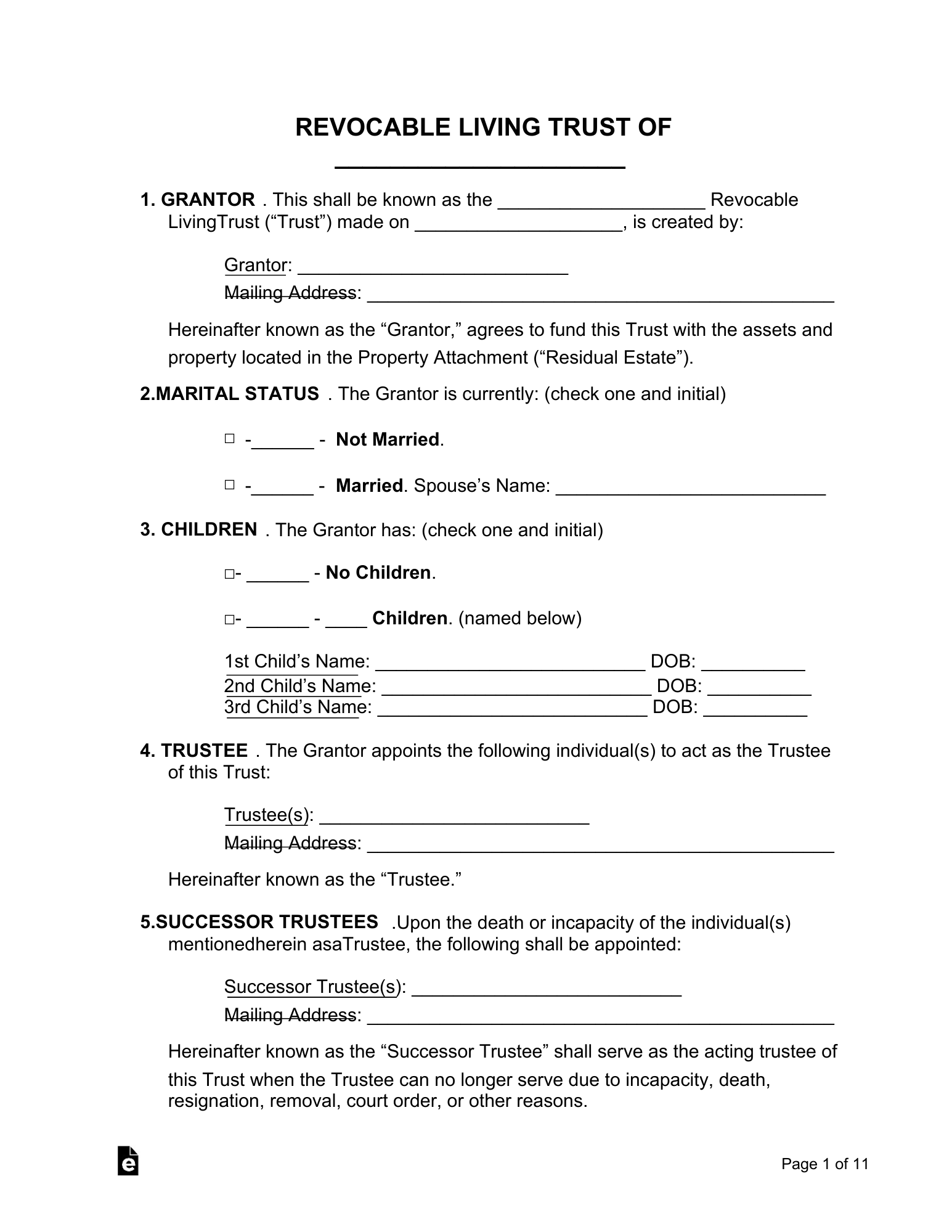
Living Trust Form (Revocable)

Full Conversation


I have 2 life policies which I am trying to surrender, but I do not know if they are exempt from registering them as a trust.

Lexi

Lexi, Chatbot

I understand that navigating life policies and trusts can be confusing. Can you tell me if these life policies are currently held in your name or under a trust?

In my name.

Lexi

Lexi, Chatbot

Have you already contacted the insurance companies regarding the surrender process for these policies?

Yes, but they are asking for proof that they are exempt from registration.

Lexi

Lexi, Chatbot

Is there anything else the Lawyer should know before I connect you? Rest assured they'll be able to help with your life policy exemption.

No.

Jon

Jon

Hello, and thank you for reaching out! I’m Jon, a licensed attorney with over 13 years of experience, here to help.

I understand legal matters can feel overwhelming, but you’re in good hands. My goal is to explain things clearly and guide you toward the best possible solution for your situation.

Just a quick note: our conversation is for general legal information only and does not create an attorney-client relationship.

Jon

Jon

When an insurance company asks for “proof of exemption” before allowing you to surrender a policy, it is usually because of anti-money-laundering and tax transparency rules that financial institutions must follow. Many insurers are classified as reporting financial institutions, meaning they must document certain transactions and verify whether any reporting obligations apply. These requirements often come from international frameworks such as the Foreign Account Tax Compliance Act and the Common Reporting Standard, along with similar national laws designed to prevent tax evasion and money laundering.

Because of these rules, insurers sometimes need to determine whether a policy is connected to a trust. Even if the policy is in your personal name, certain arrangements—such as a policy that was “written in trust” or one where the beneficiary designation operates like a trust structure—can cause the law to treat it as a separate legal entity. When that possibility exists, the insurer must check whether the trust should be registered with a government registry.

This issue often comes up when a policy is surrendered for cash. While a life insurance policy is active and functioning purely as protection, some trust arrangements qualify for regulatory exemptions. Once the policy is converted to cash, however, those exemptions may no longer apply, so the insurer has to confirm whether the trust must be registered or whether it still qualifies for an exemption.

In many jurisdictions, certain types of arrangements are commonly exempt. Pure protection policies—such as term life policies with no investment component and no surrender value—are often treated differently because they only pay out upon death or disability. Some countries also exempt very small or “low-value” trusts, or trusts that hold nothing more than a life insurance policy until it pays out or is surrendered.

When insurers ask for “proof of exemption,” they are usually not expecting an official government certificate. Governments rarely issue certificates for things they do not track. In most cases, what they want is a self-certification confirming that the policy or any related trust arrangement falls within an exemption under the applicable law.

The practical approach is to confirm the type of policy you have and then ask the insurer whether they have a standard exemption or self-declaration form. Many companies provide a short form specifically for situations where a trust does not need to be registered. If they do not, you can normally provide a signed statement confirming that the policy is held personally and that any related trust arrangement qualifies as an excluded or non-registrable trust under the applicable AML or tax reporting rules.

If the policy is connected to a country with a formal trust register, the insurer may also want you to reference the specific legal exemption. For example, in the UK, certain excluded trusts are defined under Schedule 3A of the Money Laundering, Terrorist Financing and Transfer of Funds (Information on the Payer) Regulations 2017. The exact wording the insurer expects usually depends on the country linked to the policy, but in most cases, a clear written declaration referencing the relevant exemption is enough to satisfy the request.

Jon

Jon

556 satisfied customers

Jon
Welcome! Have a similar question?

12 lawyers online now

0:00

By messaging AskALawyer, you agree to our Terms and Privacy Policy.

Disclaimer


By messaging AskaLawyer.com, you agree to our Terms and have read our Privacy Policy.

The information provided on AskaLawyer.com is for general informational purposes only and does not constitute legal advice. While we strive to ensure the accuracy and timeliness of the information presented, we make no guarantees regarding its completeness or applicability to your specific circumstances.

Use of this website does not create an attorney-client relationship between you and AskaLawyer.com or any of its attorneys. Communications through this website, including any responses from attorneys, are not privileged or confidential. For advice tailored to your individual situation, we recommend consulting a licensed attorney in your jurisdiction.

AskaLawyer.com disclaims any liability for actions taken or not taken based on the content of this site. We are not responsible for any third-party content that may be accessed through this website. Reliance on any information provided herein is solely at your own risk.

Ask a Lawyer Logo
Ask a Lawyer Logo
Intake Questions
Step  of 3
Loading...

What's your legal question?

Lexi, Chatbot

How would you like your legal question to be answered?

Online

Legal AI

Using ChatGPT 4o

Loading...

How do you like to pay?

By proceeding with payment, you agree to our Terms and Privacy Policy. You authorize us to charge $ today and $ thereafter until canceled. You may cancel anytime in the My Account section to stop future charges.

Total Due:

After purchasing, your chat will begin with an attorney.

By proceeding with payment, you agree to our Terms and Privacy Policy. You authorize us to charge $ today and $ thereafter until canceled. You may cancel anytime in the My Account section to stop future charges.

Total Due:

After purchasing, your chat will begin with an attorney.

After connecting, your chat will begin with an attorney. After choosing, your chat will continue with Legal AI.

It looks like you already have an account with Ask a Lawyer.

We have sent you a magic link to . Click the link in your email to sign in and continue your chat.

spin

Step of 6 •

You'll receive an email at as soon as the lawyer joins the conversation 🙏🏻😊

Over 90% of lawyers connect within 5 minutes. If you're not online at that moment, don't worry — the lawyer will reply to your message while you're away.

You're also welcome to stay in the chat while waiting to be connected 💬✨

Waiting for lawyer

We couldn't send your message. Please try again.

Your lawyer will reply as soon as possible

If there’s a delay, please don’t worry. Your chat will stay open, and they’ll get back to you as soon as they can. There’s no rush on your end either. You’ll receive an email notification as soon as there’s a new message.

You've reached your AI chat limit

Upgrade your plan to continue chatting and get instant domain-specific answers.

0:00