[CA] Can I get a restraining order during divorce if my spouse keeps coming to the home unannounced after moving out?

Andrew F., Esq.
Andrew F., Esq.

42 satisfied customers

View context
Solved

It makes complete sense that you’re feeling overwhelmed and looking for clarity, because California law draws an important distinction between:

  1. a domestic violence restraining order (DVRO) under the Domestic Violence Prevention Act, and (CA Fam Code § 6340)
  2. a civil occupancy or exclusive use order issued by the family court during a pending divorce. (CA Fam Code § 6321)

The legal question is not whether your husband is a co-owner—he is—but whether his conduct constitutes “abuse” or creates a legally recognized threat to your safety, peace, or emotional well-being. Under Family Code (CA Fam Code § 6203) and (CA Fam Code § 6320), “abuse” includes not only physical harm but also harassment, disturbing the peace, coercive control, or conduct that destroys the mental or emotional calm of the other party.

If his repeated unannounced entries, refusal to respect boundaries, and intentional disregard of your requests are causing serious anxiety or emotional distress, that can satisfy the statutory definition of “disturbing the peace,” which California courts have held is enough to support a DVRO—even where the parties are married, co-own property, and there is no physical violence.

The key issue is whether his conduct has crossed the threshold into interference with your mental calm and sense of security, not simply whether he pays half the mortgage. However, because you are in the early stages of a divorce and the property is jointly owned, the more common—and often more legally straightforward—remedy is to request a family-court “exclusive use and possession” order or a temporary order regulating access to the residence under Family Code § 6321 and § 6340.

If his behavior escalates, or if there is any further harassment or intimidation, you can still pursue a DVRO later. For now, a temporary family-court access order may give you the protection and predictability you’re looking for while keeping the divorce process on stable ground.

0

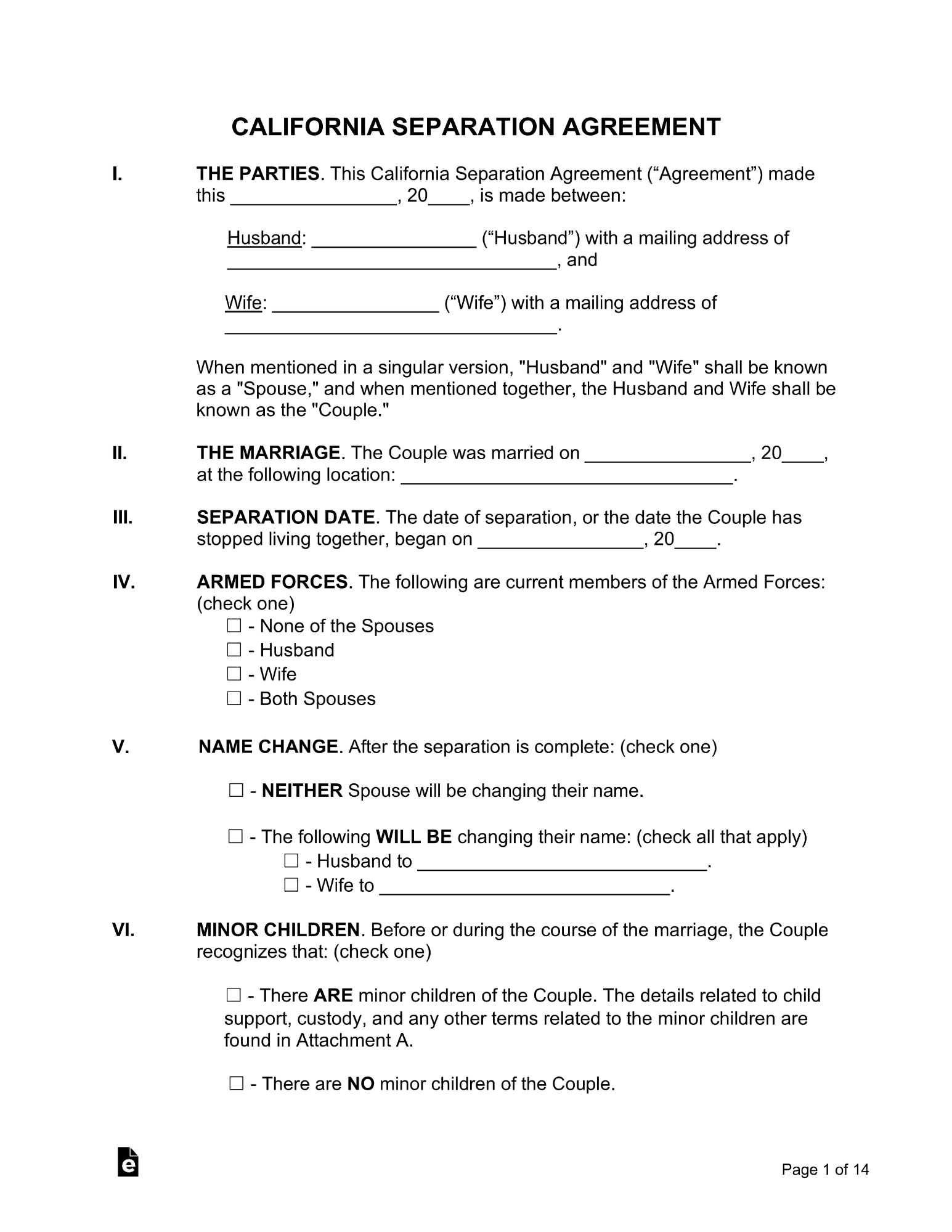
California Separation Agreement

Full Conversation


I live in California. I wanted to know if I can get a restraining order for my husband that I am currently divorcing. The reason is because for the last 12 months since he has moved out of our family home, he comes to the house unannounced whenever he pleases. He usually shows up to collect mail or packages or some of his belongings that he still has here or even tools in the garage.

Lexi

Lexi, Chatbot

I understand how concerning it can be to have someone show up unannounced, especially during a divorce. Have there been any specific incidents during these visits that made you feel unsafe?

These unannounced visits have caused me a significant amount of anxiety and they are stressful, especially during this really difficult time. I have asked multiple times that he at least give me a heads up but he refuses to do so.

Lexi

Lexi, Chatbot

Are there any children involved in this situation, and if so, what is their current living arrangement?

We have one child that we co-parent 50/50.

Lexi

Lexi, Chatbot

Is there anything else the criminal lawyer should know before I connect you? Rest assured they'll be able to help with your restraining order.

No.

We co-own the house that is part of a larger property of 3 other houses (units) that we also co-own. His argument is that he can come as he pleases since he is paying for the house. He states that if there was a tenant, we would be collecting an amount of rent and that would be income that we would then use to pay for property-related items such as the Home Equity Line of Credit (HELOC) we both have and both equally pay and other property maintenance stuff.

Andrew F., Esq.

Andrew F., Esq.

Good day and welcome. Please give me a moment to review your question.

Note that I am a hearing impaired expert and so phone calls are difficult for me. Thank you for understanding. Just so you are aware, this is a legal information only site. I do not provide representation and no attorney-client relationship is formed. My answers and comments should not be considered legal advice. It is always best to hire a local attorney to review the specifics of your particular case to ensure that a proper review is conducted.

Could you tell me if there have been any specific incidents during these visits that made you feel unsafe?

I pay into our joint "property" account 2100 per month to cover my half of the Home Equity Line of Credit (HELOC) payment and also the rest stays in that joint account to be used to pay things like water bill or repairs, etc.

He also deposits 2100 like me.

He refuses to announce his arrival or his intention to come by because he states that he pays 2100 and that gives him the right to come by as he chooses. To protect some privacy and my mental wellbeing, I want to know if it is better to get a restraining order or ask for some kind of order from the family court judge to temporarily stop him from doing this as we proceed with the divorce, as we are only at the petition part.

Andrew F., Esq.

Andrew F., Esq.

It makes complete sense that you’re feeling overwhelmed and looking for clarity, because California law draws an important distinction between:

  1. a domestic violence restraining order (DVRO) under the Domestic Violence Prevention Act, and (CA Fam Code § 6340)
  2. a civil occupancy or exclusive use order issued by the family court during a pending divorce. (CA Fam Code § 6321)

The legal question is not whether your husband is a co-owner—he is—but whether his conduct constitutes “abuse” or creates a legally recognized threat to your safety, peace, or emotional well-being. Under Family Code (CA Fam Code § 6203) and (CA Fam Code § 6320), “abuse” includes not only physical harm but also harassment, disturbing the peace, coercive control, or conduct that destroys the mental or emotional calm of the other party.

If his repeated unannounced entries, refusal to respect boundaries, and intentional disregard of your requests are causing serious anxiety or emotional distress, that can satisfy the statutory definition of “disturbing the peace,” which California courts have held is enough to support a DVRO—even where the parties are married, co-own property, and there is no physical violence.

The key issue is whether his conduct has crossed the threshold into interference with your mental calm and sense of security, not simply whether he pays half the mortgage. However, because you are in the early stages of a divorce and the property is jointly owned, the more common—and often more legally straightforward—remedy is to request a family-court “exclusive use and possession” order or a temporary order regulating access to the residence under Family Code § 6321 and § 6340.

If his behavior escalates, or if there is any further harassment or intimidation, you can still pursue a DVRO later. For now, a temporary family-court access order may give you the protection and predictability you’re looking for while keeping the divorce process on stable ground.

Andrew F., Esq.

Andrew F., Esq.

During a dissolution proceeding, the judge has broad authority to issue temporary orders that control how each spouse uses and enters the marital residence, even when both names are on the title. You can request that the court order him not to enter the home without notice, limit visitation to specified days and times, or grant you temporary sole occupancy during the divorce.

This avoids the higher evidentiary threshold of a DVRO while still giving you enforceable protections. Judges routinely issue these orders when unannounced visits create anxiety, conflict, or disruption—even if there has been no physical violence.

In evaluating the request, the court will consider the practical realities of co-ownership, your need for privacy and emotional safety, the child’s best interest, and whether your husband’s conduct appears controlling or intrusive rather than genuinely tied to property management.

Andrew F., Esq.

Andrew F., Esq.

42 satisfied customers

Andrew F., Esq.
Welcome! Have a similar question?

12 lawyers online now

0:00

By messaging AskALawyer, you agree to our Terms and Privacy Policy.

Disclaimer


By messaging AskaLawyer.com, you agree to our Terms and have read our Privacy Policy.

The information provided on AskaLawyer.com is for general informational purposes only and does not constitute legal advice. While we strive to ensure the accuracy and timeliness of the information presented, we make no guarantees regarding its completeness or applicability to your specific circumstances.

Use of this website does not create an attorney-client relationship between you and AskaLawyer.com or any of its attorneys. Communications through this website, including any responses from attorneys, are not privileged or confidential. For advice tailored to your individual situation, we recommend consulting a licensed attorney in your jurisdiction.

AskaLawyer.com disclaims any liability for actions taken or not taken based on the content of this site. We are not responsible for any third-party content that may be accessed through this website. Reliance on any information provided herein is solely at your own risk.

Ask a Lawyer Logo
Ask a Lawyer Logo
Intake Questions
Step  of 3
Loading...

Lexi, Chatbot

How would you like your legal question to be answered?

Online

Legal AI

Using ChatGPT 4o

Loading...

How do you like to pay?

By proceeding with payment, you agree to our Terms and Privacy Policy. You authorize us to charge $ today and $ thereafter until canceled. You may cancel anytime in the My Account section to stop future charges.

Total Due:

After purchasing, your chat will begin with an attorney.

By proceeding with payment, you agree to our Terms and Privacy Policy. You authorize us to charge $ today and $ thereafter until canceled. You may cancel anytime in the My Account section to stop future charges.

Total Due:

After purchasing, your chat will begin with an attorney.

After connecting, your chat will begin with an attorney.

After choosing, your chat will continue with Legal AI.

It looks like you already have an account with Ask a Lawyer.

We have sent you a magic link to . Click the link in your email to sign in and continue your chat.

spin

Step of 6 •

You'll receive an email at as soon as the lawyer joins the conversation 🙏🏻😊

Over 90% of lawyers connect within 5 minutes. If you're not online at that moment, don't worry — the lawyer will reply to your message while you're away.

You're also welcome to stay in the chat while waiting to be connected 💬✨

Waiting for lawyer

0:00