Can a tenant be required to accept a rental unit’s condition before a walkthrough inspection?

Dan
Dan

30,386 satisfied customers

View context
Solved

It sounds like you're feeling uneasy about being asked to sign a lease so quickly, especially since you haven't had the chance to complete a full walk-through and some of the lease wording seems one-sided. That's completely understandable. Many tenants feel pressured to move forward fast when a move-in date is approaching, but it's wise to pause and fully understand what you're agreeing to. Under general landlord-tenant law, both parties have rights and duties regarding property condition and privacy. Even if the lease says the unit is accepted "as is," landlords still must comply with state habitability laws, often rooted in the implied warranty of habitability, that require them to maintain safe, livable premises. Similarly, landlord entry rights are regulated by law, which typically require reasonable notice and a valid purpose.

Let's look at a few options for handling this situation calmly and thoughtfully:

  1. One option is to ask for a short written addendum clarifying that your acknowledgment of the property's condition applies only after your initial walk-through. You could phrase it simply, such as, "Tenant's acceptance of the property's condition will follow a joint walk-through inspection prior to move-in." This protects you from being held responsible for pre-existing damage or malfunctioning items. Many landlords agree to this kind of clarification once they see it's a reasonable request, and it helps prevent disputes later over security deposit deductions or maintenance responsibilities.
  2. A second option is to do a detailed self-inspection before signing. You can schedule a quick visit, take photographs or videos of every room, and document anything broken, dirty, or missing. Email this documentation to the landlord or agent so there's a dated record. Even if you end up signing tomorrow, this step shows good faith and helps establish the property's condition at the time you took possession. It can make all the difference if problems arise after move-in, especially since the lease mentions that you "accept the premises as is."
  3. A third step is to clarify in writing what "reasonable notice" means for the landlord's right of entry. Most states define reasonable notice as at least 24 hours, except in emergencies. You could request that the lease specify advance notice, such as, "Landlord will give at least 24 hours' notice before entry, except in case of emergency." This protects your privacy and ensures visits happen on agreed terms, while still allowing the landlord access for legitimate purposes like repairs or inspections.

Of the three, I would start with the first, asking for a brief addendum or clarification about the inspection, because it's the most direct way to protect yourself before signing. It also opens the door to confirm entry notice expectations at the same time. The key is to keep your questions polite and focused on clarity, not conflict. Please let me know if you have any other questions. Do you have any other questions?

Thank you so much for sharing your questions with me. I truly appreciate the opportunity to assist you and am very glad you reached out.

0

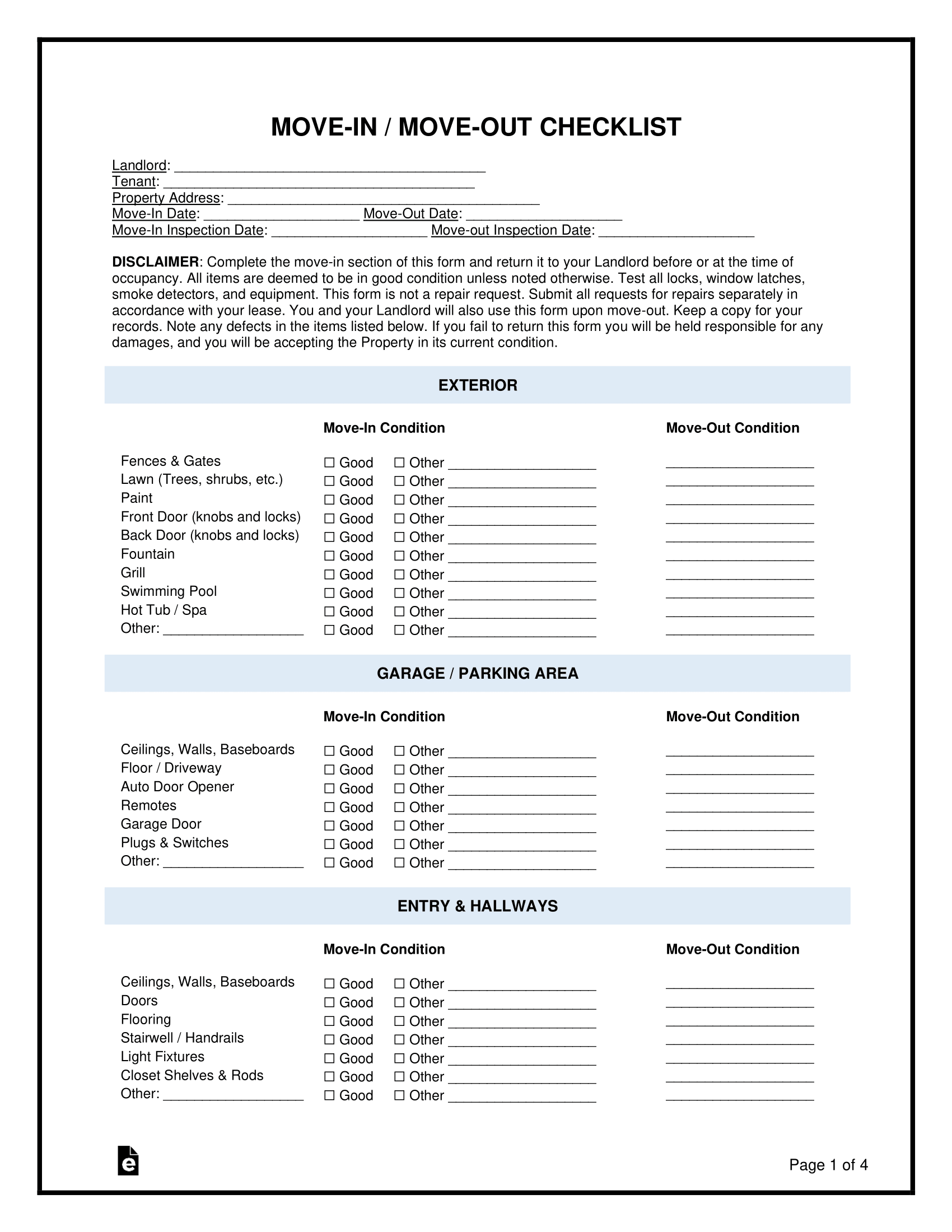
Move-In / Move-Out Checklist

Full Conversation


Tenant with a couple of potential lease concerns.

Lexi

Lexi, Chatbot

I understand that lease concerns can be stressful. Can you please describe the specific issues you are facing with your lease?

I am about to rent a condo and received the lease just last night and am being asked to sign it no later than tomorrow. My move-in date is shortly after that. One concern I have regarding the new lease is I am being asked to sign and agree to the following, prior to completing a full walk-through of the premises:

"TENANT agrees that they have fully inspected the premises and accepts the condition of the premises in 'as is' condition with no warranties or promises express or implied." When I asked the agent about this, she replied: "The verbiage does not indicate a professional inspection. You are acknowledging that you had seen the property and accept it. If something is broken or not working properly, we will send the appropriate vendor out to fix it."

The following also caught my attention: "LANDLORD, upon reasonable notice by telephone, hand-delivery, posting, e-mail or text message to TENANT, has the right of entry to the premises for showings, repairs, appraisals, inspections, or any other reason. LANDLORD has immediate right of entry in cases of emergency, or to protect or preserve the premises." My question is whether this is relatively standard fare and I am simply overthinking this, or do I have a legitimate reason to be concerned about these two items?

Lexi

Lexi, Chatbot

How long have you been experiencing these concerns, and have you already communicated with your landlord about them?

I received the lease just last night.

Lexi

Lexi, Chatbot

Is there anything else the Landlord-Tenant Lawyer should know before I connect you? Rest assured they'll be able to help with your lease concerns.

No.

Dan

Dan

Hello, and welcome to our service. My name is Daniel, and I'm a licensed attorney with over 22 years of experience. I'm sorry you're dealing with this situation, and I'll do everything I can to help. I understand you're concerned about signing a lease without a full walk-through and the landlord's right of entry. Could you share more details about any communications you've had with the landlord or agent regarding these issues?

Dan

Dan

It sounds like you're feeling uneasy about being asked to sign a lease so quickly, especially since you haven't had the chance to complete a full walk-through and some of the lease wording seems one-sided. That's completely understandable. Many tenants feel pressured to move forward fast when a move-in date is approaching, but it's wise to pause and fully understand what you're agreeing to. Under general landlord-tenant law, both parties have rights and duties regarding property condition and privacy. Even if the lease says the unit is accepted "as is," landlords still must comply with state habitability laws, often rooted in the implied warranty of habitability, that require them to maintain safe, livable premises. Similarly, landlord entry rights are regulated by law, which typically require reasonable notice and a valid purpose.

Let's look at a few options for handling this situation calmly and thoughtfully:

  1. One option is to ask for a short written addendum clarifying that your acknowledgment of the property's condition applies only after your initial walk-through. You could phrase it simply, such as, "Tenant's acceptance of the property's condition will follow a joint walk-through inspection prior to move-in." This protects you from being held responsible for pre-existing damage or malfunctioning items. Many landlords agree to this kind of clarification once they see it's a reasonable request, and it helps prevent disputes later over security deposit deductions or maintenance responsibilities.
  2. A second option is to do a detailed self-inspection before signing. You can schedule a quick visit, take photographs or videos of every room, and document anything broken, dirty, or missing. Email this documentation to the landlord or agent so there's a dated record. Even if you end up signing tomorrow, this step shows good faith and helps establish the property's condition at the time you took possession. It can make all the difference if problems arise after move-in, especially since the lease mentions that you "accept the premises as is."
  3. A third step is to clarify in writing what "reasonable notice" means for the landlord's right of entry. Most states define reasonable notice as at least 24 hours, except in emergencies. You could request that the lease specify advance notice, such as, "Landlord will give at least 24 hours' notice before entry, except in case of emergency." This protects your privacy and ensures visits happen on agreed terms, while still allowing the landlord access for legitimate purposes like repairs or inspections.

Of the three, I would start with the first, asking for a brief addendum or clarification about the inspection, because it's the most direct way to protect yourself before signing. It also opens the door to confirm entry notice expectations at the same time. The key is to keep your questions polite and focused on clarity, not conflict. Please let me know if you have any other questions. Do you have any other questions?

Thank you so much for sharing your questions with me. I truly appreciate the opportunity to assist you and am very glad you reached out.

Dan

Dan

30,386 satisfied customers

Dan
Welcome! Have a similar question?

12 lawyers online now

0:00

By messaging AskALawyer, you agree to our Terms and Privacy Policy.

Disclaimer


By messaging AskaLawyer.com, you agree to our Terms and have read our Privacy Policy.

The information provided on AskaLawyer.com is for general informational purposes only and does not constitute legal advice. While we strive to ensure the accuracy and timeliness of the information presented, we make no guarantees regarding its completeness or applicability to your specific circumstances.

Use of this website does not create an attorney-client relationship between you and AskaLawyer.com or any of its attorneys. Communications through this website, including any responses from attorneys, are not privileged or confidential. For advice tailored to your individual situation, we recommend consulting a licensed attorney in your jurisdiction.

AskaLawyer.com disclaims any liability for actions taken or not taken based on the content of this site. We are not responsible for any third-party content that may be accessed through this website. Reliance on any information provided herein is solely at your own risk.

Ask a Lawyer Logo
Ask a Lawyer Logo
Intake Questions
Step  of 3
Loading...

What's your legal question?

Lexi, Chatbot

How would you like your legal question to be answered?

Online

Loading...

How do you like to pay?

By proceeding with payment, you agree to our Terms and Privacy Policy. You authorize us to charge $ today and $ thereafter until canceled. You may cancel anytime in the My Account section to stop future charges.

Total Due:

After purchasing, your chat will begin with an attorney.

By proceeding with payment, you agree to our Terms and Privacy Policy. You authorize us to charge $ today and $ thereafter until canceled. You may cancel anytime in the My Account section to stop future charges.

Total Due:

After purchasing, your chat will begin with an attorney.

After connecting, your chat will begin with an attorney. After choosing, your chat will continue with Legal AI.

It looks like you already have an account with Ask a Lawyer.

We have sent you a magic link to . Click the link in your email to sign in and continue your chat.

spin

Step of 6 •

You'll receive an email at as soon as the lawyer joins the conversation 🙏🏻😊

Over 90% of lawyers connect within 5 minutes. If you're not online at that moment, don't worry — the lawyer will reply to your message while you're away.

You're also welcome to stay in the chat while waiting to be connected 💬✨

Waiting for lawyer

We couldn't send your message. Please try again.

Your lawyer will reply as soon as possible

If there’s a delay, please don’t worry. Your chat will stay open, and they’ll get back to you as soon as they can. There’s no rush on your end either. You’ll receive an email notification as soon as there’s a new message.

You've reached your AI chat limit

Upgrade your plan to continue chatting and get instant domain-specific answers.

0:00