[SC] Can a tenant recover rent paid while living with unrepaired water damage, mold, and broken smoke detectors?

Jessica B
Jessica B

32,616 satisfied customers

View context
Solved

Based on your situation, there are several legal arguments and considerations in South Carolina that could potentially support your case.

Implied Warranty of Habitability: Under South Carolina law, landlords are required to maintain rental properties in a condition that is safe and habitable. This includes addressing issues like water damage and mold, and ensuring that smoke detectors are functional. If these conditions are not met, it could be considered a breach of the implied warranty of habitability.

Mold and Health Concerns: Prolonged exposure to mold can pose health risks, and landlords may be held liable if they fail to address mold issues in a timely manner. Documented evidence of mold and its impact on your health could strengthen your case.

Smoke Detector Liability: The absence of functioning smoke detectors for an extended period could create additional liability for the landlord, as it poses a significant safety risk.

Rent Reimbursement or Abatement: If the property was not maintained in a habitable condition, you may have grounds to seek rent reimbursement or abatement for the period during which the issues were unresolved.

Here's a structured approach to consider:

  1. Document Everything: Ensure you have all your evidence organized, including photos of the damage and mold, and any communication with the property management. This documentation will be crucial in supporting your case.
  2. Understand Your Rights: In South Carolina, landlords are required to maintain rental properties in a habitable condition. Under the Residential Landlord and Tenant Act, a landlord must comply with building and housing codes affecting health and safety, make all repairs needed to keep the premises fit and habitable, and keep electrical and other facilities in safe working order (S.C. Code § 27-40-440). The issues you've described, such as water damage, mold, and non-functioning smoke detectors, could constitute a breach of the implied warranty of habitability.
  3. Consider Rent Reimbursement or Abatement: Given the prolonged unresolved conditions, you may be entitled to rent reimbursement or abatement for the affected period. This means you could potentially recover some of the rent you paid while the property was not in a habitable condition. South Carolina law allows a tenant to recover damages when a landlord fails to comply with these maintenance duties (S.C. Code § 27-40-610).
  4. Evaluate Health and Safety Claims: The presence of mold and the lack of functioning smoke detectors pose significant health and safety risks. You might have grounds to seek compensation for any health issues or safety concerns that arose due to these conditions.
  5. Legal Actions to Consider
    Demand Letter: Start by sending a formal demand letter to the property management, outlining your grievances and the compensation you seek.
    Small Claims Court: If the demand letter doesn't resolve the issue, consider filing a claim in small claims court for rent reimbursement or damages. In South Carolina, small claims are heard in magistrate's court, which handles civil claims up to $7,500 (S.C. Code § 22-3-10).
    Formal Legal Action: For more significant claims, you might need to pursue formal legal action with the help of an attorney.

0

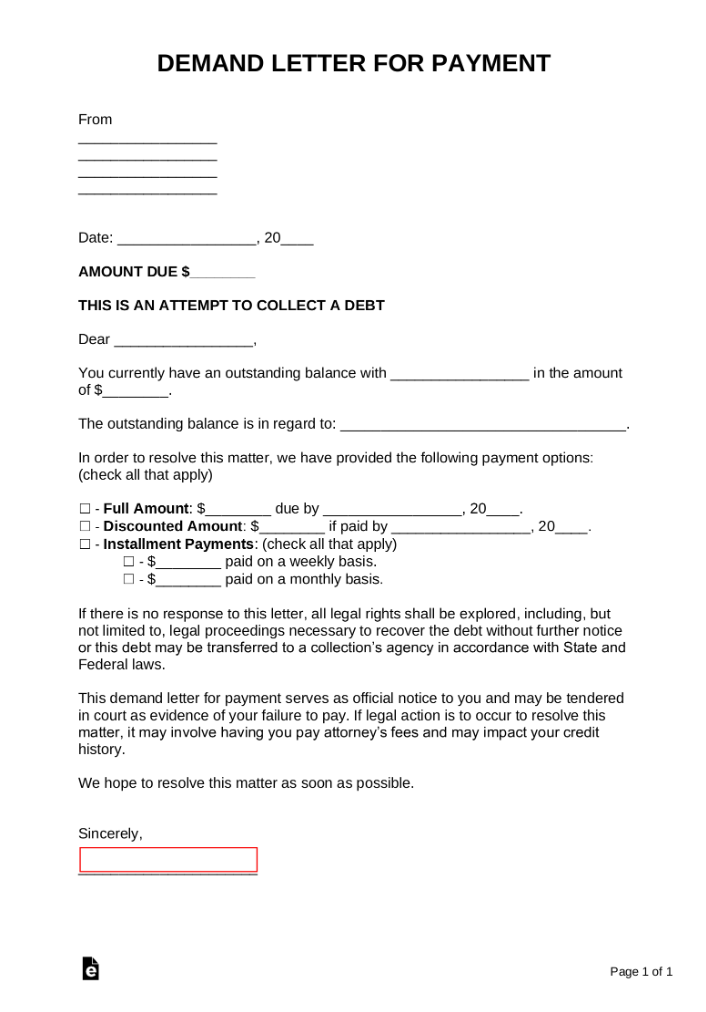
Demand Letter for Payment Template | Sample
Full Conversation


Legal consultation request: tenant habitability, water damage, and rent dispute.

Hello,

I am seeking legal guidance regarding a rental situation involving prolonged water damage, mold exposure, unresolved repairs, and potential habitability violations at my former apartment.

Tenant information:
Name: [name redacted]
Property: [business name redacted]
Address: [address redacted]
Property Management Company: [business name redacted]
Property Manager: [name redacted]
Monthly Rent: $1,450

Summary of events:

Initial incident, late December 2025:
Water damage began due to issues originating from the apartment above. The damage affected ceilings and interior areas of my unit.

Ongoing issues, January to April 2026:
The water damage was not fully resolved for approximately 4+ months. Repeated communication with property management occurred, but repairs were delayed or incomplete. I continued to live in the unit and paid full rent during this time.

Continued damage and active leak:
As of mid-April (around April 15, 2026), there was still an active leak from the ceiling. Water was dripping consistently, and I had to place containers to catch it. This indicated that the root issue had not been resolved.

Mold discovery:
During move-out preparation, I discovered additional mold growth in areas that were previously not visible. This suggests prolonged moisture exposure within the unit. I have photographic evidence documenting the mold.

Electrical issues:
Two ceiling lights stopped functioning following the initial flooding. These electrical issues were not resolved in a timely manner.

Smoke detector safety issue (critical):
Both smoke alarms in the unit were damaged and disabled due to the water intrusion. The apartment had no functioning smoke detectors for approximately 4+ months. This created a significant life safety concern during my occupancy. The issue remained unresolved during that time.

Communication and management response:
Property management acknowledged the need to coordinate repairs and promised follow-up timelines that were not met. Attempts to schedule meetings to discuss the condition and resolution were delayed or avoided. A relocation option was offered, but I declined due to concerns about the condition of the alternative unit. The property manager ultimately avoided direct in-person discussion regarding compensation.

Move-out:
I vacated the unit around May 1, 2026. I paid full rent throughout the duration of the issues (December through move-out).

Key concerns:
Prolonged unresolved water damage (4+ months), an active leak continuing near the end of the tenancy, mold presence and exposure, electrical issues left unrepaired, no functioning smoke detectors for 4+ months, full rent paid despite reduced habitability, and a lack of timely repair and follow-through from management.

Evidence:
I have photos of the water damage, mold, and active leaking, documentation of communication with property management, and a timeline of events and repair requests.

Relief or outcome sought:
I am seeking guidance on whether I may be entitled to rent reimbursement or rent abatement for the affected period, compensation for living in substandard and potentially unsafe conditions, and any additional damages related to health or safety risks.

Questions for legal counsel:

  1. Does this situation constitute a breach of the implied warranty of habitability under South Carolina law?
  2. Does the lack of functioning smoke detectors for several months create additional liability?
  3. Am I entitled to rent reimbursement or damages given the prolonged unresolved conditions?
  4. Would this situation support a claim related to mold exposure or unsafe living conditions?
  5. What would be the recommended next step: a demand letter, small claims court, or formal legal action?

Final note:
I made consistent good-faith efforts to communicate with management, allow access for repairs, and cooperate throughout the process. Despite this, the issues remained unresolved throughout my tenancy.

Lexi

Lexi, Chatbot

I'm sorry to hear about the difficult situation you've faced with your former apartment. Can you confirm if you have already documented all your communications with the property management regarding these issues?

Yes.

Lexi

Lexi, Chatbot

Have you sought any repairs or remediation for the mold and water damage after moving out, or are you looking for legal guidance solely based on your tenancy?

Not yet.

Lexi

Lexi, Chatbot

Is there anything else the Landlord-Tenant Lawyer should know before I connect you? Rest assured they'll be able to help with your habitability issues.

No.

Jessica B

Jessica B

Thank you for choosing our service! My name is Jessica and I am a licensed attorney who will be assisting you with your question. I understand you're dealing with a situation involving prolonged water damage, mold exposure, and unresolved repairs at your former apartment, along with potential habitability violations. Have you considered any legal steps to address this situation?

I would like to see what my legal options are, as I have not had any resolution going through the property manager.

Jessica B

Jessica B

Based on your situation, there are several legal arguments and considerations in South Carolina that could potentially support your case.

Implied Warranty of Habitability: Under South Carolina law, landlords are required to maintain rental properties in a condition that is safe and habitable. This includes addressing issues like water damage and mold, and ensuring that smoke detectors are functional. If these conditions are not met, it could be considered a breach of the implied warranty of habitability.

Mold and Health Concerns: Prolonged exposure to mold can pose health risks, and landlords may be held liable if they fail to address mold issues in a timely manner. Documented evidence of mold and its impact on your health could strengthen your case.

Smoke Detector Liability: The absence of functioning smoke detectors for an extended period could create additional liability for the landlord, as it poses a significant safety risk.

Rent Reimbursement or Abatement: If the property was not maintained in a habitable condition, you may have grounds to seek rent reimbursement or abatement for the period during which the issues were unresolved.

Here's a structured approach to consider:

  1. Document Everything: Ensure you have all your evidence organized, including photos of the damage and mold, and any communication with the property management. This documentation will be crucial in supporting your case.
  2. Understand Your Rights: In South Carolina, landlords are required to maintain rental properties in a habitable condition. Under the Residential Landlord and Tenant Act, a landlord must comply with building and housing codes affecting health and safety, make all repairs needed to keep the premises fit and habitable, and keep electrical and other facilities in safe working order (S.C. Code § 27-40-440). The issues you've described, such as water damage, mold, and non-functioning smoke detectors, could constitute a breach of the implied warranty of habitability.
  3. Consider Rent Reimbursement or Abatement: Given the prolonged unresolved conditions, you may be entitled to rent reimbursement or abatement for the affected period. This means you could potentially recover some of the rent you paid while the property was not in a habitable condition. South Carolina law allows a tenant to recover damages when a landlord fails to comply with these maintenance duties (S.C. Code § 27-40-610).
  4. Evaluate Health and Safety Claims: The presence of mold and the lack of functioning smoke detectors pose significant health and safety risks. You might have grounds to seek compensation for any health issues or safety concerns that arose due to these conditions.
  5. Legal Actions to Consider
    Demand Letter: Start by sending a formal demand letter to the property management, outlining your grievances and the compensation you seek.
    Small Claims Court: If the demand letter doesn't resolve the issue, consider filing a claim in small claims court for rent reimbursement or damages. In South Carolina, small claims are heard in magistrate's court, which handles civil claims up to $7,500 (S.C. Code § 22-3-10).
    Formal Legal Action: For more significant claims, you might need to pursue formal legal action with the help of an attorney.
Jessica B

Jessica B

32,616 satisfied customers

Jessica B
Welcome! Have a similar question?

12 lawyers online now

0:00

By messaging AskALawyer, you agree to our Terms and Privacy Policy.

Disclaimer


By messaging AskaLawyer.com, you agree to our Terms and have read our Privacy Policy.

The information provided on AskaLawyer.com is for general informational purposes only and does not constitute legal advice. While we strive to ensure the accuracy and timeliness of the information presented, we make no guarantees regarding its completeness or applicability to your specific circumstances.

Use of this website does not create an attorney-client relationship between you and AskaLawyer.com or any of its attorneys. Communications through this website, including any responses from attorneys, are not privileged or confidential. For advice tailored to your individual situation, we recommend consulting a licensed attorney in your jurisdiction.

AskaLawyer.com disclaims any liability for actions taken or not taken based on the content of this site. We are not responsible for any third-party content that may be accessed through this website. Reliance on any information provided herein is solely at your own risk.

Ask a Lawyer Logo
Ask a Lawyer Logo
Intake Questions
Step  of 3
Loading...

What's your legal question?

Lexi, Chatbot

How would you like your legal question to be answered?

Online

Loading...

How do you like to pay?

By proceeding with payment, you agree to our Terms and Privacy Policy. You authorize us to charge $ today and $ thereafter until canceled. You may cancel anytime in the My Account section to stop future charges.

Total Due:

After purchasing, your chat will begin with an attorney.

By proceeding with payment, you agree to our Terms and Privacy Policy. You authorize us to charge $ today and $ thereafter until canceled. You may cancel anytime in the My Account section to stop future charges.

Total Due:

After purchasing, your chat will begin with an attorney.

After connecting, your chat will begin with an attorney. After choosing, your chat will continue with Legal AI.

It looks like you already have an account with Ask a Lawyer.

We have sent you a magic link to . Click the link in your email to sign in and continue your chat.

spin

Step of 6 •

You'll receive an email at as soon as the lawyer joins the conversation 🙏🏻😊

Over 90% of lawyers connect within 5 minutes. If you're not online at that moment, don't worry — the lawyer will reply to your message while you're away.

You're also welcome to stay in the chat while waiting to be connected 💬✨

Waiting for lawyer

We couldn't send your message. Please try again.

Your lawyer will reply as soon as possible

If there’s a delay, please don’t worry. Your chat will stay open, and they’ll get back to you as soon as they can. There’s no rush on your end either. You’ll receive an email notification as soon as there’s a new message.

You've reached your AI chat limit

Upgrade your plan to continue chatting and get instant domain-specific answers.

0:00