Jon
1. Presenting Text Messages and Digital Evidence in Maine Eviction Court
There’s no single “official” format required under Maine law, but courts prefer clear, organized, and complete printouts that make it easy for the judge to understand and verify the messages.
Here’s the best practice for presenting text messages and similar evidence:
- Capture the Texts Clearly
- Take full screenshots showing the date, time, sender, and recipient.
- Avoid cropping or editing; any alteration may affect credibility.
- For long conversations, use software that stitches screenshots together (for example, iMazing or SMS Backup & Restore).
- Create Organized Exhibits
- Print the text message threads in chronological order (oldest to newest).
- Include entire conversations for context, not just selected snippets.
- Label each page clearly, such as:
- “Exhibit 3 – Text Messages between Landlord and Tenant (June 2024)”
- You can highlight or underline key statements, but don’t write comments or notes directly on the exhibit pages.
- Authentication
- You’ll need to confirm the messages are authentic — meaning they came from and were sent to the right person and haven’t been altered. You can do this by:
- Testifying under oath that these are true, unedited copies of messages from your phone.
- Bringing your phone to court with the original texts in case the judge wants to verify them.
- Pointing out identifying information (like contact names, phone numbers, or distinctive language) that shows who sent them.
- Use Printouts, Not Your Phone
- Printed copies are preferred to showing texts on your phone. They can be marked as official exhibits and entered into the record. The judge may ask to see your phone for verification, but the printed version will go in the court file.
- Relevance
- Make sure every message you include is relevant to the eviction — for example:
- Tenant’s acknowledgment of missed rent;
- Discussions of lease violations or notices;
- Statements that confirm they received communication from you.
2. Other Evidence: Photos, Emails, and Timelines
- For your photos, documents, and timeline:
- Photos: Print them in color and label each one with a date, description, and location.
- Emails: Print the full thread, showing sender, recipient, date, and subject.
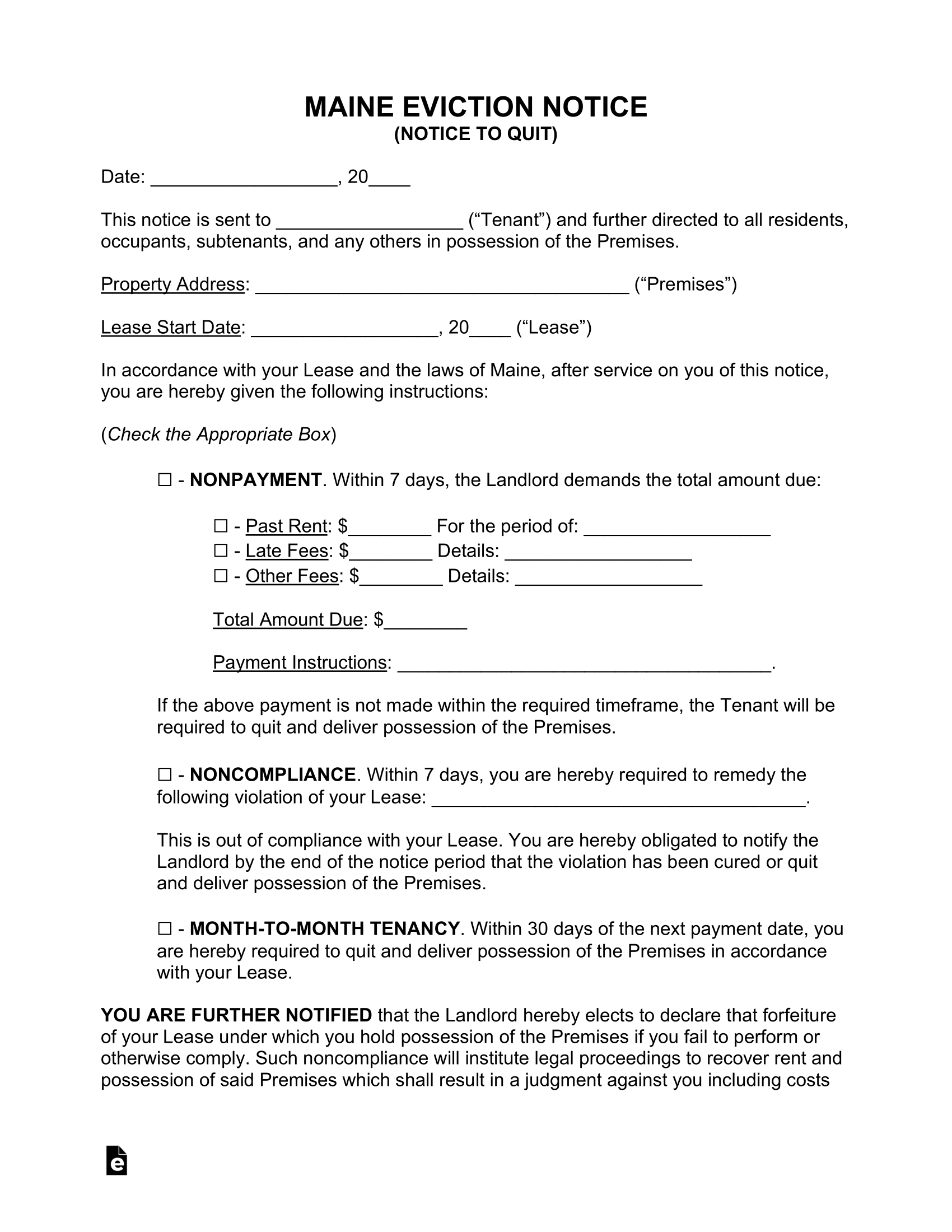
- Timeline: Create a clear summary of events with dates and references to exhibits (e.g., “See Exhibit 5 – Notice to Quit dated May 1, 2024”).
3. Tenant Appeals in Maine
- If the tenants file an appeal after an eviction judgment:
- They have a very short window to do so — typically before the Writ of Possession issues (within 7 days of judgment) or up to 30 days after judgment, whichever comes first.
- The appeal moves the case to Maine Superior Court, which generally reviews questions of law, not new evidence.
- This process can take weeks or months, depending on the court’s schedule and briefing deadlines.
- While the appeal is pending, the eviction is paused unless the tenant fails to pay rent into the court during the appeal period (as required under Title 14 §6008).
4. Presenting Firsthand Conversations
- If you had in-person or phone conversations with your tenant:
- You’ll testify under oath about what was said, by whom, and when.
- Stick to facts and avoid paraphrasing. Example:
- “On May 10th, the tenant told me, ‘I’ll pay rent next week,’ but never did.”
- Your testimony itself is considered direct evidence — you don’t need a recording, though contemporaneous notes can support your credibility.