In general, landlords are allowed to deduct from a security deposit for certain things, but only under specific conditions.
The two biggest rules that apply almost everywhere are these:
1. The landlord must prove the damage was beyond normal wear and tear.
Normal wear and tear includes things like minor wall scuffs, worn carpet from regular use, faded paint, or small nail holes. Those things usually cannot be charged against the deposit.
Damage that can sometimes be charged includes things like large holes in walls, broken fixtures, or strong pet odors that require special cleaning.
2. The landlord must provide an itemized list of deductions.
Most states require the landlord to send a written statement showing exactly what they charged for and how much each item cost. This usually has to be sent within a set timeframe, often 14 to 30 days after move-out, depending on the state.
If they miss that deadline, in many states they lose the right to keep the deposit.
Let's talk about the specific charges they listed.
Carpet replacement due to pet odor
Landlords cannot automatically charge for replacing carpet unless it truly had to be replaced because of damage. Also, carpets have a lifespan. If the carpet was already several years old, the landlord usually cannot charge the full replacement cost. They typically can only charge the remaining value of the carpet.
For example, if carpet has a 7-year life and it was already 5 years old, they might only charge about two years of value.
Wall damage
Small scuffs or minor marks are usually considered normal wear. Larger holes, heavy stains, or major damage may be chargeable.
Door damage and blinds
These can be legitimate charges if something was broken. But the landlord still has to show the cost is reasonable and not simply charge for brand-new replacements if the items were already old.
Trash removal
This is often allowed if items were left behind. However, landlords cannot charge excessive cleanup fees.
Here are some practical steps you can take now.
Step 1: Review the move-out notice carefully
Look for:
- A detailed list of charges
- Receipts or repair estimates
- The date the notice was sent
Step 2: Compare the claims with your evidence
Gather:
- Move-in photos or inspection reports
- Move-out photos or videos
- Messages with the landlord about the condition of the unit
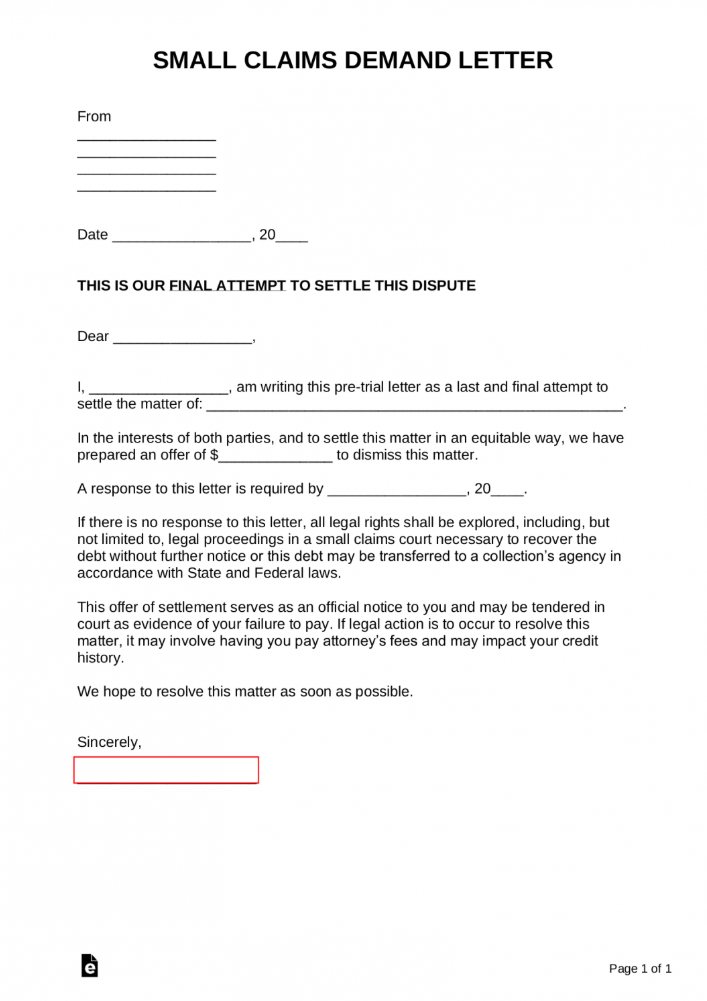
Step 3: Send a written dispute letter
If you believe the deductions are improper, you can send a letter disputing the charges and requesting the return of your deposit. A clear, calm letter often resolves these disputes without going to court.
The letter should:
- State the amount of the deposit
- Identify the charges you dispute
- Explain why the deductions are improper
- Request payment by a specific date
Step 4: Consider small claims court if needed
If the landlord refuses to return the deposit, tenants often file in small claims court. In many states, tenants can recover:
- The deposit itself
- Sometimes additional penalties if the landlord violated deposit laws
Small claims courts are designed for people to represent themselves, and judges see deposit disputes very frequently.