In Virginia, landlords are required under the Virginia Residential Landlord and Tenant Act (VRLTA) to maintain rental properties in a fit and habitable condition. That includes keeping the premises free from conditions that pose a material health or safety risk—such as mold resulting from a flood.
Based on what you’ve described, you may have a valid legal claim under one or more of the following theories:
1. Breach of the Warranty of Habitability:
Virginia law imposes an implied warranty that the landlord will maintain the premises in a condition fit for human habitation. A flooded apartment with resulting mold that forced you to relocate and impacted your family’s health or safety could support a claim that the landlord breached that obligation.
2. Constructive Eviction:
If the conditions in the apartment made it uninhabitable and you were essentially forced to leave (which appears to be the case, given that you're staying in hotels and relocated your boyfriend’s son), you may have a claim for constructive eviction. This would allow you to argue that you were justified in vacating the premises and could relieve you from further rent obligations during that time.
3. Reimbursement for Out-of-Pocket Expenses:
You may be able to pursue reimbursement for hotel costs and any other expenses incurred as a result of the uninhabitable conditions—especially if the landlord delayed repairs for three weeks and denied the presence of mold despite visible damage from flooding.
What You Can Do:
- Document Everything: Save all emails, texts, photos, videos, receipts, and medical records if applicable. Documentation of the flooding, mold, and the time it took for repairs will support your position.
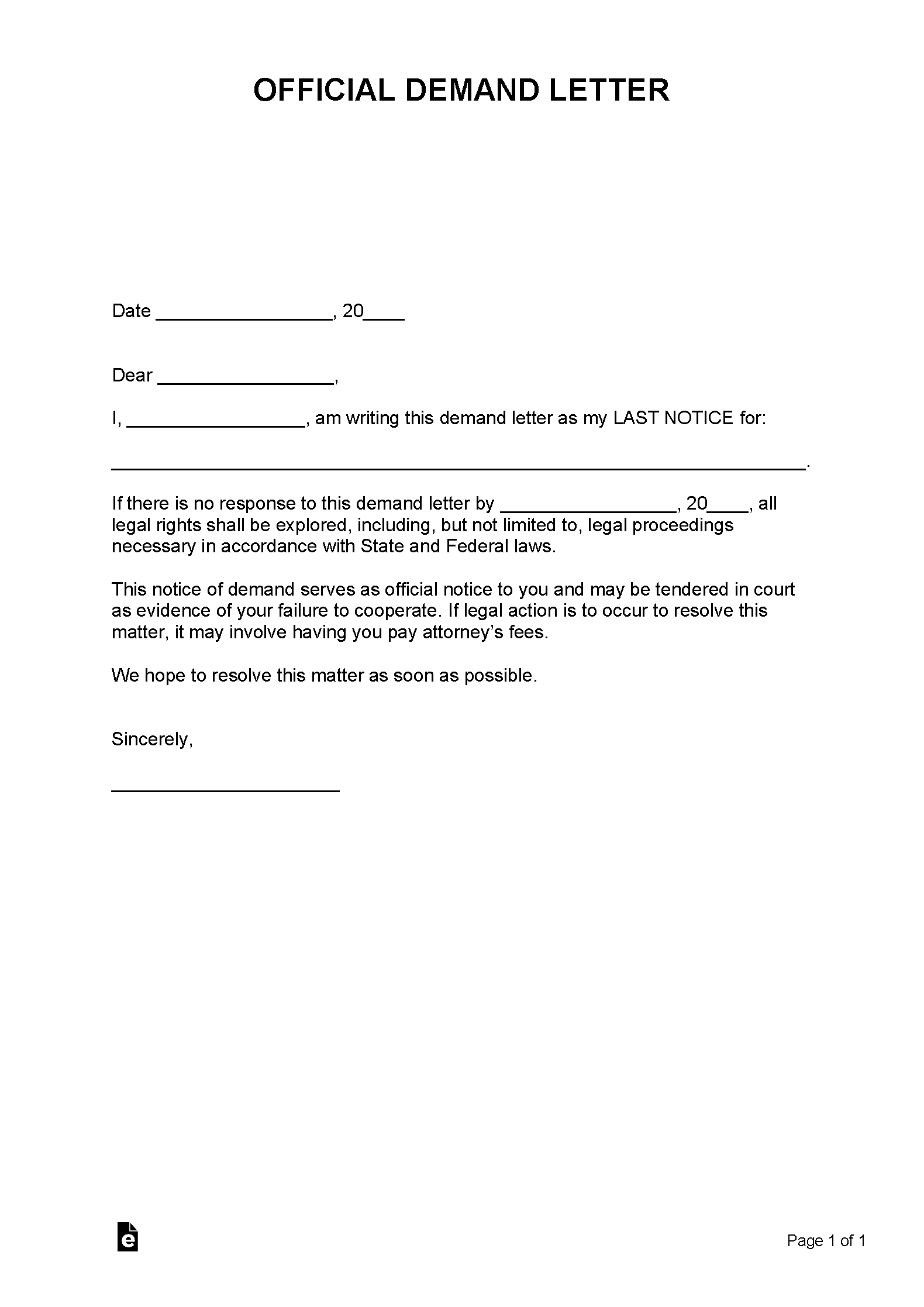
- Send a Written Demand: Consider sending a formal written request for reimbursement of out-of-pocket costs and for appropriate remediation, referencing the VRLTA and the habitability standards.
- File a Complaint: You may file a complaint with your local code enforcement or housing authority, particularly if mold or unsafe conditions persist.
- Small Claims Court: If the landlord refuses to reimburse you voluntarily, you may consider filing a claim in small claims court for your hotel and relocation expenses.
Full Conversation

Do I have a valid legal claim against my landlord for the mold in my apartment?

I understand how concerning mold in your apartment can be. Have you already reported the mold issue to your landlord, and if so, what was their response?

Yes I did, they said it was not mold. It was dirt.

How long has the mold been present in your apartment, and have you experienced any health issues as a result?

It took three weeks for the landlord to bring a contractor out to rip up the floors. The apartment flooded at the end of June. We had to place my boyfriend’s son with his parents and we’ve been staying in hotels out of pocket.

Is there anything else the lawyer should know before I connect you? Rest assured they’ll be able to help with your landlord issue.

Yes

Hello. My name is Richard, and I have been a licensed attorney for over 25 years. Please be advised that this website is for informational purposes only, and I cannot formally represent customers of this website or perform actual legal services on your behalf.
I know your question is important, and I’m working on typing an answer to your question now. Sometimes responses and replies take time, and we ask you to be courteous and patient to allow the expert to type your answers to you and also to others.

What state are you in?

Virginia

In Virginia, landlords are required under the Virginia Residential Landlord and Tenant Act (VRLTA) to maintain rental properties in a fit and habitable condition. That includes keeping the premises free from conditions that pose a material health or safety risk—such as mold resulting from a flood.
Based on what you’ve described, you may have a valid legal claim under one or more of the following theories:
1. Breach of the Warranty of Habitability:
Virginia law imposes an implied warranty that the landlord will maintain the premises in a condition fit for human habitation. A flooded apartment with resulting mold that forced you to relocate and impacted your family’s health or safety could support a claim that the landlord breached that obligation.
2. Constructive Eviction:
If the conditions in the apartment made it uninhabitable and you were essentially forced to leave (which appears to be the case, given that you're staying in hotels and relocated your boyfriend’s son), you may have a claim for constructive eviction. This would allow you to argue that you were justified in vacating the premises and could relieve you from further rent obligations during that time.
3. Reimbursement for Out-of-Pocket Expenses:
You may be able to pursue reimbursement for hotel costs and any other expenses incurred as a result of the uninhabitable conditions—especially if the landlord delayed repairs for three weeks and denied the presence of mold despite visible damage from flooding.
What You Can Do:
- Document Everything: Save all emails, texts, photos, videos, receipts, and medical records if applicable. Documentation of the flooding, mold, and the time it took for repairs will support your position.
- Send a Written Demand: Consider sending a formal written request for reimbursement of out-of-pocket costs and for appropriate remediation, referencing the VRLTA and the habitability standards.
- File a Complaint: You may file a complaint with your local code enforcement or housing authority, particularly if mold or unsafe conditions persist.
- Small Claims Court: If the landlord refuses to reimburse you voluntarily, you may consider filing a claim in small claims court for your hotel and relocation expenses.

If you have any follow-up questions, please let me know.

I was wondering if legal action was the best step, or what should I do?

Unfortunately, I cannot give legal advice as to what you should or should not do. I can only answer general legal questions for educational purposes only.