Jon
Based on what you’ve described, there appear to be strong grounds for a civil action against the school district in Colorado for negligence and failure to protect your grandson from foreseeable harm.
1. Legal Duty of Care Under Colorado Law
Schools in Colorado have a statutory and common law duty to protect students from reasonably foreseeable harm, including bullying and acts of violence. This duty arises from both general negligence principles and specific state statutes designed to ensure student safety.
To establish negligence, the plaintiff (in this case, your grandson’s guardian) must show:
-
The school owed a duty of care to the student.
-
The school breached that duty through inaction or inadequate response.
-
The breach directly caused the child’s physical or emotional injury.
-
The child suffered measurable damages, such as trauma, medical expenses, or emotional distress.
This framework follows Colorado Jury Instructions (CJI-Civ. 9:1 et seq.) and aligns with the standards in Casey v. Christie Lodge Owners Ass’n, 923 P.2d 365 (Colo. App. 1996), which defines negligence as a failure to act with the degree of care a reasonable person would under similar circumstances.
2. Anti-Bullying Statutes in Colorado
Colorado has enacted several laws explicitly addressing bullying and requiring schools to take proactive measures:
-
Ashawnty’s Law (C.R.S. § 22-32-109.1(2)(a)(X)(A)) — Requires every public school to adopt a comprehensive bullying prevention and education policy, to investigate and address incidents, and to report bullying data to the Colorado Department of Education annually.
-
Jack and Cait’s Law (C.R.S. § 22-32-109.1(2)(a)(X)(A.5)) — Strengthens anti-bullying measures, mandates timely parental notification, and requires schools to maintain documentation of reported incidents.
Failure to document or report the first bullying incident constitutes a violation of statutory reporting obligations and may serve as strong evidence of negligent supervision or systemic indifference.
3. The Claire Davis School Saftey Act (C.R.S. § 24-10-106.3)
This landmark statute, enacted after a tragic school shooting, waives governmental immunity in cases where a student is injured or killed by a reasonably foreseeable act of violence that the school failed to prevent.
If the second incident—in which your grandson was rendered unconscious—occurred after the school ignored the initial report, it may qualify as reasonably foreseeable under this Act. The law expressly allows families to bring civil actions for negligence against public schools when harm results from a failure to implement safety protocols or respond appropriately to known threats.
4. Governmental Immunity and Exceptions
While public schools and districts in Colorado are generally shielded by the Colorado Governmental Immunity Act (C.R.S. § 24-10-101 et seq.), immunity is not absolute. Exceptions apply where the school’s conduct falls within statutory waivers — such as those under the Claire Davis Act or where there’s gross negligence in the supervision or protection of students.
Courts have recognized that once a school has notice of a potential threat or prior incident, failure to act may remove immunity protection and establish liability for foreseeable harm.
5. Evidence and Documentation
The facts you’ve described — including:
-
The school’s failure to report the first bullying incident;
-
The second violent episode resulting in your grandson’s emergency room treatment;
-
The involvement of law enforcement and hospital staff; and
-
An official police report —
provide substantial evidence of both harm and foreseeability. These records will be crucial in establishing the causal link between the school’s negligence and your grandson’s injuries.
6. Recommended Next Steps
-
Consult a Colorado education or personal injury attorney experienced in school negligence and governmental claims.
-
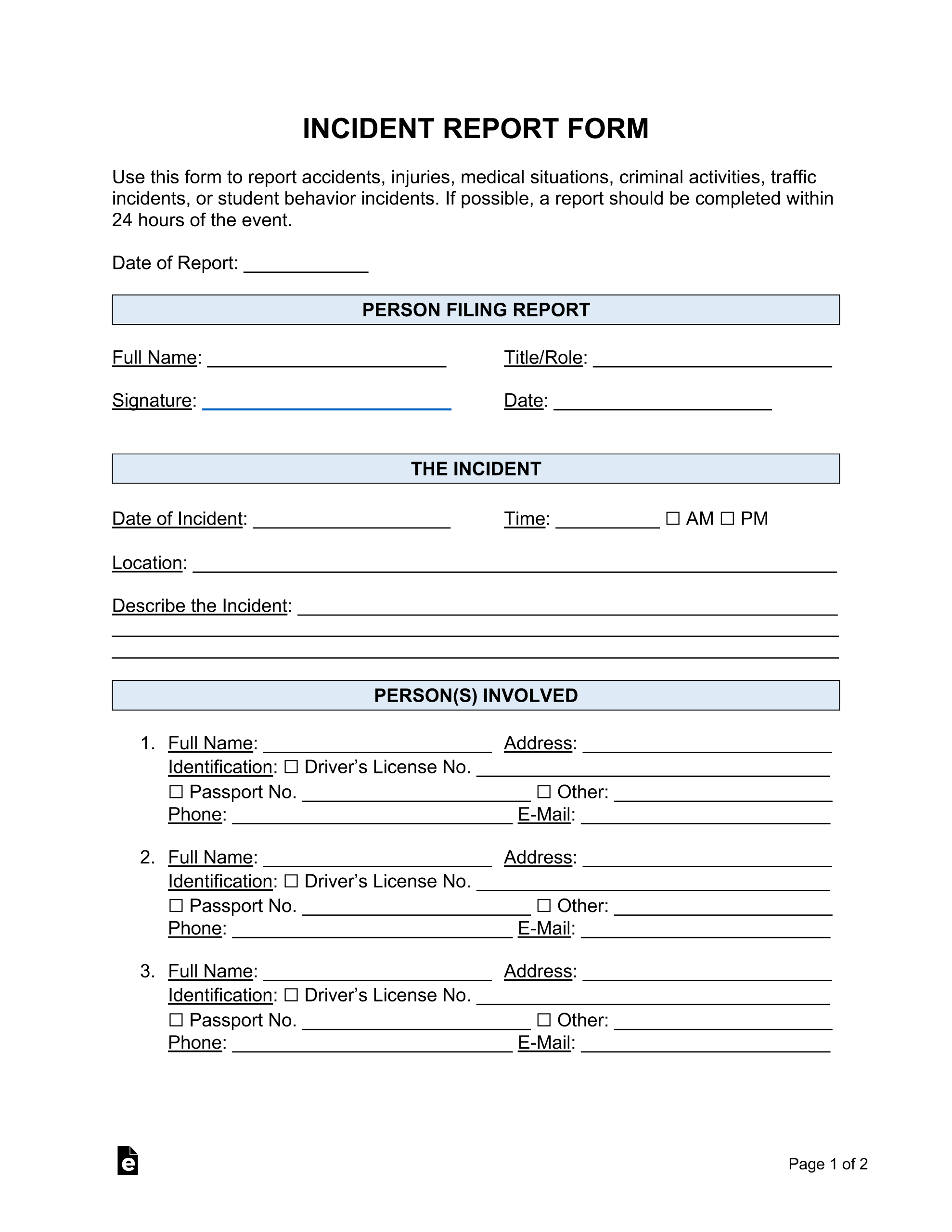
Ensure all medical, school, and police documentation is preserved.
-
File a Notice of Claim within 182 days of the incident, as required under C.R.S. § 24-10-109, to preserve your right to sue a public entity.
-
Discuss whether the case falls under the Claire Davis Act, which allows for a direct civil claim despite immunity.