[WA] How do I revoke a roofing insurance waiver after the homeowner refused repairs?
At this point, the main goal is to protect your license and reputation by withdrawing your professional opinion in a way that’s legally valid. You’ll want to talk to an attorney right away, but here’s what that conversation might include.
You could formally revoke your opinion in writing. That means sending the customer a certified letter stating that your earlier statement—that the roof is “good for three years without repairs”—was based on the expectation that repairs would be completed right away. Since the customer refused to allow those repairs, your certification is no longer valid. The letter should clearly describe which repairs were needed and how the customer’s refusal changes the condition of the roof. It’s also smart to send a copy of this letter to the insurance company that received the original waiver, so they know your certification no longer stands.
Documentation will be your best protection. Write down everything—the date you signed the waiver, the wording on it, the conversations where the customer refused the repairs, and why you believe the roof needs immediate work. Photos and inspection notes are especially valuable.
Your attorney may also recommend contacting the insurance company directly. Let them know the waiver was only meant to apply if the repairs were made. Once they understand the customer’s refusal, the insurer might decide to cancel coverage rather than risk a future claim that could involve both them and you.
In short, your top priority is to revoke your professional opinion in writing and consult a Washington attorney as soon as possible. Acting quickly helps protect your business, your license, and your reputation from any fallout if the roof fails later on.
0
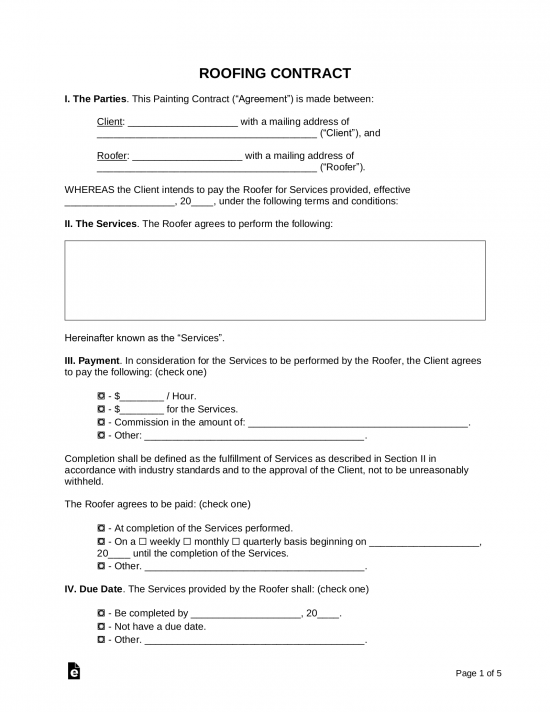
Roofing Contract Tempalte
Full Conversation
Customer won’t let me do repairs for insurance waiver.
Lexi, Chatbot
I understand how frustrating it can be when a customer is uncooperative regarding necessary repairs. Can you tell me what specific repairs you are trying to perform?
Talk to human
Lexi, Chatbot
Have you already communicated with the customer about the insurance waiver and their concerns?
Yes.
Lexi, Chatbot
Is there anything else the lawyer should know before I connect you? Rest assured they’ll be able to help with your insurance waiver.
Yes.
Jon
Hello, and thank you for reaching out. I’m Jon, a licensed attorney with over 13 years of experience, here to help.
I understand legal matters can feel overwhelming, but you’re in good hands. My goal is to explain things clearly and guide you toward the best possible solution for your situation.
Just a quick note: Our conversation is for general legal information only and does not create an attorney–client relationship.
Can you please tell me which state this issue is taking place in?
WA State. I signed a waiver for a customer’s insurance with the agreement that I could come back and do repairs so his roof doesn’t leak. We talked about scheduling the repairs and he said okay. When I called him to do the repairs he declined to do said repairs, so now my issue is my name is on it, and his roof needs repairs.
Jon
Thanks for sharing that. It sounds like a tricky situation. Could you tell me if there was any written agreement or documentation regarding the waiver and the repairs?
No, I signed the waiver because the deadline for his insurance, and we verbally agreed to do the repairs when it fit our schedules a couple weeks later.
Jon
Got it, thanks for clarifying. Could you explain a bit more about what the waiver covered and any potential consequences if the repairs aren't completed?
The waiver was for his insurance who was about to drop him. Basically it says in my professional opinion as a licensed roofer, the roof is good for 3 years without repairs.
Jon
Understood! I believe I have all the information I need. Is there anything else you'd like to add before I start working on your answer? If not, I’ll get started right away.
All I would really like to do is find some way to legally revoke that waiver saying the homeowner didn’t do the repairs and get my name off of it.
Jon
Got it! I just need a few minutes to put together a complete response for you. It shouldn’t take longer than about 4–5 minutes, and I want to make sure it’s clear and comprehensive. Thanks so much for waiting—I really appreciate your patience.
No problem, thank you for your time.
Jon
This is a tough spot to be in because your professional license and reputation are now connected to a roof that you believe needs repairs, but the customer is refusing to move forward. That puts you in a risky position, especially since your name is on a waiver saying the roof will last three years without repairs.
Before anything else, it’s important to know that I can’t give legal advice, but I can help you understand what’s happening and what steps you might discuss with a Washington attorney who knows construction or professional liability law.
In Washington State, when you signed that waiver, you essentially gave a professional opinion saying the roof was in good shape for three years. That statement carries legal weight because it’s your certification as a licensed roofer. If the roof leaks or fails before that time and causes damage, the homeowner or their insurance company could accuse you of negligence or professional error. The problem is that you already knew the roof needed repairs and only signed the waiver based on the customer’s verbal promise to fix it later. Unfortunately, that kind of verbal agreement doesn’t hold much legal weight, especially when the written document—the waiver—says something different.
Washington law (RCW 19.186.020) requires roofing and siding contracts to be in writing and to include specific details. Since the repair agreement was only verbal, it’s not a strong defense. The written waiver becomes the document that defines your responsibility, even though you knew it didn’t reflect the true condition of the roof.
Jon
At this point, the main goal is to protect your license and reputation by withdrawing your professional opinion in a way that’s legally valid. You’ll want to talk to an attorney right away, but here’s what that conversation might include.
You could formally revoke your opinion in writing. That means sending the customer a certified letter stating that your earlier statement—that the roof is “good for three years without repairs”—was based on the expectation that repairs would be completed right away. Since the customer refused to allow those repairs, your certification is no longer valid. The letter should clearly describe which repairs were needed and how the customer’s refusal changes the condition of the roof. It’s also smart to send a copy of this letter to the insurance company that received the original waiver, so they know your certification no longer stands.
Documentation will be your best protection. Write down everything—the date you signed the waiver, the wording on it, the conversations where the customer refused the repairs, and why you believe the roof needs immediate work. Photos and inspection notes are especially valuable.
Your attorney may also recommend contacting the insurance company directly. Let them know the waiver was only meant to apply if the repairs were made. Once they understand the customer’s refusal, the insurer might decide to cancel coverage rather than risk a future claim that could involve both them and you.
In short, your top priority is to revoke your professional opinion in writing and consult a Washington attorney as soon as possible. Acting quickly helps protect your business, your license, and your reputation from any fallout if the roof fails later on.
An issue with that, I'm not sure who his insurance company is, and I believe it's protected legally so I can't find out.
Jon
You are correct that a homeowner's insurance policy details are private, and you are not entitled to that information. However, you do not need the specific name of the insurance company or the policy number to protect yourself.
You must immediately send the homeowner a formal, written notice via certified mail with return receipt requested. This letter must clearly state that your professional certification (the waiver) was contingent upon the agreed-upon repairs being completed. Because the customer has since refused to allow those necessary repairs, your opinion that the roof is "good for 3 years without repairs" is now formally and legally revoked and nullified.
Crucially, the letter should instruct the homeowner that they have a duty to immediately forward this revocation notice to their insurance carrier.
Keeping the certified mail receipts and a copy of the letter is essential for your defense against any future liability claims or issues with your WA contractor license. Consult with an attorney experienced in construction law immediately to ensure the letter's language offers maximum legal protection.
Okay, so I can just send notice to the customer, and it leaves it up to them to forward it to their insurance, or not, but by sending it to them, it removes the legal responsibility from me?
Jon
Yes, sending the formal, documented revocation notice to the customer is the primary way to remove your liability. You are officially retracting your professional opinion because the homeowner refused the necessary, contingent repairs. This action shifts the burden of risk and notification to the homeowner, who is legally obligated to inform their insurance carrier of the change in the property's condition. While this doesn't guarantee you'll avoid a complaint, it provides strong, critical evidence for your legal defense against any future claims.
Gotcha, that's the best I can do given the situation, the waiver not having any of that repair agreement on it?
Jon
Yes, given the verbal nature of the repair agreement and the written waiver, sending the formal, documented revocation notice to the customer via certified mail is the single most critical step you can take. This action legally severs your professional liability by correcting the record and proving you took immediate, reasonable action to nullify the initial opinion due to the customer's refusal of necessary repairs.
Thank you.
Jon
You're welcome! I do hope the information I provided was helpful and addressed your question. If there's anything else you need, please don't hesitate to reach out. Wishing you a fantastic day ahead!
Disclaimer
By messaging AskaLawyer.com, you agree to our Terms and have read our Privacy Policy.
The information provided on AskaLawyer.com is for general informational purposes only and does not constitute legal advice. While we strive to ensure the accuracy and timeliness of the information presented, we make no guarantees regarding its completeness or applicability to your specific circumstances.
Use of this website does not create an attorney-client relationship between you and AskaLawyer.com or any of its attorneys. Communications through this website, including any responses from attorneys, are not privileged or confidential. For advice tailored to your individual situation, we recommend consulting a licensed attorney in your jurisdiction.
AskaLawyer.com disclaims any liability for actions taken or not taken based on the content of this site. We are not responsible for any third-party content that may be accessed through this website. Reliance on any information provided herein is solely at your own risk.