Blake
Thank you for explaining — I completely understand your goal of maintaining privacy while registering and insuring a vehicle in Kentucky using a Wyoming trust. This is a common strategy for those seeking asset protection or privacy, and while it's legally feasible, there are several steps and important caveats to be aware of. I’ll walk you through each phase theoretically, based on your goals:
1. Set Up the Wyoming Trust
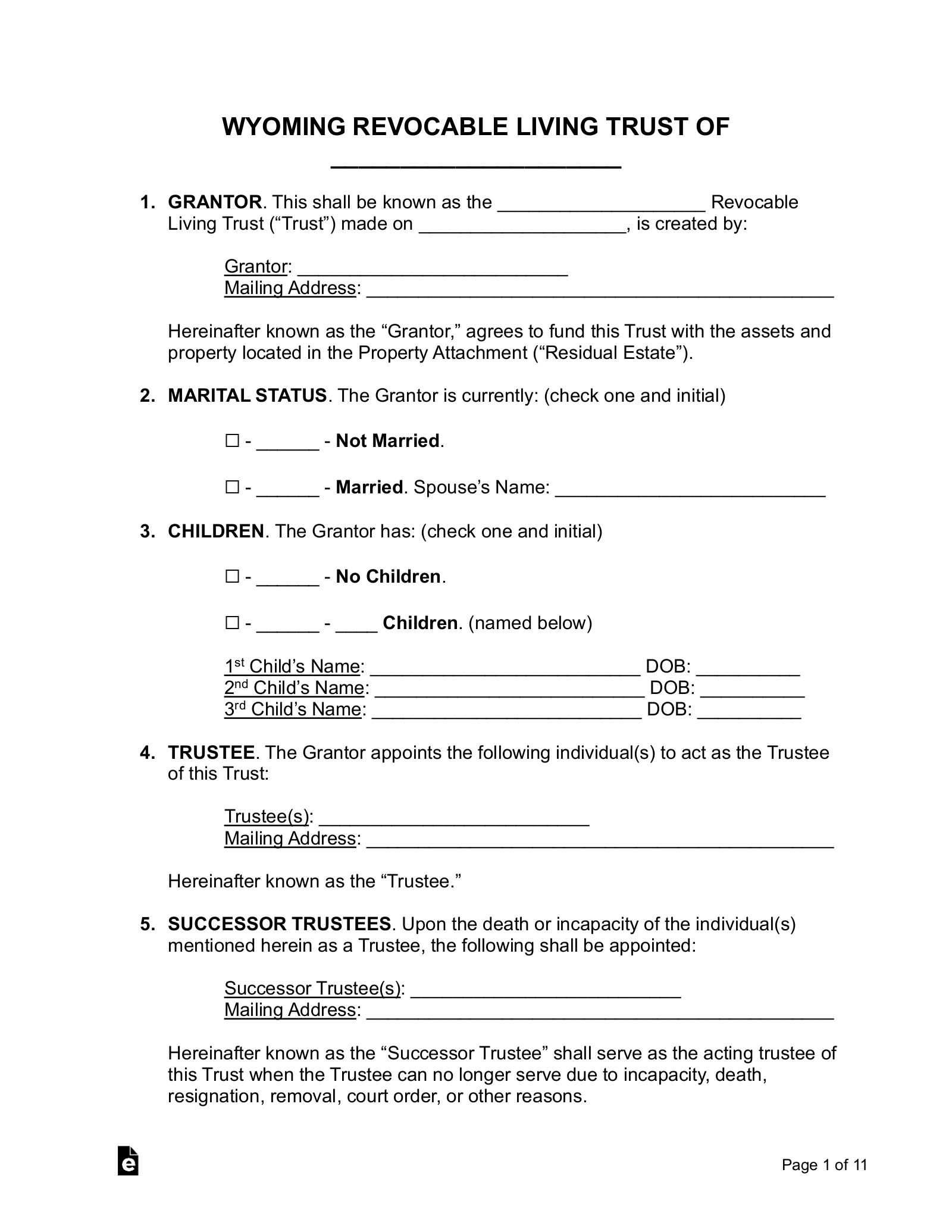
- You’ll need to establish a Wyoming trust first, since the trust itself is the legal entity that will take title to the vehicle. Wyoming is popular because it doesn’t require the trustee or beneficiaries to be publicly listed.
- Form a Wyoming trust through a Wyoming attorney or a reputable trust service. Use a trustee who is not you (or use a nominee) if your goal is to keep your name off public records entirely.
- Ensure the trust has an EIN (Employer Identification Number) from the IRS. You’ll need this for title and insurance purposes.
2. Buying the Vehicle in the Name of the Trust
- At the dealership or private sale, instruct the seller to title the car directly to the Wyoming trust, not to you personally.
- The buyer's name should be something like: “[Name of Trust], by [Trustee Name], Trustee.”
- Provide the trust documents (or a Certificate of Trust or Affidavit of Trust) to the seller and eventually to the DMV and insurer to verify authority.
- Use the trust’s EIN where needed instead of your SSN.
3. Registering the Vehicle in Kentucky in the Trust’s Name
Kentucky will allow a vehicle to be titled in a trust, but here’s what you should prepare for:
- Submit the title application (Form TC 96-182) listing the trust as owner.
- Provide a copy of the trust or Certificate of Trust to the county clerk.
- Declare the garage location (your storage unit) — Kentucky law requires disclosure of the vehicle’s garaging location for registration and tax purposes, even if it’s not your residence.
- Use the storage unit address as the "garage address" for both registration and insurance purposes.
You may still be required to list a Kentucky mailing address, which can be a P.O. Box or business mail service if needed for privacy.
Note: Kentucky may not allow anonymous registration. If you act as trustee, your name may appear on some internal forms or insurance paperwork, even if not the title itself.
4. Insuring the Vehicle in the Trust’s Name
Many insurers will allow a trust to be the named insured or additional interest.
You will need to disclose:
- The trust’s EIN
- The garaging address (your storage unit)
- The primary driver — typically you — and this will associate you with the vehicle on the insurance record.
- The policy should be issued to something like: “The [Trust Name], c/o [Your Name as Driver].”
So, while the title can be in the trust's name and help shield ownership publicly, the insurance policy will still need to reflect the actual driver, and Kentucky DMV records may associate your name as trustee if you do not use a third-party nominee.
Final Notes & Considerations
- Kentucky law requires disclosure of the actual owner and garaging location, so full anonymity isn’t legally achievable without skirting registration laws, which is not advisable.
- Consider using a nominee trustee or trust management company if you want an additional layer of privacy.
- You should also speak with a Kentucky attorney to ensure compliance with both trust and DMV regulations — and to avoid potential issues like accusations of misrepresentation or insurance fraud.
- Local attorneys familiar with both Kentucky and Wyoming trust laws can be found at www.avvo.com.
Does this answer your question and do you understand the answer completely? Please let me know if you have any follow-up questions or if anything in this answer was unclear, and I will be happy to help.