Jon
Handling a switch to representing yourself in the middle of an active case is a big move, especially when you believe decisions were made without your consent or based on facts that aren't accurate. In the General District Court in Alexandria, Virginia, there are a few practical steps you can take to straighten things out and make sure your position is clearly on record.
The first thing you need to deal with is the fact that your attorney is still officially listed on the case. Until that changes, the court expects your lawyer, not you, to file anything. To fix that, you would file a Motion to Substitute Counsel or a Motion to Discharge Counsel and Proceed Pro Se. This is simply you telling the court, in writing, that you are now handling your own case. If time matters, and it sounds like it does, you can also ask the court to hear that request quickly by requesting an expedited hearing.
Once that's handled, you can focus on correcting what you believe is wrong in the court's prior order. If the judge relied on incorrect information, such as the claim that there were "surplus funds" in escrow when there actually aren't, you can file a Motion for Reconsideration. In that motion, you explain clearly that the order was based on a material factual error. If the order requires you to pay $2,700 and your income is only $812 per month, that's something the court needs to see in plain numbers. You can support that by filing an Affidavit of Indigency or a Petition to Proceed In Forma Pauperis, which tells the court you do not have the financial ability to meet that obligation. Virginia law addresses this directly: under (VA Code § 17.1-606), a person who is unable to pay court fees or costs due to poverty may ask the court for leave to sue or defend without paying those fees.
If there's a risk of eviction tied to all of this, you may also need to file another Motion to Stay, especially if the earlier stay was denied based on incorrect assumptions. In that filing, you can explain that the "surplus funds" strategy was submitted without your informed consent and that it simply isn't possible based on the actual facts.
It's also important to point out anything the court should weigh in fairness, like your status as a senior and the fact that there is still a pending case in the Fourth Circuit Court of Appeals. Courts do consider judicial economy, meaning it may not make sense to move forward with an eviction if a higher court could change the outcome of the underlying foreclosure.
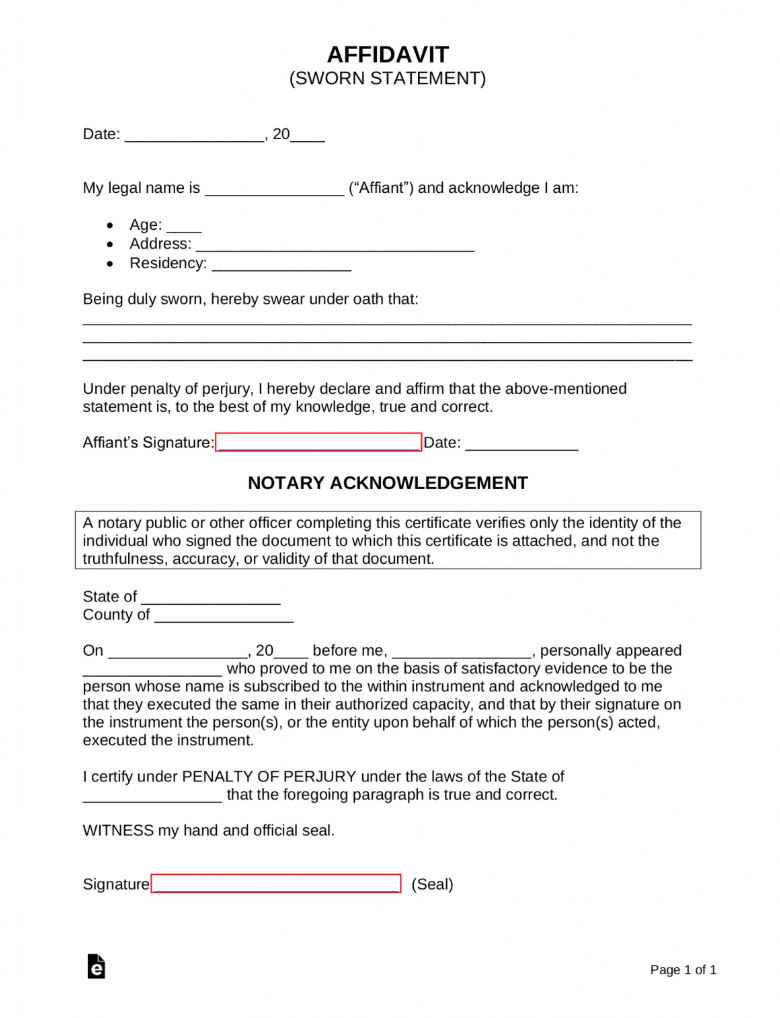
To make sure your side of the story is fully documented, you can also file a sworn declaration or affidavit under penalty of perjury. This is where you lay out, in your own words, the specific facts, evidence, or case law that you believe were left out or mishandled before. It doesn't have to follow a complicated format, it just needs to be truthful, clear, and signed under oath so the judge can rely on it as part of the record.
On a practical level, the clerk's office at the Alexandria General District Court can be a helpful starting point for forms and filing procedures. They can't give legal advice, but they can point you to the right paperwork and explain how to file it. Given your income and circumstances, it's also worth reaching out to Legal Services of Northern Virginia, which often helps seniors dealing with eviction or foreclosure issues.
Finally, keep in mind that if the General District Court rules against you, Virginia law usually gives you a very short window, often just 10 days, to file a Notice of Appeal to the Circuit Court under (VA Code § 16.1-106). That appeal gives you a completely new trial, not just a review of what already happened, so meeting that deadline is critical if you need to go that route.