[GA] Can a former contractor sue for travel pay and misclassification under the FLSA?

Lawyer, Esquire
Lawyer, Esquire

25 satisfied customers

View context
Solved

Good call wanting to understand this better before settling. Let me break down travel pay under the Fair Labor Standards Act in plain English.

What counts as paid travel time: The FLSA says you have to pay employees for travel time in certain situations. The main rule is that travel time counts as work time if it’s part of the employee’s job duties. For example, if an employee drives a company truck to a job site, that driving time is usually paid because the travel itself is part of the work.

What doesn’t count as paid travel time: Travel that’s just getting to and from work generally doesn’t have to be paid. So if an employee drives from home to your office, that’s their commute and you don’t have to pay for it. The same applies to travel between job sites if the employee is just a passenger and the travel itself isn’t the work being done. (29 U.S.C. § 254)

How this applies to your situation: Based on what you’ve told me, your guy was always a passenger. He never drove. That’s the key detail. Courts have ruled that being a passenger between job sites doesn’t qualify as compensable work time under the FLSA. The travel wasn’t his job; getting to the job was just part of getting there to do his actual work.

The exception that matters: If he was misclassified as a contractor when he should have been an employee, then the FLSA applies to him at all. Independent contractors aren’t covered by the FLSA. (29 U.S.C. § 203) So the other side’s argument probably hinges on saying he was really an employee, not a contractor. If they can prove that, then other FLSA issues open up beyond just travel pay, like whether he got overtime and whether he was paid minimum wage. (29 U.S.C. § 206)

What your pay structure tells us: You paid him daily rates based on work performed, with a guaranteed minimum weekly pay. That’s pretty typical of contractor arrangements. Employees usually get hourly or salary pay. Your setup suggests he was legitimately a contractor, which would mean the FLSA doesn’t apply to him in the first place.

The settlement angle: Right now the other side probably figures they have leverage because of the withheld paycheck issue. That’s a real problem under state wage laws, and it’s probably what they’re counting on to push you toward settling. The travel pay claim itself is weak, but the misclassification question and the withheld pay are what give them negotiating power.

If you can show he was a legitimate contractor based on how you paid him and how he worked, that undermines their whole case. But you’d need documentation showing the contractor relationship, like any agreements you had, how often he worked, whether he could work for others, and similar things.

Does this help you understand where the real vulnerabilities are and where you’re on stronger ground?

0

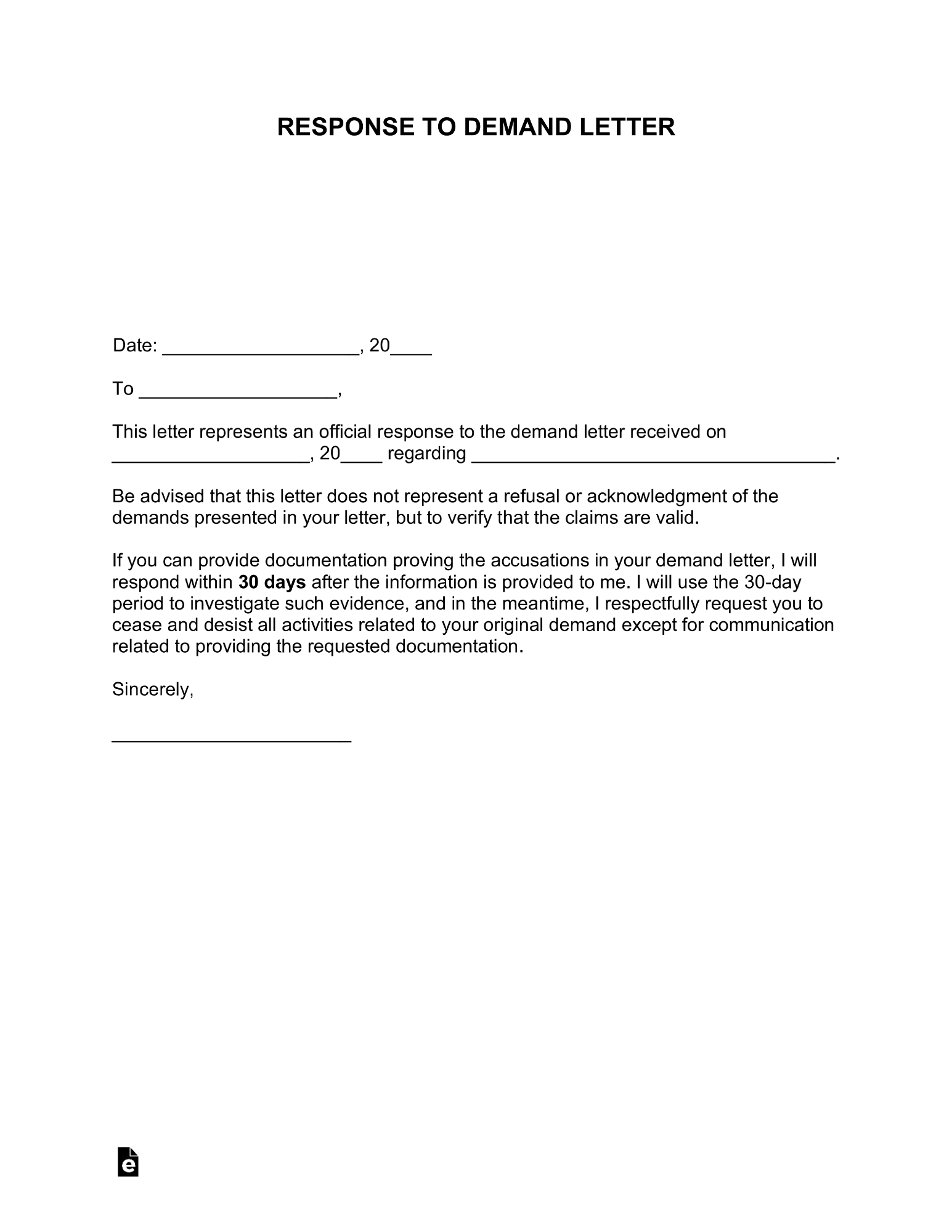
Response to Demand Letter

Response to Demand Letter preview

Full Conversation


I have an ex-employee/contractor trying to sue me over travel pay according to the Fair Labor Standards Act. Pay for travel is required, but he never drove anywhere; he was always just a passenger.

Lexi

Lexi, Chatbot

I understand how concerning it can be to face a lawsuit from a former employee or contractor. Can you tell me when the travel pay issue first arose?

After he quit and left the job, we kept his last check for money that he owed.

Lexi

Lexi, Chatbot

Have you had any prior communication with this ex-employee regarding their claims about travel pay?

No, it’s something his lawyers came up with, and they’re trying to say I should have classified him as an employee versus a contractor, but he was always paid a day rate.

Lexi

Lexi, Chatbot

Is there anything else the lawyer should know before I connect you? Rest assured they’ll be able to help with your travel pay dispute.

Yes.

Lawyer, Esquire

Lawyer, Esquire

Hello! My name is TJ, and I’m an attorney with over 20 years of experience. Thanks so much for the opportunity to assist you! I can see how frustrating this must be, especially since you paid him a day rate and he was never actually driving. It sounds like there’s a real question here about whether he was even entitled to travel pay in the first place.

What state is this happening in? And do you have a zip code handy?

Our company does work in Georgia, Florida, Alabama, South Carolina, and North Carolina. For him, it was only Alabama, Florida, and Georgia. We are located in Georgia, and the ZIP Code is 30041.

Lawyer, Esquire

Lawyer, Esquire

Thanks for that info. Let me walk you through how travel pay works under the Fair Labor Standards Act. The FLSA requires employers to pay for travel time in certain situations, but it’s not a blanket rule. The key issue is whether the travel was part of his work duties or just incidental. Since he was always a passenger and never drove, that actually cuts in your favor. Courts generally don’t require pay for time spent as a passenger traveling between job sites, especially if it’s just getting to and from work locations.

The bigger problem the other side might push is the employee versus contractor classification. If he was misclassified as a contractor when he should have been an employee, that opens up a bunch of issues beyond just travel pay. The FLSA has specific tests for this, and paying someone a day rate doesn’t automatically make them a contractor. But from what you’re describing, it sounds like there may be legitimate reasons he was a contractor.

There’s also the issue of him quitting and you holding his final check. Depending on how much he owed and what it was for, that could be a separate problem under state wage laws, even if the travel pay claim itself doesn’t have legs.

When you held that final check, what was the amount he owed you for, and roughly how much was it?

We owed him $600, which was his weekly pay, and he owed us right at $700 from pay advances in money that went to him to survive. Our job does require a lot of travel to and from job sites in different states.

But we never paid him hourly; we always paid them daily, half-day, or a percentage of the job for surveys. At the end, he had a minimum weekly pay, and everything over that he got extra.

Lawyer, Esquire

Lawyer, Esquire

That pay structure actually helps your position. The fact that you paid him a daily rate based on work performed, with a guaranteed minimum weekly pay, suggests he had more of an independent contractor arrangement. That’s different from an hourly employee setup, and it supports the classification you used.

The core issues remain the same though: the withheld paycheck is still problematic under state wage laws, and the travel pay claim itself is weak since he was a passenger. But your compensation method does strengthen the contractor argument.

Is there anything else you’d like to talk through, or does this give you what you need to discuss with your own attorney about how to respond to the lawsuit?

Is there anything else I can help you with?

I really just need a breakdown in plain English. The Fair Labor Standards Act on travel is confusing because I don’t speak law, and my lawyer is very expensive but doesn’t seem to be doing very much. It seems he might be doing more than I know, because I don’t speak law. All I know is it’s federal, and they’re just trying to make us settle, which I understand. But if we had a better understanding of travel law and everything, it would help negotiate a better settlement.

Lawyer, Esquire

Lawyer, Esquire

Good call wanting to understand this better before settling. Let me break down travel pay under the Fair Labor Standards Act in plain English.

What counts as paid travel time: The FLSA says you have to pay employees for travel time in certain situations. The main rule is that travel time counts as work time if it’s part of the employee’s job duties. For example, if an employee drives a company truck to a job site, that driving time is usually paid because the travel itself is part of the work.

What doesn’t count as paid travel time: Travel that’s just getting to and from work generally doesn’t have to be paid. So if an employee drives from home to your office, that’s their commute and you don’t have to pay for it. The same applies to travel between job sites if the employee is just a passenger and the travel itself isn’t the work being done. (29 U.S.C. § 254)

How this applies to your situation: Based on what you’ve told me, your guy was always a passenger. He never drove. That’s the key detail. Courts have ruled that being a passenger between job sites doesn’t qualify as compensable work time under the FLSA. The travel wasn’t his job; getting to the job was just part of getting there to do his actual work.

The exception that matters: If he was misclassified as a contractor when he should have been an employee, then the FLSA applies to him at all. Independent contractors aren’t covered by the FLSA. (29 U.S.C. § 203) So the other side’s argument probably hinges on saying he was really an employee, not a contractor. If they can prove that, then other FLSA issues open up beyond just travel pay, like whether he got overtime and whether he was paid minimum wage. (29 U.S.C. § 206)

What your pay structure tells us: You paid him daily rates based on work performed, with a guaranteed minimum weekly pay. That’s pretty typical of contractor arrangements. Employees usually get hourly or salary pay. Your setup suggests he was legitimately a contractor, which would mean the FLSA doesn’t apply to him in the first place.

The settlement angle: Right now the other side probably figures they have leverage because of the withheld paycheck issue. That’s a real problem under state wage laws, and it’s probably what they’re counting on to push you toward settling. The travel pay claim itself is weak, but the misclassification question and the withheld pay are what give them negotiating power.

If you can show he was a legitimate contractor based on how you paid him and how he worked, that undermines their whole case. But you’d need documentation showing the contractor relationship, like any agreements you had, how often he worked, whether he could work for others, and similar things.

Does this help you understand where the real vulnerabilities are and where you’re on stronger ground?

Yeah, a little bit.

Lawyer, Esquire

Lawyer, Esquire

What part would help to dig into more? Or is there anything else I can clarify about how travel pay works or what you're facing with this lawsuit? Thank you for using our service.

Lawyer, Esquire

Lawyer, Esquire

25 satisfied customers

Lawyer, Esquire
Welcome! Have a similar question?

12 lawyers online now

0:00

By messaging AskALawyer, you agree to our Terms and Privacy Policy.

Disclaimer


By messaging AskaLawyer.com, you agree to our Terms and have read our Privacy Policy.

The information provided on AskaLawyer.com is for general informational purposes only and does not constitute legal advice. While we strive to ensure the accuracy and timeliness of the information presented, we make no guarantees regarding its completeness or applicability to your specific circumstances.

Use of this website does not create an attorney-client relationship between you and AskaLawyer.com or any of its attorneys. Communications through this website, including any responses from attorneys, are not privileged or confidential. For advice tailored to your individual situation, we recommend consulting a licensed attorney in your jurisdiction.

AskaLawyer.com disclaims any liability for actions taken or not taken based on the content of this site. We are not responsible for any third-party content that may be accessed through this website. Reliance on any information provided herein is solely at your own risk.

Ask a Lawyer Logo
Ask a Lawyer Logo
Intake Questions
Step  of 3
Loading...

What's your legal question?

Lexi, Chatbot

How would you like your legal question to be answered?

Online

Legal AI

Using ChatGPT 4o

Loading...

How do you like to pay?

By proceeding with payment, you agree to our Terms and Privacy Policy. You authorize us to charge $ today and $ thereafter until canceled. You may cancel anytime in the My Account section to stop future charges.

Total Due:

After purchasing, your chat will begin with an attorney.

By proceeding with payment, you agree to our Terms and Privacy Policy. You authorize us to charge $ today and $ thereafter until canceled. You may cancel anytime in the My Account section to stop future charges.

Total Due:

After purchasing, your chat will begin with an attorney.

After connecting, your chat will begin with an attorney. After choosing, your chat will continue with Legal AI.

It looks like you already have an account with Ask a Lawyer.

We have sent you a magic link to . Click the link in your email to sign in and continue your chat.

spin

Step of 6 •

You'll receive an email at as soon as the lawyer joins the conversation 🙏🏻😊

Over 90% of lawyers connect within 5 minutes. If you're not online at that moment, don't worry — the lawyer will reply to your message while you're away.

You're also welcome to stay in the chat while waiting to be connected 💬✨

Waiting for lawyer

We couldn't send your message. Please try again.

Your lawyer will reply as soon as possible

If there’s a delay, please don’t worry. Your chat will stay open, and they’ll get back to you as soon as they can. There’s no rush on your end either. You’ll receive an email notification as soon as there’s a new message.

You've reached your AI chat limit

Upgrade your plan to continue chatting and get instant domain-specific answers.

0:00