Can an employee take back a resignation made under pressure due to a mental health condition?

Dan
Dan

30,386 satisfied customers

View context
Solved

It sounds like you have been facing a very difficult situation at work, both emotionally and professionally. From what you described, you were put on a performance improvement plan after struggling with attendance and engagement, which is understandable given your mental health challenges. Then, you were presented with what sounds like a pressured choice between resigning or being terminated.

Based on your account, this situation could involve your rights under the Americans with Disabilities Act (ADA), and potentially the Family and Medical Leave Act (FMLA), depending on your employer's size and your eligibility. Both laws protect workers who experience serious mental health conditions and may require reasonable accommodations or medical leave before being forced to resign or terminated. The ADA's implementing regulations specifically address an employer's duty to provide reasonable accommodations, such as modified schedules or leave, for employees with a qualifying mental health condition, which is relevant background here even though it wasn't raised by name earlier. (42 U.S.C. § 12112) Let's talk through what steps you can take from here to understand and protect your rights:

  1. One option is to request a formal withdrawal of your resignation, explaining that your mental health condition affected your ability to make a clear and voluntary decision at the time. You can do this in writing to HR and mention that you are seeking a medical evaluation to confirm your condition. You might also note that you did not feel you had adequate time or support to consider alternatives to resignation. This approach does not guarantee reinstatement, but in some workplaces it can prompt HR to pause and reconsider, especially if your resignation felt coerced or rushed.
  2. A second step to consider is obtaining a mental health evaluation as soon as possible. If a licensed professional diagnoses depression, anxiety, or another condition that substantially limits major life activities like concentration or communication, that documentation could support your right to a reasonable accommodation under the ADA. Examples include modified work hours, remote arrangements, or temporary leave. If you obtain this documentation quickly, it could also help if you decide to challenge the resignation or raise a claim for constructive discharge, which occurs when working conditions effectively force someone to quit.
  3. A third option is to file a charge with the Equal Employment Opportunity Commission (EEOC), if you believe your employer failed to accommodate your mental health condition or treated you unfairly because of it. This is free to file and does not require a lawyer at the start. Typically, the EEOC would review whether your employer made a good faith effort to provide accommodations before pushing for resignation. You generally must file within 180 days of the event, though some states extend this to 300 days if you also file with a state agency.

In your situation, the most constructive first step may be to get that mental health evaluation and then contact HR in writing to explain your diagnosis and request that they reconsider or extend your resignation date while you explore possible job-protected medical leave. Doing so shows good faith and may preserve your legal position if things escalate later. Please let me know if these options make sense to you. I am happy to explain anything further. It's important to me that you fully understand your choices.

0

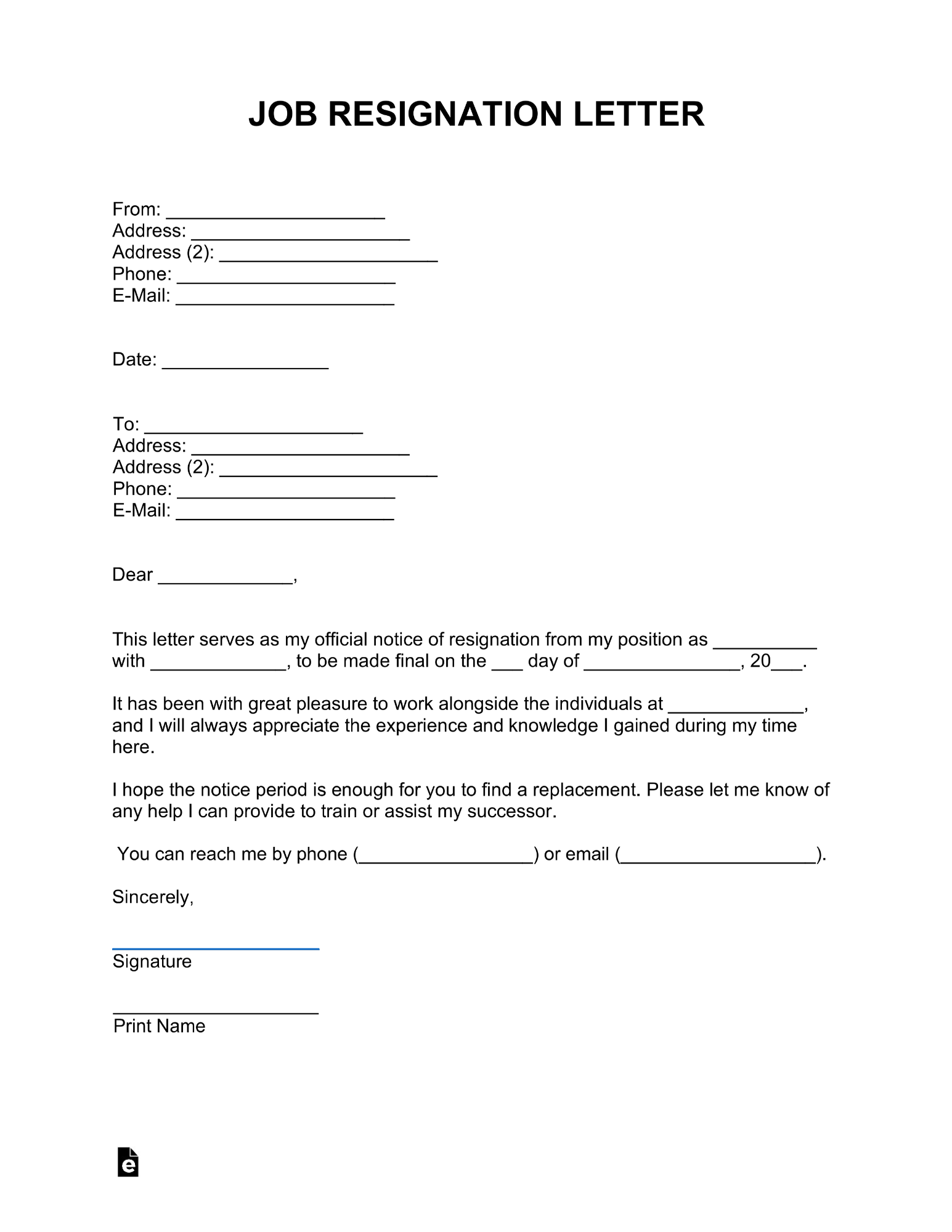
Job Resignation Letter Template

Full Conversation


I have a scenario that I'd like to ask a lawyer about relating to a work resignation I recently put in. Do I type it all out here to see if there's any advice on what I should do or if there's a potential case on my hands?

Lexi

Lexi, Chatbot

I understand that navigating a work resignation can be challenging. Can you share the specific circumstances surrounding your resignation?

Yes, how detailed should it be? Around 3 weeks ago I was placed on a PIP due to declining communication and arriving late to work or leaving early. Because of some mental health reasons I wasn't as urgent to act as I would be under normal circumstances, and I was forced into a meeting with HR. They explained that there were 3 options since things weren't looking much better besides me arriving earlier to work. They told me I could resign on April 1 with paid leave until then, resign effective immediately, or not resign but face termination very soon.

I'm trying to find a new job since this job's location is causing my health to decline, and I took the first option since that has the most guaranteed paid days for myself. But I'm thinking that I should get a mental evaluation because I have been displaying obvious signs of depression and potentially BPD, but I don't know if that would affect the previous decision I made when I met with HR at work last week.

Lexi

Lexi, Chatbot

Have you experienced any issues or conflicts with your employer related to your resignation?

I told them I would take the paid leave with April 1 resignation and they didn't send me any documents further outlining what would happen. They cut off my work laptop access, but I think that's normal from what I read online. Besides that there wasn't much time to think or do any actions, they only gave me 24 hours to decide.

Lexi

Lexi, Chatbot

Is there anything else the lawyer should know before I connect you? Rest assured they'll be able to help with your work resignation.

No.

Dan

Dan

Hello, and welcome to AskaLawyer. My name is Daniel, and I've been a licensed attorney for over 22 years. I'm sorry you're dealing with this situation, and I'll do everything I can to help. It sounds like you're concerned about the implications of your resignation decision, especially considering your mental health and the pressure from HR. Is that right?

There's been no contact since I confirmed that I'm going to resign April 1 with paid leave until then. I haven't had the chance to talk to them but am considering getting some evaluation to see if that could help my case.

My work quality has been declining for months now. I had to move out of state for this job, and at first I was handling it okay. Things changed and I've started to become very depressed and miserable being so far from home. I was originally given 2 remote days per week, but I couldn't make the long commute back and forth every weekend. I started looking for a new job after I was placed on a PIP due to me showing up to work at 9 some days and not staying long after 4pm. There was also an issue with me arriving at 6am and leaving at 2pm, and I was told I'd need to leave at 4pm even if I arrived at 6am. They took my remote days away and I started feeling very alienated at work. I didn't feel like I fit in with everyone else, and I started suffering very badly. I would be staring into the wall at work and stopped dressing nicely, going in with large hoodies every day because I don't feel a desire to look professional in front of others. I can tell that I've been depressed for at least half a year now. I have chats on our company's AI software that show growingly concerning messages regarding my personal health, feeling alone, and showing alarming signs of declining health.

I eventually voiced that I was frustrated and didn't feel well to my manager. We had previously been in a months-long discussion about the potential of asking for remote work so I could be with my family, since that would help my condition, but as time passed I noticed it would become less and less likely. It didn't seem there was any serious regard for my health from my manager's bosses, as they only cared that I displayed "poor optics" for our department. The business day after voicing my frustration to my manager, he pulled me into a room to talk, and originally I thought he may be trying to help. But instead he told me he'd talked with HR and they advised getting rid of me. This is where the 3 different options came up. I met with an HR representative, and they said I could either resign on April 1 with paid leave until then, resign immediately, or face termination. They only gave me 24 hours to decide, and I went with the option that guaranteed the most pay and secured my PTO payout. There was technically an option to keep working, but they made it sound like they were just giving up on me and that I needed to turn things around instantly. Besides 1 or 2 spoken sentences, there were no other concerns raised for my health, just my performance, despite my demeanor visibly not being normal compared to others. I have a notepad from work with mental notes I wrote about not feeling good, feeling out of place, and feeling like management doesn't really care about my position, just about my output.

I'm considering getting evaluated because my partner said I might have BPD, but I feel for sure I have some kind of depression because I genuinely don't feel good or like my old self. I typically work excellent under pressure, but with this PIP I instead felt like I let everything go and just couldn't push on. I wonder if there's any case to be made, or any way I can take back my resignation, because I feel like it was forced upon me. Or if I have a confirmed condition after an evaluation, like depression or BPD, would that affect how the company handles this situation?

Dan

Dan

It sounds like you have been facing a very difficult situation at work, both emotionally and professionally. From what you described, you were put on a performance improvement plan after struggling with attendance and engagement, which is understandable given your mental health challenges. Then, you were presented with what sounds like a pressured choice between resigning or being terminated.

Based on your account, this situation could involve your rights under the Americans with Disabilities Act (ADA), and potentially the Family and Medical Leave Act (FMLA), depending on your employer's size and your eligibility. Both laws protect workers who experience serious mental health conditions and may require reasonable accommodations or medical leave before being forced to resign or terminated. The ADA's implementing regulations specifically address an employer's duty to provide reasonable accommodations, such as modified schedules or leave, for employees with a qualifying mental health condition, which is relevant background here even though it wasn't raised by name earlier. (42 U.S.C. § 12112) Let's talk through what steps you can take from here to understand and protect your rights:

  1. One option is to request a formal withdrawal of your resignation, explaining that your mental health condition affected your ability to make a clear and voluntary decision at the time. You can do this in writing to HR and mention that you are seeking a medical evaluation to confirm your condition. You might also note that you did not feel you had adequate time or support to consider alternatives to resignation. This approach does not guarantee reinstatement, but in some workplaces it can prompt HR to pause and reconsider, especially if your resignation felt coerced or rushed.
  2. A second step to consider is obtaining a mental health evaluation as soon as possible. If a licensed professional diagnoses depression, anxiety, or another condition that substantially limits major life activities like concentration or communication, that documentation could support your right to a reasonable accommodation under the ADA. Examples include modified work hours, remote arrangements, or temporary leave. If you obtain this documentation quickly, it could also help if you decide to challenge the resignation or raise a claim for constructive discharge, which occurs when working conditions effectively force someone to quit.
  3. A third option is to file a charge with the Equal Employment Opportunity Commission (EEOC), if you believe your employer failed to accommodate your mental health condition or treated you unfairly because of it. This is free to file and does not require a lawyer at the start. Typically, the EEOC would review whether your employer made a good faith effort to provide accommodations before pushing for resignation. You generally must file within 180 days of the event, though some states extend this to 300 days if you also file with a state agency.

In your situation, the most constructive first step may be to get that mental health evaluation and then contact HR in writing to explain your diagnosis and request that they reconsider or extend your resignation date while you explore possible job-protected medical leave. Doing so shows good faith and may preserve your legal position if things escalate later. Please let me know if these options make sense to you. I am happy to explain anything further. It's important to me that you fully understand your choices.

What do I do if I try all these suggestions but probably do not want to continue working there? What would happen if I reach out to HR but nothing is done, or they don't accept it?

Dan

Dan

If you decide that continuing at your current job isn't the best option for you, and if reaching out to HR doesn't lead to a satisfactory resolution, there are still steps you can take. You might consider filing a formal complaint with the Equal Employment Opportunity Commission (EEOC) if you believe your rights have been violated. This can help address any potential discrimination or failure to accommodate your mental health needs. Additionally, consulting with an employment attorney could provide you with personalized advice and help you understand your rights and options in more detail. They can guide you on whether you have a case for constructive discharge or any other claims. Remember, you're not alone in this, and there are resources available to support you through these challenges. Let me know if you have more questions or need further assistance!

Dan

Dan

30,386 satisfied customers

Dan
Welcome! Have a similar question?

12 lawyers online now

0:00

By messaging AskALawyer, you agree to our Terms and Privacy Policy.

Liz
Liz

Lawyer

4.75 (46,034)

Can an employer legally fire an employee based on suspicion?

9

2

Answered 2 days ago

Disclaimer


By messaging AskaLawyer.com, you agree to our Terms and have read our Privacy Policy.

The information provided on AskaLawyer.com is for general informational purposes only and does not constitute legal advice. While we strive to ensure the accuracy and timeliness of the information presented, we make no guarantees regarding its completeness or applicability to your specific circumstances.

Use of this website does not create an attorney-client relationship between you and AskaLawyer.com or any of its attorneys. Communications through this website, including any responses from attorneys, are not privileged or confidential. For advice tailored to your individual situation, we recommend consulting a licensed attorney in your jurisdiction.

AskaLawyer.com disclaims any liability for actions taken or not taken based on the content of this site. We are not responsible for any third-party content that may be accessed through this website. Reliance on any information provided herein is solely at your own risk.

Ask a Lawyer Logo
Ask a Lawyer Logo
Intake Questions
Step  of 3
Loading...

What's your legal question?

Lexi, Chatbot

How would you like your legal question to be answered?

Online

Loading...

How do you like to pay?

By proceeding with payment, you agree to our Terms and Privacy Policy. You authorize us to charge $ today and $ thereafter until canceled. You may cancel anytime in the My Account section to stop future charges.

Total Due:

After purchasing, your chat will begin with an attorney.

By proceeding with payment, you agree to our Terms and Privacy Policy. You authorize us to charge $ today and $ thereafter until canceled. You may cancel anytime in the My Account section to stop future charges.

Total Due:

After purchasing, your chat will begin with an attorney.

After connecting, your chat will begin with an attorney. After choosing, your chat will continue with Legal AI.

It looks like you already have an account with Ask a Lawyer.

We have sent you a magic link to . Click the link in your email to sign in and continue your chat.

spin

Step of 6 •

You'll receive an email at as soon as the lawyer joins the conversation 🙏🏻😊

Over 90% of lawyers connect within 5 minutes. If you're not online at that moment, don't worry — the lawyer will reply to your message while you're away.

You're also welcome to stay in the chat while waiting to be connected 💬✨

Waiting for lawyer

We couldn't send your message. Please try again.

Your lawyer will reply as soon as possible

If there’s a delay, please don’t worry. Your chat will stay open, and they’ll get back to you as soon as they can. There’s no rush on your end either. You’ll receive an email notification as soon as there’s a new message.

You've reached your AI chat limit

Upgrade your plan to continue chatting and get instant domain-specific answers.

0:00