What must an employee prove to establish a workplace retaliation claim against a manager?

Angelo M
Angelo M

16,167 satisfied customers

View context
Solved

Well to start, you are dealing with a situation that is very common in workplace disputes, where a direct report reframes ordinary managerial interactions as retaliation after the fact. From a legal standpoint, a retaliation claim under most U.S. employment laws, such as Title VII of the Civil Rights Act of 1964 (42 U.S.C. § 2000e-1-17) or similar state laws, requires three core elements:

  1. the employee engaged in a protected activity (such as complaining about discrimination, harassment, or other unlawful conduct),
  2. the employer took a materially adverse action against them, and
  3. there is a causal connection between the two. These elements come from Title VII's own anti-retaliation provision, (42 U.S.C. § 2000e-3(a)), and the "materially adverse action" standard was clarified by the Supreme Court in Burlington Northern & Santa Fe Railway Co. v. White, which held that an action only counts as retaliatory if it would dissuade a reasonable employee from making or supporting a complaint.

Based on what you've described, there appears to be a significant gap in at least the second and third elements. Looking at your specific points, none of the incidents you described clearly rise to the level of a "materially adverse action," which is required for a viable retaliation claim. General comments about leadership decisions, exploratory conversations about promotion interest, having your camera off during a meeting, or giving someone space at offsites are all within the realm of ordinary managerial conduct. Courts consistently hold that minor workplace slights, personality conflicts, or misinterpretations do not constitute retaliation. Importantly, HR's inability to identify specific retaliatory acts is a strong indicator that the claim may lack legal substance.

The promotion discussion is particularly important. You were acting in your role as a new manager trying to understand her interest, and she herself expressed hesitation about the promotion. That undermines any claim that you later retaliated against her regarding advancement. Similarly, your clarification after the "campaign" comment, and the fact that the issue was addressed and closed at the time, works in your favor. The delayed reporting months later can raise credibility concerns, especially if there is no intervening protected activity tied to retaliation.

From a risk-management perspective, your best course is to continue cooperating with HR, remain professional, and avoid any conduct that could be construed as differential treatment going forward. Document everything factually and neutrally, especially your intent, her responses, and HR's feedback (including that they could not substantiate retaliation). Do not attempt to argue or "win" the dispute with the employee directly; instead, focus on consistency, transparency, and alignment with HR guidance. The fact that HR has framed this as a mediation to "reset the relationship" rather than a disciplinary or investigatory finding is a positive sign for you.

In short, based on what you've shared, this appears more like a workplace perception or conflict issue rather than a legally viable retaliation claim, particularly absent evidence of protected activity and a tangible adverse action. That said, these situations can escalate if not handled carefully, so maintaining professionalism and documentation is key to protecting yourself and your organization. Let me know if you have any other questions!

0

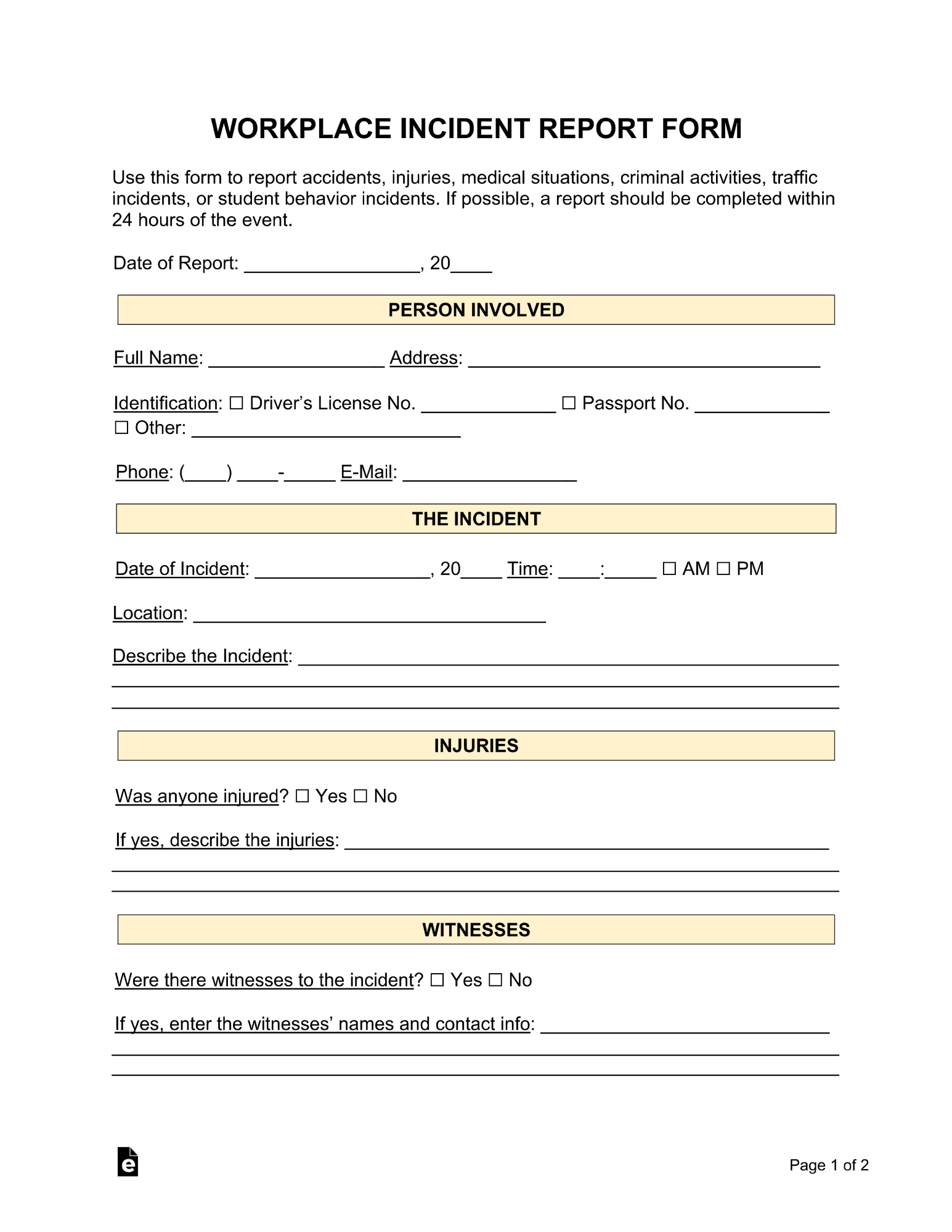
Workplace Incident Report Form

Full Conversation


Hi.

Lexi

Lexi, Chatbot

Hi. How can I help?

Question about retaliation claims from direct report.

Lexi

Lexi, Chatbot

I understand that dealing with retaliation claims can be quite stressful. Can you share more about the specific situation that led to the claim?

  1. Comment About "Campaign to Get the Controller Fired" (October to November 2025): The direct report told HR she felt I implied she ran a campaign to get the former controller fired. After the controller left, I made a general comment that it was good leadership and HR were supportive because it can be difficult in corporate environments to make decisions like that. The direct report interpreted that as me implying she pushed for his firing. She later brought this up in a one on one saying she did not appreciate the implication that she had campaigned to get him fired. I clarified that was not my intent and thanked her for raising it. We closed the loop and I believed the issue had been resolved. She later documented the incident to HR months afterward.
  2. Conversation About Promotion Interest (Early 2025): The direct report referenced a conversation from around April 2025 when I had only been in the role about a month. She interpreted something I said as questioning whether she wanted the promotion or whether she was ready for it. My understanding of the situation was that leadership had told me she was being considered for promotion. When I asked her about it to understand her interest, she told me directly that she was not sure she wanted the promotion anymore and said things like she did not know if she wanted it at that point. The conversation was exploratory as a new manager trying to understand her perspective.
  3. Camera Off During Performance Review: The direct report mentioned that during a performance related conversation my camera was off. This is a fully remote environment where cameras frequently go on and off. At the time I was dealing with a family loss and a heavy workload, and I apologized for having the camera off during that conversation.
  4. Offsite Interactions. First Offsite (September 2025): After I had given constructive mid year feedback earlier in the summer, I believed we had moved forward. During this offsite she became very quiet and distant. When I tried to make conversation she gave minimal responses and appeared stressed. Because I was unsure whether something personal was going on, I chose to give her space rather than force interaction. Second Offsite (January 2026): She reportedly told HR that we did not speak much for several days. Based on the earlier experience, I continued to give her space. Toward the end of the trip we did interact more. I bought drinks for her and a colleague and invited both of them to get drinks together after a meeting. The direct report initially said she would join but did not show up and later said she was spending time with her boyfriend.
  5. Retaliation Claim: The most serious claim she referenced was retaliation. When I asked HR for examples, they were unable to provide specific examples of retaliatory behavior. HR leadership also did not appear to agree that retaliation had occurred. The HR representative indicated that the mediation is primarily intended to reset the working relationship.
Lexi

Lexi, Chatbot

Have you already reported this issue to your HR department or any other authority?

Yes.

Angelo M

Angelo M

Greetings! I hope this message finds you well. I'm thrilled to have the opportunity to assist you with your situation and provide you with the support you need. Thank you for your patience, and I look forward to working with you.

Thank you, Angelo. This is my first time using Ask a Lawyer. Is the goal now for you to review what I shared above and then you share your thoughts?

Angelo M

Angelo M

Well to start, you are dealing with a situation that is very common in workplace disputes, where a direct report reframes ordinary managerial interactions as retaliation after the fact. From a legal standpoint, a retaliation claim under most U.S. employment laws, such as Title VII of the Civil Rights Act of 1964 (42 U.S.C. § 2000e-1-17) or similar state laws, requires three core elements:

  1. the employee engaged in a protected activity (such as complaining about discrimination, harassment, or other unlawful conduct),
  2. the employer took a materially adverse action against them, and
  3. there is a causal connection between the two. These elements come from Title VII's own anti-retaliation provision, (42 U.S.C. § 2000e-3(a)), and the "materially adverse action" standard was clarified by the Supreme Court in Burlington Northern & Santa Fe Railway Co. v. White, which held that an action only counts as retaliatory if it would dissuade a reasonable employee from making or supporting a complaint.

Based on what you've described, there appears to be a significant gap in at least the second and third elements. Looking at your specific points, none of the incidents you described clearly rise to the level of a "materially adverse action," which is required for a viable retaliation claim. General comments about leadership decisions, exploratory conversations about promotion interest, having your camera off during a meeting, or giving someone space at offsites are all within the realm of ordinary managerial conduct. Courts consistently hold that minor workplace slights, personality conflicts, or misinterpretations do not constitute retaliation. Importantly, HR's inability to identify specific retaliatory acts is a strong indicator that the claim may lack legal substance.

The promotion discussion is particularly important. You were acting in your role as a new manager trying to understand her interest, and she herself expressed hesitation about the promotion. That undermines any claim that you later retaliated against her regarding advancement. Similarly, your clarification after the "campaign" comment, and the fact that the issue was addressed and closed at the time, works in your favor. The delayed reporting months later can raise credibility concerns, especially if there is no intervening protected activity tied to retaliation.

From a risk-management perspective, your best course is to continue cooperating with HR, remain professional, and avoid any conduct that could be construed as differential treatment going forward. Document everything factually and neutrally, especially your intent, her responses, and HR's feedback (including that they could not substantiate retaliation). Do not attempt to argue or "win" the dispute with the employee directly; instead, focus on consistency, transparency, and alignment with HR guidance. The fact that HR has framed this as a mediation to "reset the relationship" rather than a disciplinary or investigatory finding is a positive sign for you.

In short, based on what you've shared, this appears more like a workplace perception or conflict issue rather than a legally viable retaliation claim, particularly absent evidence of protected activity and a tangible adverse action. That said, these situations can escalate if not handled carefully, so maintaining professionalism and documentation is key to protecting yourself and your organization. Let me know if you have any other questions!

Thank you so much, all very helpful. I am concerned because my company has fired a lot of people recently for performance issues, and I have another direct report, who HR has said has not filed a report with them about me. I have not had any issues with her, but I'm concerned about the impact the direct report who did file the claim will have on the one that did not, meaning I don't want two people filing reports on me.

Also, are there any specific phrases or types of statements I should avoid in the HR mediation that could unintentionally create legal risk or be misinterpreted? If the employee raises retaliation again during mediation, what is the safest and most appropriate way for me to respond from a legal standpoint? What should I be documenting right now before and after the mediation to best protect myself? From a legal risk perspective, is there anything I should change about how I manage or communicate with this employee after the mediation? If the employee requests a change in manager, how is that typically viewed from a legal and HR standpoint, and does that reflect negatively on me? Or if the employee escalates further after mediation, what are typical next steps to protect myself?

Angelo M

Angelo M

First, regarding your concern about the second direct report, your instinct is valid but you should not assume risk where none currently exists. The fact that HR has confirmed no complaint from the second employee is important. Legally, retaliation claims are individual and fact-specific, not contagious. However, what can spread is perception. The best way to prevent that is consistency: ensure both employees are treated the same in terms of communication, expectations, feedback, and opportunities. Avoid overcorrecting or becoming overly cautious with one employee, as inconsistent behavior can itself create risk. On phrases to avoid during mediation, this is critical. You want to stay away from anything that could be interpreted as:

  • Admissions of wrongdoing (e.g., "I shouldn't have said that," "That was my mistake")
  • Intent-based statements that can be reframed (e.g., "I was trying to push you," "I needed you to step up")
  • Minimizing language (e.g., "This is being blown out of proportion")
  • Defensive or absolute statements (e.g., "I did nothing wrong")

Instead, use neutral, legally safe phrasing such as:

  • "That was not my intent, but I understand how it may have been perceived."
  • "My goal has always been to support your role and performance."
  • "I'm open to improving communication going forward."

If retaliation is raised again, the safest response is not to argue the legal definition but to calmly anchor in facts and intent. For example: "I understand that concern has been raised. From my perspective, my actions have been based on business needs and consistent management practices, not in response to any protected activity. I'm committed to ensuring a fair and professional working environment moving forward." This avoids escalation while clearly denying improper motive. In terms of documentation, this is one of your strongest protections. Before mediation, make sure you have:

  • A timeline of events (objective, factual, no opinions)
  • Notes of prior conversations, including your clarifications
  • Any evidence showing consistency in how you manage others
  • HR communications, especially where they could not substantiate retaliation

After mediation, document:

  • What was discussed (factually, not emotionally)
  • Any agreed next steps
  • Any commitments made by either side
Angelo M

Angelo M

Keep everything professional and assume anything written could be reviewed later. From a management standpoint going forward, the key shift is structured neutrality. This means:

  • More deliberate, documented communication (especially around performance)
  • Avoiding informal or ambiguous comments that could be reinterpreted
  • Following company processes closely (no "off the cuff" decisions)
  • When possible, having HR looped in on sensitive actions

You do not need to become robotic, but you should become more intentional and consistent. If the employee requests a change in manager, this is very common and not automatically a negative reflection on you. Companies often grant these requests simply to reduce friction and risk. Legally, it is often viewed as a practical solution, not an admission of wrongdoing. If it happens, it can actually reduce your exposure because it removes the ongoing interaction that could generate further claims.

If the employee escalates after mediation, typical next steps include a more formal HR investigation. At that point, your protection comes down to what you've already started doing: documentation, consistency, and professionalism. Do not engage directly in disputes; let HR handle it. If anything begins to feel formal or adversarial, that is when you may consider consulting an employment attorney individually for personal protection.

Overall, you are in a relatively strong position based on what you've shared. This appears to be a perception and communication issue rather than legal misconduct, and your awareness and proactive approach are exactly what mitigate risk in these situations.

Thank you so much for your response again!

Just wanted to update you. I had my regular monthly conversation with HR and had a chance to ask him more questions. He mentioned the mediation meeting would no longer be happening and that he wanted to space out the meeting from the timing of the complaint and the mediation, so the plan is for this to happen end of month or early next month. My gut is telling me something is off, and for some reason, they've turned this into an investigation. The HR rep was very knowledgeable and cordial, and even confirmed my other direct report was nothing but positive about me, but in a follow-up message to me used the word investigation: "Hi, as a tie into our conversation, please refrain from speaking too much regarding the investigation as it is continuing, primarily as it relates to the move forward plan, as they are not solidified and have the potential to change." He also confirmed that the direct report has asked for a change to her reporting manager, but this was after some questions on my part. I think he spoke to a more senior HR person after my initial conversation, and it seems, even though the facts are still the same based on what he told me from my first conversation with him on this, my instincts are telling me they're choosing to take a more thorough investigative route, which to me feels more serious. At this point I'm less inclined to believe the situation is going to get better or work out via just an investigation, and honestly I'm very stressed. Unfortunately, my current company is very prone to simply letting go of folks, so things could get worse quickly. One reprieve is that HR did confirm, although just verbally, that he's not seeing any signs or indications of retaliation, but at this point I do take HR and anything they say with a grain of salt.

What would you recommend I do to prepare for whatever could be coming my way going forward? Basing my last question off of the updates I provided above. Adding also here that the employee in question is of a protected age and gender (over 45 and female) so I am assuming this too will play a big role in how this is handled. Adding she's over a protected age, gender and race too.

Angelo M

Angelo M

Your instincts are not unreasonable here. When HR begins using the word "investigation," delays mediation, and references a "move forward plan," that typically means the matter has been elevated internally, even if only as a precaution. That does not automatically mean you have done anything wrong or that discipline is coming, but it does mean you should now treat this as a formal process where everything you say and do matters.

The most important thing to understand is that HR's role is to protect the company, not either individual employee. The fact that they verbally told you they do not see retaliation is helpful, but not something you should rely on. Their position can evolve as they gather information, especially where the employee is within multiple protected classes (age, gender, race). That increases the company's sensitivity and likelihood of conducting a thorough review, but it does not change the legal standard: they still need evidence of protected activity, adverse action, and causation.

Angelo M

Angelo M

At this stage, your focus should shift from resolving the relationship to protecting yourself within a formal record.

First, you should begin building a clean, defensible record immediately. Create a private, organized timeline that includes every interaction you described, dates, what was said, your intent, and how the issue was resolved at the time. Include the fact that concerns were addressed contemporaneously and not escalated until later. Also document HR's statements to you (especially that they could not identify retaliation and that your other direct report had positive feedback). Keep this factual: no opinions, no emotional language. This document is for your protection if the situation escalates.

Second, preserve and gather supporting evidence. This includes emails, Slack/Teams messages, performance notes, prior reviews, and anything showing consistent treatment across team members. If you have examples of how you handled similar situations with other employees, those are particularly valuable because they demonstrate lack of discriminatory or retaliatory intent. Do not access anything improperly; only retain what you already have legitimate access to.

Third, going forward, you need to operate in what I call a "structured and observable" management style. Every interaction with this employee should be professional, neutral, and ideally documented. Avoid one-off verbal conversations on sensitive topics; follow up with a short written recap when appropriate. Keep feedback tied strictly to objective business needs. Do not deviate from standard processes for performance, assignments, or communication. Consistency is your shield.

Fourth, limit informal communication about the situation. The HR message you received was very intentional: do not discuss the matter with colleagues, and be cautious even in how you frame things with HR. Never speculate, never assume motives, and never characterize the employee negatively. Stick to facts if asked. Anything said informally can become part of the investigative record.

Fifth, prepare yourself for possible outcomes so you are not reacting emotionally if something happens. Realistically, outcomes could range from: no finding and a reset, a manager change (very common and not a negative mark legally), coaching or documentation for you (even without wrongdoing), or in more risk-averse companies, a separation decision. I am not saying that will happen, but you are correct that some companies act conservatively when protected classes are involved.

Because of that, you should also quietly begin thinking about your own contingency planning. That does not mean you are in immediate danger, but it is prudent. Ensure your resume is updated, and be mentally prepared. At the same time, do not signal concern internally; remain steady and professional.

Angelo M

Angelo M

Regarding the employee's protected status, you are right that it increases the company's caution, but it does not create liability by itself. The key legal question will still be whether there is evidence of discrimination or retaliation tied to that status. Your documentation and consistency are what counter that risk.

Finally, and this is important: if at any point you are asked to provide a formal written statement, attend an investigatory interview, or you sense the tone shifting toward potential discipline, that is the point where you should strongly consider consulting an employment attorney individually to advise you in real time. Early guidance in that moment can make a significant difference.

Right now, you are not in a weak position, but you are entering a phase where precision matters. Stay calm, stay consistent, document everything, and let HR carry the process.

Thank you so much Angelo, this is super super helpful information to have on hand. I appreciate it.

Angelo M

Angelo M

You're very welcome!!

Angelo M

Angelo M

16,167 satisfied customers

Angelo M
Welcome! Have a similar question?

12 lawyers online now

0:00

By messaging AskALawyer, you agree to our Terms and Privacy Policy.

Disclaimer


By messaging AskaLawyer.com, you agree to our Terms and have read our Privacy Policy.

The information provided on AskaLawyer.com is for general informational purposes only and does not constitute legal advice. While we strive to ensure the accuracy and timeliness of the information presented, we make no guarantees regarding its completeness or applicability to your specific circumstances.

Use of this website does not create an attorney-client relationship between you and AskaLawyer.com or any of its attorneys. Communications through this website, including any responses from attorneys, are not privileged or confidential. For advice tailored to your individual situation, we recommend consulting a licensed attorney in your jurisdiction.

AskaLawyer.com disclaims any liability for actions taken or not taken based on the content of this site. We are not responsible for any third-party content that may be accessed through this website. Reliance on any information provided herein is solely at your own risk.

Ask a Lawyer Logo
Ask a Lawyer Logo
Intake Questions
Step  of 3
Loading...

What's your legal question?

Lexi, Chatbot

How would you like your legal question to be answered?

Online

Loading...

How do you like to pay?

By proceeding with payment, you agree to our Terms and Privacy Policy. You authorize us to charge $ today and $ thereafter until canceled. You may cancel anytime in the My Account section to stop future charges.

Total Due:

After purchasing, your chat will begin with an attorney.

By proceeding with payment, you agree to our Terms and Privacy Policy. You authorize us to charge $ today and $ thereafter until canceled. You may cancel anytime in the My Account section to stop future charges.

Total Due:

After purchasing, your chat will begin with an attorney.

After connecting, your chat will begin with an attorney. After choosing, your chat will continue with Legal AI.

It looks like you already have an account with Ask a Lawyer.

We have sent you a magic link to . Click the link in your email to sign in and continue your chat.

spin

Step of 6 •

You'll receive an email at as soon as the lawyer joins the conversation 🙏🏻😊

Over 90% of lawyers connect within 5 minutes. If you're not online at that moment, don't worry — the lawyer will reply to your message while you're away.

You're also welcome to stay in the chat while waiting to be connected 💬✨

Waiting for lawyer

We couldn't send your message. Please try again.

Your lawyer will reply as soon as possible

If there’s a delay, please don’t worry. Your chat will stay open, and they’ll get back to you as soon as they can. There’s no rush on your end either. You’ll receive an email notification as soon as there’s a new message.

You've reached your AI chat limit

Upgrade your plan to continue chatting and get instant domain-specific answers.

0:00