[MI] Can a lease require tenants to cover the first $150 of repair costs?

Dan
Dan

30,565 satisfied customers

View context
Solved

Thank you for explaining your situation so clearly. It sounds like you've been thoughtful in setting fair expectations for your tenants and transparent in how you plan to handle maintenance costs. I understand your main concern is whether this $150 repair responsibility clause is legal under Michigan law, especially since you're introducing it in a new written lease for existing tenants. Michigan's landlord-tenant law, specifically under the Truth in Renting Act, (MCL 554.631–554.641), allows landlords and tenants to allocate maintenance duties by agreement, as long as the lease does not attempt to waive or shift the landlord's statutory duty to maintain the property in habitable condition. This duty is separately codified under (MI Comp L § 554.139), which requires a lessor of residential property to keep the premises fit for the use intended by the parties and to keep common areas and structural components in reasonable repair. I'll walk you through how your clause fits within that framework and what adjustments or steps you might consider:

  1. One option is to keep the clause largely as written, with a few refinements for clarity. The core concept, that tenants cover the first $150 of minor maintenance, is generally permissible if the property remains safe, habitable, and all major systems (heat, water, plumbing, electrical, structure) are still maintained by you. You can strengthen the clause by adding a short confirmation line such as "Notwithstanding this section, the Landlord remains responsible for ensuring the premises meet all health, safety, and habitability standards required by law." This language helps prevent any misunderstanding and makes it clear that the clause is not intended to shift your legal duties.
  2. A second option would be to apply the $150 cost-sharing rule only to certain categories of repairs. For example, you could specify "non-essential fixtures and appliances" or issues arising from ordinary use that tenants can reasonably control, like light fixtures, garbage disposals, or minor clogs. Narrowing its scope like this can help avoid disputes about whether a repair counts as "major" or "habitability-related." It also demonstrates reasonableness to both your tenant and their attorney, who will likely look for any sign that the clause might overreach.
  3. A third path is to treat this clause as an optional lease addendum rather than a built-in condition, and invite the tenant's attorney to review it with that framing. When tenants feel they've had input, especially during a new lease transition, they're more likely to accept cost-sharing terms without conflict. You might clarify that the policy aims to encourage prompt reporting and responsible use, not to shift legal burden. Including a written acknowledgment that they have reviewed and understand the clause, as you've already drafted, is a great step in preventing misunderstandings later on.

Based on everything you've shared, I would recommend starting with the first option, keeping your current clause but adding a line confirming that you remain responsible for maintaining the property's habitability under Michigan law. It keeps your goal intact while ensuring the lease fully complies with state requirements. Please let me know if these options make sense to you. I am happy to explain anything further. It's important to me that you fully understand your choices.

0

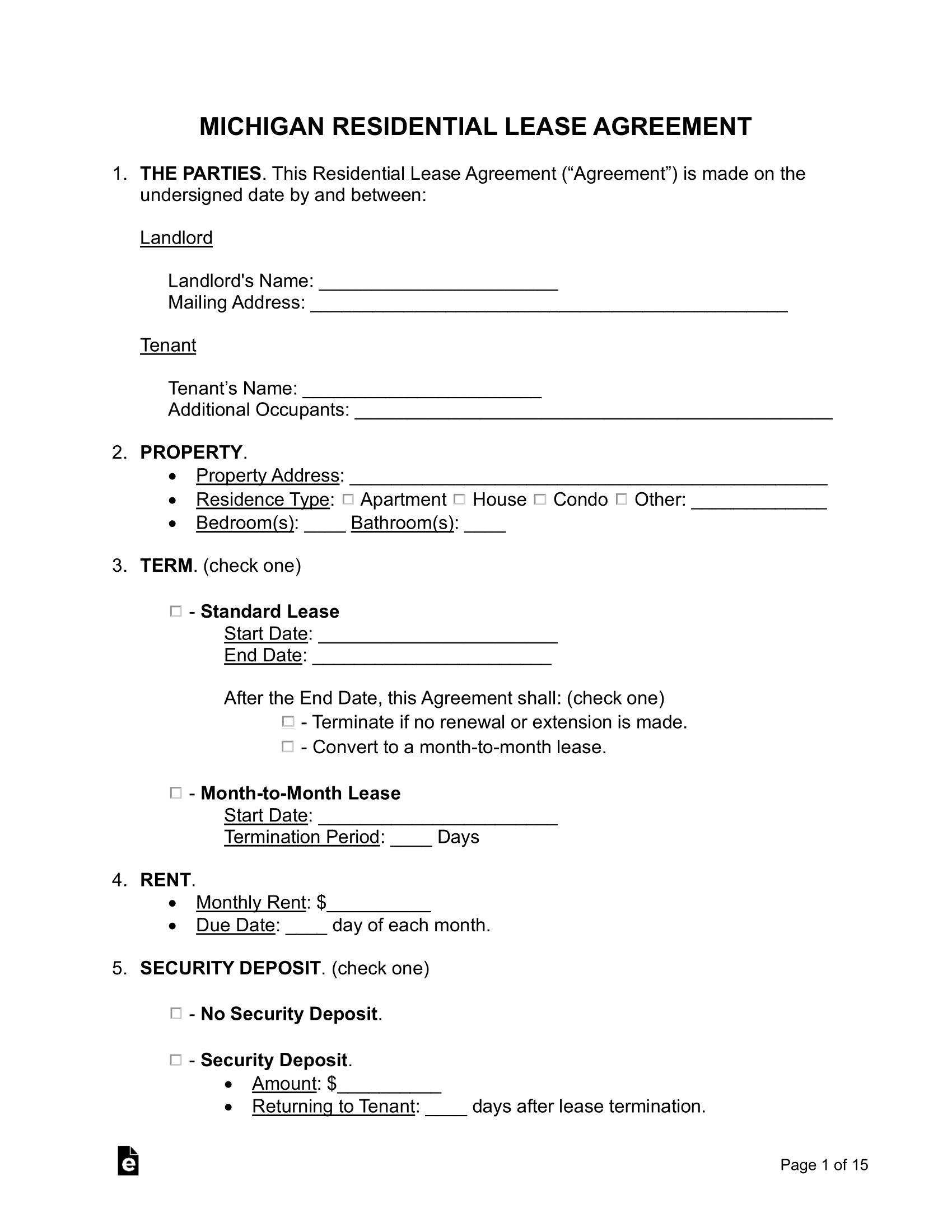
Michigan Standard Residential Lease Agreement
Full Conversation


Please confirm the legality of this clause for a residential lease in the State of Michigan.

"6. REPAIR AND MAINTENANCE COST RESPONSIBILITY
Tenant shall be responsible for the first One Hundred Fifty Dollars ($150.00) of cost for any individual repair or maintenance issue, including but not limited to:

  • Fixtures
  • Appliances
  • Plumbing systems
  • Electrical systems
    Any cost exceeding $150.00 for a single issue shall be the responsibility of Landlord, provided the issue was not caused by Tenant's negligence, misuse, abuse, or willful misconduct. If damage is caused by Tenant, Tenant shall be responsible for the full cost of repair, regardless of amount."
Lexi

Lexi, Chatbot

I understand that you're concerned about the legality of a specific lease clause. Can you tell me if you are currently a tenant or a landlord in this situation?

Landlord.

Lexi

Lexi, Chatbot

Have you already discussed this clause with your landlord or tenant, and what was their response?

Yes, they inquired about it. We provided the following explanation...

How the $150 Repair Responsibility Works: For most minor maintenance or repair issues, the Tenant is responsible for the first $150 of cost for a single issue. This helps encourage prompt reporting of issues and responsible use of the home. Examples of minor issues may include:

  • Clogged sinks or toilets caused by everyday use
  • Loose fixtures or handles
  • Appliance issues caused by misuse or blockage
  • Tripped breakers due to overload

If a repair costs more than $150, the Landlord pays the amount over $150, unless the damage was caused by Tenant misuse or negligence.

What the Tenant Is Not Responsible For: The Tenant is never responsible for paying for repairs related to:

  • Heat, hot water, or electricity failures
  • Major plumbing or electrical system problems
  • Structural issues
  • Repairs caused by normal wear and tear
  • Conditions that make the home unsafe or uninhabitable

These remain the Landlord's responsibility under Michigan law, regardless of cost.

Tenant-Caused Damage

If damage is caused by misuse, negligence, or improper behavior (for example: flushing wipes, causing water damage, or damaging appliances), the Tenant may be responsible for the full cost of repair, even if it exceeds $150.

One Issue = One Charge

The $150 responsibility applies per repair issue, not per visit or invoice. Multiple service calls for the same underlying problem are treated as one issue.

Why This System Is Used: This approach allows faster response to maintenance issues, lower overall rent compared to properties where all costs are built into rent, and clear expectations for both parties. The Landlord remains responsible for maintaining the home in a safe and livable condition at all times.

Communication Is Key. Tenants are encouraged to report maintenance issues promptly, avoid attempting repairs without permission, and ask questions if unsure whether an issue may apply. The Landlord's goal is fair treatment, not surprise charges.

Acknowledgment - By signing below, Tenant acknowledges that this addendum has been explained, understands how repair responsibilities work, and agrees this addendum is part of the Lease Agreement.

Tenant Initials: _________ Date: ___________

Dan

Dan

Hello, my name is Daniel, and I've been a licensed attorney for over 22 years. I'm sorry you're dealing with this situation, and I'll do everything I can to help.

I understand you're concerned about the legality of a lease clause regarding repair and maintenance cost responsibility in Michigan. Could you share more details about any communications you've had with your tenant regarding this issue?

For context, we just purchased a duplex that had existing tenants. There is no lease agreement in place and we're implementing one. This is a clause that we'd like to include but was not something that they have heard of, so just want to get ahead of any issues. We verbally explained it to them and provided the above explanation in an email.

Dan

Dan

Thanks for sharing that context. Have the tenants raised any specific concerns or objections about this clause after you explained it to them?

No, but they asked to have their attorney review the lease agreement?

Dan

Dan

Thank you for clarifying that. That's very helpful and gives me a much better understanding. I'm putting together your answer and I expect to have it to you very shortly.

Dan

Dan

Thank you for explaining your situation so clearly. It sounds like you've been thoughtful in setting fair expectations for your tenants and transparent in how you plan to handle maintenance costs. I understand your main concern is whether this $150 repair responsibility clause is legal under Michigan law, especially since you're introducing it in a new written lease for existing tenants. Michigan's landlord-tenant law, specifically under the Truth in Renting Act, (MCL 554.631–554.641), allows landlords and tenants to allocate maintenance duties by agreement, as long as the lease does not attempt to waive or shift the landlord's statutory duty to maintain the property in habitable condition. This duty is separately codified under (MI Comp L § 554.139), which requires a lessor of residential property to keep the premises fit for the use intended by the parties and to keep common areas and structural components in reasonable repair. I'll walk you through how your clause fits within that framework and what adjustments or steps you might consider:

  1. One option is to keep the clause largely as written, with a few refinements for clarity. The core concept, that tenants cover the first $150 of minor maintenance, is generally permissible if the property remains safe, habitable, and all major systems (heat, water, plumbing, electrical, structure) are still maintained by you. You can strengthen the clause by adding a short confirmation line such as "Notwithstanding this section, the Landlord remains responsible for ensuring the premises meet all health, safety, and habitability standards required by law." This language helps prevent any misunderstanding and makes it clear that the clause is not intended to shift your legal duties.
  2. A second option would be to apply the $150 cost-sharing rule only to certain categories of repairs. For example, you could specify "non-essential fixtures and appliances" or issues arising from ordinary use that tenants can reasonably control, like light fixtures, garbage disposals, or minor clogs. Narrowing its scope like this can help avoid disputes about whether a repair counts as "major" or "habitability-related." It also demonstrates reasonableness to both your tenant and their attorney, who will likely look for any sign that the clause might overreach.
  3. A third path is to treat this clause as an optional lease addendum rather than a built-in condition, and invite the tenant's attorney to review it with that framing. When tenants feel they've had input, especially during a new lease transition, they're more likely to accept cost-sharing terms without conflict. You might clarify that the policy aims to encourage prompt reporting and responsible use, not to shift legal burden. Including a written acknowledgment that they have reviewed and understand the clause, as you've already drafted, is a great step in preventing misunderstandings later on.

Based on everything you've shared, I would recommend starting with the first option, keeping your current clause but adding a line confirming that you remain responsible for maintaining the property's habitability under Michigan law. It keeps your goal intact while ensuring the lease fully complies with state requirements. Please let me know if these options make sense to you. I am happy to explain anything further. It's important to me that you fully understand your choices.

Please provide your recommended language to the clause for the first option.

Dan

Dan

"Tenant shall be responsible for the first One Hundred Fifty Dollars ($150.00) of cost for any individual repair or maintenance issue, including but not limited to:

Fixtures, Appliances, Plumbing systems, Electrical systems

Any cost exceeding $150.00 for a single issue shall be the responsibility of Landlord, provided the issue was not caused by Tenant's negligence, misuse, abuse, or willful misconduct. If damage is caused by Tenant, Tenant shall be responsible for the full cost of repair, regardless of amount.

Notwithstanding the foregoing, nothing in this section shall be construed to waive, limit, or modify Landlord's legal duty under Michigan law to maintain the premises in a safe, sanitary, and habitable condition, or to comply with all applicable health, safety, and housing codes. Landlord shall remain responsible for repairs necessary to ensure that the premises meet required habitability standards, including but not limited to heat, hot water, electricity, major plumbing or structural systems, and any condition affecting the tenant's health or safety."

Great, thank you!

Do you recommend that I include this addendum for added clarity and practical guidance?

ADDENDUM: REPAIR & MAINTENANCE COST SHARING – TENANT EXPLANATION

Purpose of This Addendum

This addendum is provided to clearly explain how repair and maintenance costs are handled, so there are no surprises. The goal is to keep rent reasonable, respond quickly to issues, and fairly share responsibility for minor repairs while the Landlord remains responsible for major systems and habitability.

How the $150 Repair Responsibility Works

For most minor maintenance or repair issues, the Tenant is responsible for the first $150 of cost for a single issue. This helps encourage prompt reporting of issues and responsible use of the home.

Examples of minor issues may include:

  • Clogged sinks or toilets caused by everyday use
  • Loose fixtures or handles
  • Appliance issues caused by misuse or blockage
  • Tripped breakers due to overload

If a repair costs more than $150, the Landlord pays the amount over $150, unless the damage was caused by Tenant misuse or negligence.

What the Tenant Is Not Responsible For

The Tenant is never responsible for paying for repairs related to:

  • Heat, hot water, or electricity failures
  • Major plumbing or electrical system problems
  • Structural issues
  • Repairs caused by normal wear and tear
  • Conditions that make the home unsafe or uninhabitable

These remain the Landlord's responsibility under Michigan law, regardless of cost.

Tenant-Caused Damage

If damage is caused by misuse, negligence, or improper behavior (for example: flushing wipes, causing water damage, or damaging appliances), the Tenant may be responsible for the full cost of repair, even if it exceeds $150.

One Issue = One Charge

The $150 responsibility applies per repair issue, not per visit or invoice. Multiple service calls for the same underlying problem are treated as one issue.

Why This System Is Used

This approach allows faster response to maintenance issues, lower overall rent compared to properties where all costs are built into rent, and clear expectations for both parties. The Landlord remains responsible for maintaining the home in a safe and livable condition at all times.

Communication Is Key

Tenants are encouraged to report maintenance issues promptly, avoid attempting repairs without permission, and ask questions if unsure whether an issue may apply. The Landlord's goal is fair treatment, not surprise charges.

Acknowledgment

By signing below, Tenant acknowledges that this addendum has been explained, understands how repair responsibilities work, and agrees this addendum is part of the Lease Agreement.

Tenant Initials: _________ Date: ___________

Dan

Dan

I think you did a nice job with it, and while it's not needed, having prepared it, no harm in including it as it provides clarity in application. I just want to make sure everything is clear and that you're comfortable with the information I've provided. Is there anything you'd like me to clarify or any other questions you'd like to ask? If everything makes sense, you can simply reply 'all clear.' Thank you, and please don't hesitate to let me know if you need anything else.

All clear.

Dan

Dan

Perfect, thank you!

Dan

Dan

30,565 satisfied customers

Dan
Welcome! Have a similar question?

12 lawyers online now

0:00

By messaging AskALawyer, you agree to our Terms and Privacy Policy.

Disclaimer


By messaging AskaLawyer.com, you agree to our Terms and have read our Privacy Policy.

The information provided on AskaLawyer.com is for general informational purposes only and does not constitute legal advice. While we strive to ensure the accuracy and timeliness of the information presented, we make no guarantees regarding its completeness or applicability to your specific circumstances.

Use of this website does not create an attorney-client relationship between you and AskaLawyer.com or any of its attorneys. Communications through this website, including any responses from attorneys, are not privileged or confidential. For advice tailored to your individual situation, we recommend consulting a licensed attorney in your jurisdiction.

AskaLawyer.com disclaims any liability for actions taken or not taken based on the content of this site. We are not responsible for any third-party content that may be accessed through this website. Reliance on any information provided herein is solely at your own risk.

Ask a Lawyer Logo
Ask a Lawyer Logo
Intake Questions
Step  of 3
Loading...

What's your legal question?

Lexi, Chatbot

How would you like your legal question to be answered?

Online

Loading...

How do you like to pay?

By proceeding with payment, you agree to our Terms and Privacy Policy. You authorize us to charge $ today and $ thereafter until canceled. You may cancel anytime in the My Account section to stop future charges.

Total Due:

After purchasing, your chat will begin with an attorney.

By proceeding with payment, you agree to our Terms and Privacy Policy. You authorize us to charge $ today and $ thereafter until canceled. You may cancel anytime in the My Account section to stop future charges.

Total Due:

After purchasing, your chat will begin with an attorney.

After connecting, your chat will begin with an attorney. After choosing, your chat will continue with Legal AI.

It looks like you already have an account with Ask a Lawyer.

We have sent you a magic link to . Click the link in your email to sign in and continue your chat.

spin

Step of 6 •

You'll receive an email at as soon as the lawyer joins the conversation 🙏🏻😊

Over 90% of lawyers connect within 5 minutes. If you're not online at that moment, don't worry — the lawyer will reply to your message while you're away.

You're also welcome to stay in the chat while waiting to be connected 💬✨

Waiting for lawyer

We couldn't send your message. Please try again.

Your lawyer will reply as soon as possible

If there’s a delay, please don’t worry. Your chat will stay open, and they’ll get back to you as soon as they can. There’s no rush on your end either. You’ll receive an email notification as soon as there’s a new message.

You've reached your AI chat limit

Upgrade your plan to continue chatting and get instant domain-specific answers.

0:00