[KY] How can a landlord get a tenant to pay for HVAC damage and ceiling damage?

Brandon
Brandon

17,789 satisfied customers

View context
Solved

Kentucky law draws a clear line between normal wear and tear and tenant caused damage. Normal aging of an older home is your responsibility. Damage caused by misuse, neglect, or refusal to follow basic maintenance instructions can legally be shifted to the tenant if your lease supports it and you can prove causation. From what you described, you potentially have three separate categories of tenant responsibility:

HVAC system damage. If a licensed HVAC professional has stated that the failure was caused by dirty filters and overheating, and your lease places responsibility on the tenant for filter changes or negligent damage, this is not normal wear and tear. Repeated failure after being warned strengthens your position.

Bathroom ceiling moisture damage. Long, unvented showers with no fan, window, or door ventilation can cross from ordinary use into misuse, especially if you provided a dehumidifier and instructions. The fact that you took reasonable steps to prevent damage is important.

Living room ceiling and paint damage from humidity. Refusing to use AC during extreme heat and allowing moisture to build up can support a claim of neglect, but this one can be harder to prove unless a professional links the damage directly to humidity and tenant behavior.

What to do before demanding payment. Your strongest move right now is documentation and formal notice, not an immediate demand for money.

I strongly recommend you take these steps in order:

Gather and organize proof: HVAC invoices and written opinions stating cause of damage, photos of filters, ceiling damage, peeling paint, and moisture, copies of written communications where you instructed her to change filters or ventilate, and a copy of the lease clause on negligence and damage.

Send a written notice to cure. In Kentucky, you can issue a written notice describing lease violations and giving the tenant a reasonable opportunity to stop the behavior. This should be calm, factual, and specific. It should state what the lease requires, what damage has occurred, what behavior must stop immediately, and that continued damage may result in charges, lease termination, or both. This notice is not a threat. It is a legal paper trail.

Require future compliance in writing. For example: filters must be changed on a set schedule, bathroom ventilation steps must be followed, and AC must be used to maintain reasonable humidity. If she refuses or continues the behavior after this notice, that becomes strong evidence of willful damage.

Recovering money for repairs. There are three realistic paths to recovery, and they are not mutually exclusive.

Charge against the security deposit. If and when the tenancy ends, Kentucky law allows you to deduct for tenant caused damage beyond normal wear and tear, provided you give an itemized statement. (KY Rev Stat § 383.595)

Demand reimbursement during the tenancy. You can send a written demand for reimbursement supported by invoices and lease language. Some tenants will pay once they see the paper trail. Some will not. (KY Rev Stat § 383.605)

Small claims court. If she refuses to pay and the damages are well documented, Jefferson District Court small claims is often the most practical option. Judges care deeply about proof and whether the landlord gave clear notice and opportunities to fix behavior.

A word about habitability and older homes. You are right to mention that the home is older. That does not excuse tenant misuse, but it does mean you must be careful not to frame this as a design defect. Focus on behavior, warnings given, and professional opinions linking that behavior to the damage.

When eviction becomes part of the conversation. If the damage continues despite notice, Kentucky law does allow termination for material lease violations. Eviction should be a last step, but repeated destruction of major systems can qualify as a serious violation if properly documented. (KY Rev Stat § 383.660)

0

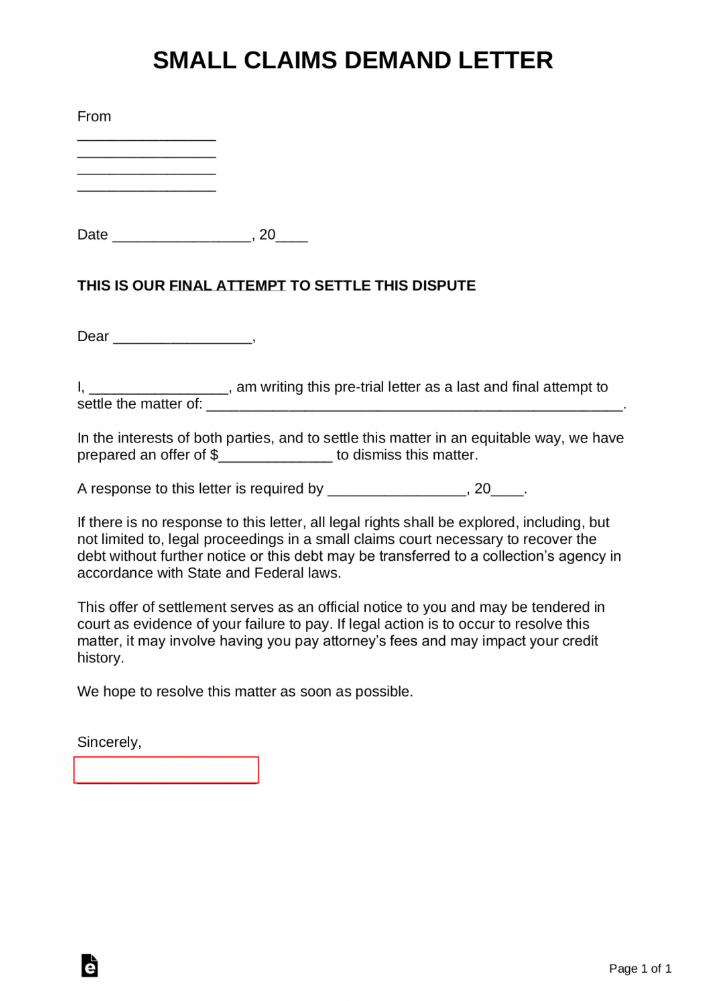
Small Claims Demand Letter

Full Conversation


A problem with a tenant damaging the rental property.

Brandon

Brandon

Hi there, and welcome. My name is Brandon, and I'm an attorney. I'll be happy to help you out today. Please note that this discussion is for guidance only and does not constitute an Attorney-Client Relationship. My answers and comments should not be considered legal advice. Please also note that I am human, that I often need to research your answer to give you an accurate response, and that I work with other customers and get up from time to time. So please be patient while waiting for a response. Please feel free to reach out if more than 30 minutes have passed.

Sorry about the issues you had yesterday. Can you tell me more about the issue?

We have a tenant that is damaging the home. There are 3 issues. She lied to us and said she was changing HVAC filters but she was not. It caused the heating coil to overheat and become damaged. We had to replace it. She continued to not change the filters and caused a crack to form in the unit. We had to replace the whole furnace. She is causing damage to the bathroom ceiling because she refuses to clean or vent the bathroom after showers. She also is causing damage to the living room ceiling because she refused to use the AC in the hottest part of the summer and is causing the paint to peel.

Brandon

Brandon

Where are you located?

We want to know how to go about getting her to refund or pay for repairs. We have to repeatedly address these issues. It is an older home. We even gave her a dehumidifier for the bathroom, there is a window that she can open, and she leaves the bathroom door closed after showering. She has 2 children that she says take hour-long showers.

We are in Louisville, Kentucky.

We have a clause in the lease about negligence and willful damage being her responsibility.

Brandon

Brandon

Kentucky law draws a clear line between normal wear and tear and tenant caused damage. Normal aging of an older home is your responsibility. Damage caused by misuse, neglect, or refusal to follow basic maintenance instructions can legally be shifted to the tenant if your lease supports it and you can prove causation. From what you described, you potentially have three separate categories of tenant responsibility:

HVAC system damage. If a licensed HVAC professional has stated that the failure was caused by dirty filters and overheating, and your lease places responsibility on the tenant for filter changes or negligent damage, this is not normal wear and tear. Repeated failure after being warned strengthens your position.

Bathroom ceiling moisture damage. Long, unvented showers with no fan, window, or door ventilation can cross from ordinary use into misuse, especially if you provided a dehumidifier and instructions. The fact that you took reasonable steps to prevent damage is important.

Living room ceiling and paint damage from humidity. Refusing to use AC during extreme heat and allowing moisture to build up can support a claim of neglect, but this one can be harder to prove unless a professional links the damage directly to humidity and tenant behavior.

What to do before demanding payment. Your strongest move right now is documentation and formal notice, not an immediate demand for money.

I strongly recommend you take these steps in order:

Gather and organize proof: HVAC invoices and written opinions stating cause of damage, photos of filters, ceiling damage, peeling paint, and moisture, copies of written communications where you instructed her to change filters or ventilate, and a copy of the lease clause on negligence and damage.

Send a written notice to cure. In Kentucky, you can issue a written notice describing lease violations and giving the tenant a reasonable opportunity to stop the behavior. This should be calm, factual, and specific. It should state what the lease requires, what damage has occurred, what behavior must stop immediately, and that continued damage may result in charges, lease termination, or both. This notice is not a threat. It is a legal paper trail.

Require future compliance in writing. For example: filters must be changed on a set schedule, bathroom ventilation steps must be followed, and AC must be used to maintain reasonable humidity. If she refuses or continues the behavior after this notice, that becomes strong evidence of willful damage.

Recovering money for repairs. There are three realistic paths to recovery, and they are not mutually exclusive.

Charge against the security deposit. If and when the tenancy ends, Kentucky law allows you to deduct for tenant caused damage beyond normal wear and tear, provided you give an itemized statement. (KY Rev Stat § 383.595)

Demand reimbursement during the tenancy. You can send a written demand for reimbursement supported by invoices and lease language. Some tenants will pay once they see the paper trail. Some will not. (KY Rev Stat § 383.605)

Small claims court. If she refuses to pay and the damages are well documented, Jefferson District Court small claims is often the most practical option. Judges care deeply about proof and whether the landlord gave clear notice and opportunities to fix behavior.

A word about habitability and older homes. You are right to mention that the home is older. That does not excuse tenant misuse, but it does mean you must be careful not to frame this as a design defect. Focus on behavior, warnings given, and professional opinions linking that behavior to the damage.

When eviction becomes part of the conversation. If the damage continues despite notice, Kentucky law does allow termination for material lease violations. Eviction should be a last step, but repeated destruction of major systems can qualify as a serious violation if properly documented. (KY Rev Stat § 383.660)

Ok. Thank you.

Brandon

Brandon

You are very welcome. I wish you the best.

Brandon

Brandon

17,789 satisfied customers

Brandon
Welcome! Have a similar question?

12 lawyers online now

0:00

By messaging AskALawyer, you agree to our Terms and Privacy Policy.

Disclaimer


By messaging AskaLawyer.com, you agree to our Terms and have read our Privacy Policy.

The information provided on AskaLawyer.com is for general informational purposes only and does not constitute legal advice. While we strive to ensure the accuracy and timeliness of the information presented, we make no guarantees regarding its completeness or applicability to your specific circumstances.

Use of this website does not create an attorney-client relationship between you and AskaLawyer.com or any of its attorneys. Communications through this website, including any responses from attorneys, are not privileged or confidential. For advice tailored to your individual situation, we recommend consulting a licensed attorney in your jurisdiction.

AskaLawyer.com disclaims any liability for actions taken or not taken based on the content of this site. We are not responsible for any third-party content that may be accessed through this website. Reliance on any information provided herein is solely at your own risk.

Ask a Lawyer Logo
Ask a Lawyer Logo
Intake Questions
Step  of 3
Loading...

What's your legal question?

Lexi, Chatbot

How would you like your legal question to be answered?

Online

Loading...

How do you like to pay?

By proceeding with payment, you agree to our Terms and Privacy Policy. You authorize us to charge $ today and $ thereafter until canceled. You may cancel anytime in the My Account section to stop future charges.

Total Due:

After purchasing, your chat will begin with an attorney.

By proceeding with payment, you agree to our Terms and Privacy Policy. You authorize us to charge $ today and $ thereafter until canceled. You may cancel anytime in the My Account section to stop future charges.

Total Due:

After purchasing, your chat will begin with an attorney.

After connecting, your chat will begin with an attorney. After choosing, your chat will continue with Legal AI.

It looks like you already have an account with Ask a Lawyer.

We have sent you a magic link to . Click the link in your email to sign in and continue your chat.

spin

Step of 6 •

You'll receive an email at as soon as the lawyer joins the conversation 🙏🏻😊

Over 90% of lawyers connect within 5 minutes. If you're not online at that moment, don't worry — the lawyer will reply to your message while you're away.

You're also welcome to stay in the chat while waiting to be connected 💬✨

Waiting for lawyer

We couldn't send your message. Please try again.

Your lawyer will reply as soon as possible

If there’s a delay, please don’t worry. Your chat will stay open, and they’ll get back to you as soon as they can. There’s no rush on your end either. You’ll receive an email notification as soon as there’s a new message.

You've reached your AI chat limit

Upgrade your plan to continue chatting and get instant domain-specific answers.

0:00