Is it illegal for a manager to discuss employee complaints with other employees?

EsquireChamp
EsquireChamp

3,228 satisfied customers

View context
Solved

In most cases, it is not strictly illegal for a manager to discuss general employee complaints with other employees, though it is often considered poor management. While there are no universal federal laws that prohibit a manager from "gossiping" or being indiscreet about workplace complaints, there are significant legal exceptions and protections depending on the content of the complaint.

Legal Exceptions and Protections. Certain types of information are protected by law, and sharing them could lead to legal consequences for the restaurant:

  1. Medical or Genetic Information: Under the Americans with Disabilities Act (ADA) and laws enforced by the EEOC, managers are generally required to keep an employee's medical or genetic information private. Discussing these details with coworkers is typically illegal. (42 U.S.C. § 12112)
  2. Protected Concerted Activity: Under the National Labor Relations Act (NLRA), employees have a right to discuss "working conditions" (like pay or safety) with one another for mutual aid. If a manager's discussion is part of an effort to retaliate against an employee for these discussions or to prevent employees from banding together, it may violate federal law. (29 U.S.C. § 157)
  3. Defamation and Slander: If the manager spreads untrue information about an employee that damages their reputation or job standing, that employee may have a civil claim for defamation or slander.
  4. Retaliation: If a manager discusses a complaint specifically to humiliate an employee or encourage others to harass them because they complained about something like discrimination or safety, this could be viewed as illegal retaliation. This type of retaliation is also separately addressed under Title VII of the Civil Rights Act of 1964, which protects employees from retaliation for reporting workplace discrimination or harassment.

Considerations for Family Owned Restaurants:

  • Employee Equality: In the eyes of the law, family member employees and non-family employees are generally treated the same. A family owned business must still follow federal and state employment laws regarding privacy and harassment.
  • One important qualifier worth noting: many federal antidiscrimination protections, including Title VII and the ADA, only apply to employers that meet a minimum employee count, generally 15 or more employees. A very small family owned restaurant that falls below that threshold may not be covered by these particular federal laws, though state law protections and the NLRA's mutual aid protections can still apply regardless of size in many cases. (42 U.S.C. § 2000e(b))
  • Internal Policies: An employee should check the employee handbook if one exists. Many businesses have internal "confidentiality" or "professional conduct" policies. While breaking a company policy isn't always "illegal," it is a violation of the business's own rules.

If privacy has been severely violated, especially regarding medical information or safety complaints, it may be worth consulting an employment attorney or contacting the local NLRB or EEOC office.

0

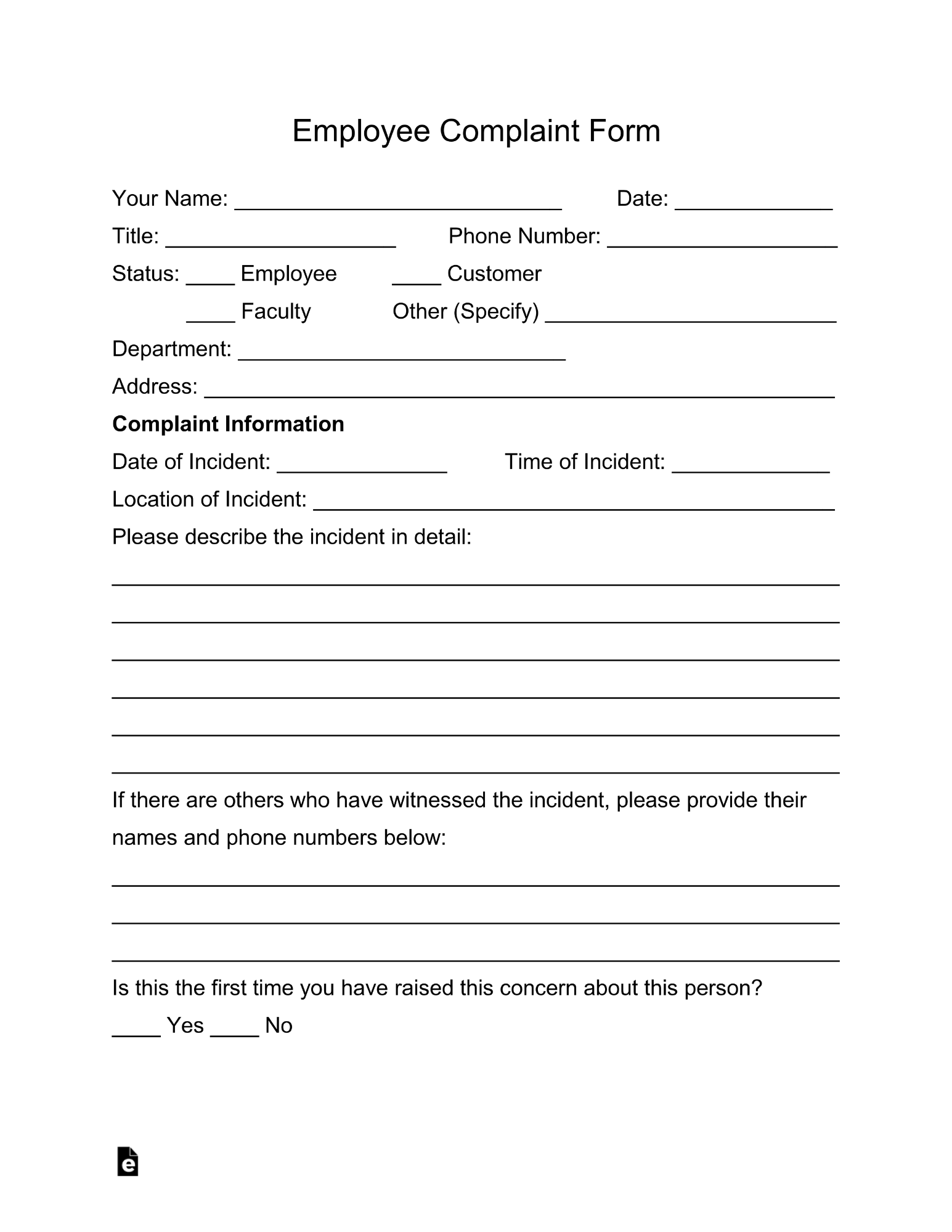
Employee Complaint Form

Full Conversation


Is it illegal for a manager to discuss employee complaints with other employees?

Lexi

Lexi, Chatbot

I understand that workplace confidentiality can be a concerning issue. Have you experienced a situation where your complaints were discussed with other employees?

Yes.

Lexi

Lexi, Chatbot

What type of workplace do you work in (e.g., corporate, retail, etc.)?

A family owned restaurant.

Lexi

Lexi, Chatbot

Is there anything else the Lawyer should know before I connect you? Rest assured they'll be able to help with your workplace confidentiality issue.

No.

EsquireChamp

EsquireChamp

Hey there! Welcome to our service. I'm an attorney with many years of experience. I understand you're dealing with a situation where your manager discussed your complaints with other employees at a family owned restaurant. Let's work through this together. Is that correct?

EsquireChamp

EsquireChamp

In most cases, it is not strictly illegal for a manager to discuss general employee complaints with other employees, though it is often considered poor management. While there are no universal federal laws that prohibit a manager from "gossiping" or being indiscreet about workplace complaints, there are significant legal exceptions and protections depending on the content of the complaint.

Legal Exceptions and Protections. Certain types of information are protected by law, and sharing them could lead to legal consequences for the restaurant:

  1. Medical or Genetic Information: Under the Americans with Disabilities Act (ADA) and laws enforced by the EEOC, managers are generally required to keep an employee's medical or genetic information private. Discussing these details with coworkers is typically illegal. (42 U.S.C. § 12112)
  2. Protected Concerted Activity: Under the National Labor Relations Act (NLRA), employees have a right to discuss "working conditions" (like pay or safety) with one another for mutual aid. If a manager's discussion is part of an effort to retaliate against an employee for these discussions or to prevent employees from banding together, it may violate federal law. (29 U.S.C. § 157)
  3. Defamation and Slander: If the manager spreads untrue information about an employee that damages their reputation or job standing, that employee may have a civil claim for defamation or slander.
  4. Retaliation: If a manager discusses a complaint specifically to humiliate an employee or encourage others to harass them because they complained about something like discrimination or safety, this could be viewed as illegal retaliation. This type of retaliation is also separately addressed under Title VII of the Civil Rights Act of 1964, which protects employees from retaliation for reporting workplace discrimination or harassment.

Considerations for Family Owned Restaurants:

  • Employee Equality: In the eyes of the law, family member employees and non-family employees are generally treated the same. A family owned business must still follow federal and state employment laws regarding privacy and harassment.
  • One important qualifier worth noting: many federal antidiscrimination protections, including Title VII and the ADA, only apply to employers that meet a minimum employee count, generally 15 or more employees. A very small family owned restaurant that falls below that threshold may not be covered by these particular federal laws, though state law protections and the NLRA's mutual aid protections can still apply regardless of size in many cases. (42 U.S.C. § 2000e(b))
  • Internal Policies: An employee should check the employee handbook if one exists. Many businesses have internal "confidentiality" or "professional conduct" policies. While breaking a company policy isn't always "illegal," it is a violation of the business's own rules.

If privacy has been severely violated, especially regarding medical information or safety complaints, it may be worth consulting an employment attorney or contacting the local NLRB or EEOC office.

EsquireChamp

EsquireChamp

3,228 satisfied customers

EsquireChamp
Welcome! Have a similar question?

12 lawyers online now

0:00

By messaging AskALawyer, you agree to our Terms and Privacy Policy.

Disclaimer


By messaging AskaLawyer.com, you agree to our Terms and have read our Privacy Policy.

The information provided on AskaLawyer.com is for general informational purposes only and does not constitute legal advice. While we strive to ensure the accuracy and timeliness of the information presented, we make no guarantees regarding its completeness or applicability to your specific circumstances.

Use of this website does not create an attorney-client relationship between you and AskaLawyer.com or any of its attorneys. Communications through this website, including any responses from attorneys, are not privileged or confidential. For advice tailored to your individual situation, we recommend consulting a licensed attorney in your jurisdiction.

AskaLawyer.com disclaims any liability for actions taken or not taken based on the content of this site. We are not responsible for any third-party content that may be accessed through this website. Reliance on any information provided herein is solely at your own risk.

Ask a Lawyer Logo
Ask a Lawyer Logo
Intake Questions
Step  of 3
Loading...

What's your legal question?

Lexi, Chatbot

How would you like your legal question to be answered?

Online

Loading...

How do you like to pay?

By proceeding with payment, you agree to our Terms and Privacy Policy. You authorize us to charge $ today and $ thereafter until canceled. You may cancel anytime in the My Account section to stop future charges.

Total Due:

After purchasing, your chat will begin with an attorney.

By proceeding with payment, you agree to our Terms and Privacy Policy. You authorize us to charge $ today and $ thereafter until canceled. You may cancel anytime in the My Account section to stop future charges.

Total Due:

After purchasing, your chat will begin with an attorney.

After connecting, your chat will begin with an attorney. After choosing, your chat will continue with Legal AI.

It looks like you already have an account with Ask a Lawyer.

We have sent you a magic link to . Click the link in your email to sign in and continue your chat.

spin

Step of 6 •

You'll receive an email at as soon as the lawyer joins the conversation 🙏🏻😊

Over 90% of lawyers connect within 5 minutes. If you're not online at that moment, don't worry — the lawyer will reply to your message while you're away.

You're also welcome to stay in the chat while waiting to be connected 💬✨

Waiting for lawyer

We couldn't send your message. Please try again.

Your lawyer will reply as soon as possible

If there’s a delay, please don’t worry. Your chat will stay open, and they’ll get back to you as soon as they can. There’s no rush on your end either. You’ll receive an email notification as soon as there’s a new message.

You've reached your AI chat limit

Upgrade your plan to continue chatting and get instant domain-specific answers.

0:00