What can you do if you believe you were fired due to discrimination or retaliation?

Dan
Dan

30,386 satisfied customers

View context
Solved

It sounds like you're dealing with a really tough situation at work, and I can understand how stressful that feels. Losing a job, or even facing the possibility of it, can shake your sense of security and fairness. From what you've shared, it seems you believe the termination may be connected to discrimination or retaliation. In the United States, federal laws such as Title VII of the Civil Rights Act of 1964 protect employees from being fired based on race, color, national origin, sex, or religion. (42 U.S.C. § 2000e-1-17) The law also prohibits an employer from retaliating against you for filing a complaint or standing up for your rights. These protections apply nationwide and are enforced by the Equal Employment Opportunity Commission, or EEOC. Let's look together at what practical steps you can take right now.

One of the first steps is to gather all the documentation connected to your employment and the events leading to your termination. This includes any emails, text messages, performance reviews, write ups, or notes about discriminatory remarks or conduct. The reason this matters is that a wrongful termination claim depends heavily on showing motive and context. Keeping a clear record of what happened, and when, can help show whether your employer's stated reason for firing you may have been a pretext for discrimination or retaliation. Start by organizing these records in a timeline so you can refer to them easily.

Another strong step is to file a complaint with the EEOC or your state's fair employment agency. Doing this starts an official investigation into whether discrimination or retaliation occurred. Generally, you must file within 180 days of the incident, though some states extend that window to 300 days. (42 U.S.C. § 2000e-5) Filing with the EEOC does not mean you are suing your employer; it is more like opening a review of your situation to see if the law appears to have been violated. You can start online or by phone, and they will guide you through the process step by step.

You might also consider consulting with a local employment attorney. A lawyer who practices in your state can review your documents, explain how state laws align with federal protections, and help you write a demand letter or pursue a claim if that becomes necessary. Many attorneys offer consultations at little or no cost, and some work on contingency if the case is strong. Even one consultation can clarify your rights and help you avoid mistakes when dealing with your employer or the EEOC.

Of all these options, I recommend beginning with gathering your documentation and contacting the EEOC. This gives you a formal record and preserves your ability to act later if needed. If you can, follow that step by meeting with an attorney who can help tailor your approach to your state's specific laws. It's also worth knowing that retaliation itself is separately protected, so if you experience further adverse treatment for raising these concerns, that too may be actionable. Please let me know if these options make sense to you. I am happy to explain anything further. It's important to me that you fully understand your choices.

0

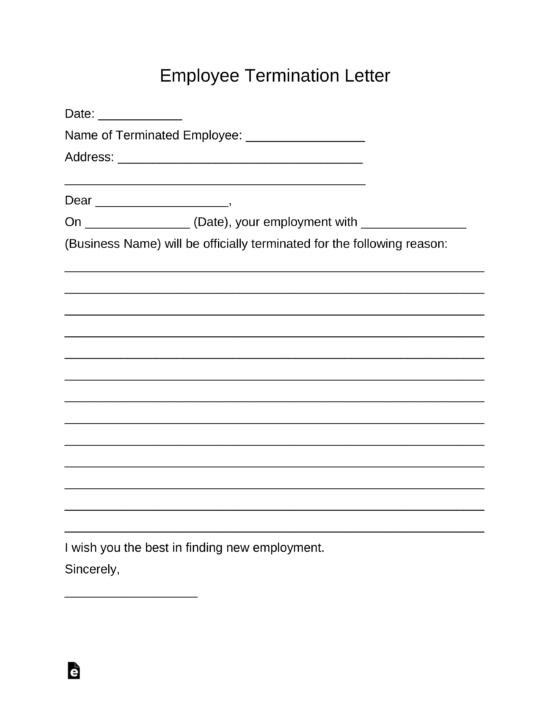
Employee Termination Letter

Full Conversation


If I get fired from my job, do I have a legal case for wrongful termination?

Lexi

Lexi, Chatbot

I'm sorry to hear that you're concerned about the possibility of wrongful termination; it can be a very stressful situation. Can you tell me if you have any documentation or evidence related to your employment and the circumstances surrounding your potential termination?

Yes.

Lexi

Lexi, Chatbot

Have you experienced any specific incidents at work that you believe may have led to this situation, such as discrimination or retaliation?

Yes.

Lexi

Lexi, Chatbot

Is there anything else the Employment Lawyer should know before I connect you? Rest assured they'll be able to help with your wrongful termination.

No.

Dan

Dan

Hello, and welcome to our service. My name is Daniel, and I've been a licensed attorney for over 22 years. I'm sorry you're dealing with this situation, and I'll do everything I can to help. It sounds like you're concerned about a potential wrongful termination due to discrimination or retaliation at your workplace. Is that right?

Dan

Dan

It sounds like you're dealing with a really tough situation at work, and I can understand how stressful that feels. Losing a job, or even facing the possibility of it, can shake your sense of security and fairness. From what you've shared, it seems you believe the termination may be connected to discrimination or retaliation. In the United States, federal laws such as Title VII of the Civil Rights Act of 1964 protect employees from being fired based on race, color, national origin, sex, or religion. (42 U.S.C. § 2000e-1-17) The law also prohibits an employer from retaliating against you for filing a complaint or standing up for your rights. These protections apply nationwide and are enforced by the Equal Employment Opportunity Commission, or EEOC. Let's look together at what practical steps you can take right now.

One of the first steps is to gather all the documentation connected to your employment and the events leading to your termination. This includes any emails, text messages, performance reviews, write ups, or notes about discriminatory remarks or conduct. The reason this matters is that a wrongful termination claim depends heavily on showing motive and context. Keeping a clear record of what happened, and when, can help show whether your employer's stated reason for firing you may have been a pretext for discrimination or retaliation. Start by organizing these records in a timeline so you can refer to them easily.

Another strong step is to file a complaint with the EEOC or your state's fair employment agency. Doing this starts an official investigation into whether discrimination or retaliation occurred. Generally, you must file within 180 days of the incident, though some states extend that window to 300 days. (42 U.S.C. § 2000e-5) Filing with the EEOC does not mean you are suing your employer; it is more like opening a review of your situation to see if the law appears to have been violated. You can start online or by phone, and they will guide you through the process step by step.

You might also consider consulting with a local employment attorney. A lawyer who practices in your state can review your documents, explain how state laws align with federal protections, and help you write a demand letter or pursue a claim if that becomes necessary. Many attorneys offer consultations at little or no cost, and some work on contingency if the case is strong. Even one consultation can clarify your rights and help you avoid mistakes when dealing with your employer or the EEOC.

Of all these options, I recommend beginning with gathering your documentation and contacting the EEOC. This gives you a formal record and preserves your ability to act later if needed. If you can, follow that step by meeting with an attorney who can help tailor your approach to your state's specific laws. It's also worth knowing that retaliation itself is separately protected, so if you experience further adverse treatment for raising these concerns, that too may be actionable. Please let me know if these options make sense to you. I am happy to explain anything further. It's important to me that you fully understand your choices.

Dan

Dan

Thank you so much for sharing your questions with me. I truly appreciate the opportunity to assist you and am very glad you reached out. If you have any additional questions, now or later, feel free to reach out.

Dan

Dan

30,386 satisfied customers

Dan
Welcome! Have a similar question?

12 lawyers online now

0:00

By messaging AskALawyer, you agree to our Terms and Privacy Policy.

Disclaimer


By messaging AskaLawyer.com, you agree to our Terms and have read our Privacy Policy.

The information provided on AskaLawyer.com is for general informational purposes only and does not constitute legal advice. While we strive to ensure the accuracy and timeliness of the information presented, we make no guarantees regarding its completeness or applicability to your specific circumstances.

Use of this website does not create an attorney-client relationship between you and AskaLawyer.com or any of its attorneys. Communications through this website, including any responses from attorneys, are not privileged or confidential. For advice tailored to your individual situation, we recommend consulting a licensed attorney in your jurisdiction.

AskaLawyer.com disclaims any liability for actions taken or not taken based on the content of this site. We are not responsible for any third-party content that may be accessed through this website. Reliance on any information provided herein is solely at your own risk.

Ask a Lawyer Logo
Ask a Lawyer Logo
Intake Questions
Step  of 3
Loading...

What's your legal question?

Lexi, Chatbot

How would you like your legal question to be answered?

Online

Loading...

How do you like to pay?

By proceeding with payment, you agree to our Terms and Privacy Policy. You authorize us to charge $ today and $ thereafter until canceled. You may cancel anytime in the My Account section to stop future charges.

Total Due:

After purchasing, your chat will begin with an attorney.

By proceeding with payment, you agree to our Terms and Privacy Policy. You authorize us to charge $ today and $ thereafter until canceled. You may cancel anytime in the My Account section to stop future charges.

Total Due:

After purchasing, your chat will begin with an attorney.

After connecting, your chat will begin with an attorney. After choosing, your chat will continue with Legal AI.

It looks like you already have an account with Ask a Lawyer.

We have sent you a magic link to . Click the link in your email to sign in and continue your chat.

spin

Step of 6 •

You'll receive an email at as soon as the lawyer joins the conversation 🙏🏻😊

Over 90% of lawyers connect within 5 minutes. If you're not online at that moment, don't worry — the lawyer will reply to your message while you're away.

You're also welcome to stay in the chat while waiting to be connected 💬✨

Waiting for lawyer

We couldn't send your message. Please try again.

Your lawyer will reply as soon as possible

If there’s a delay, please don’t worry. Your chat will stay open, and they’ll get back to you as soon as they can. There’s no rush on your end either. You’ll receive an email notification as soon as there’s a new message.

You've reached your AI chat limit

Upgrade your plan to continue chatting and get instant domain-specific answers.

0:00