[AZ] How should children be listed as beneficiaries in a joint revocable living trust if spouses are primary beneficiaries?

I’m setting up a Joint Revocable Living Trust with my husband. We’re both listed as grantors and beneficiaries. How do I add beneficiaries who get paid after we both pass away?

12

4

Jon
Jon

556 satisfied customers

View context
Solved

That’s a great question and a very common point of confusion. While you and your husband are alive, you are the primary beneficiaries, meaning the trust exists entirely for your benefit. The “100% each” language doesn’t divide the trust—it simply reflects that you both fully benefit from it during your lifetimes.

Your children are remainder beneficiaries (A.R.S. § 14-10103(13)). They receive what’s left in the trust only after both of you pass away. These roles don’t conflict because they apply at different times (A.R.S. § 14-10603(A)).

0

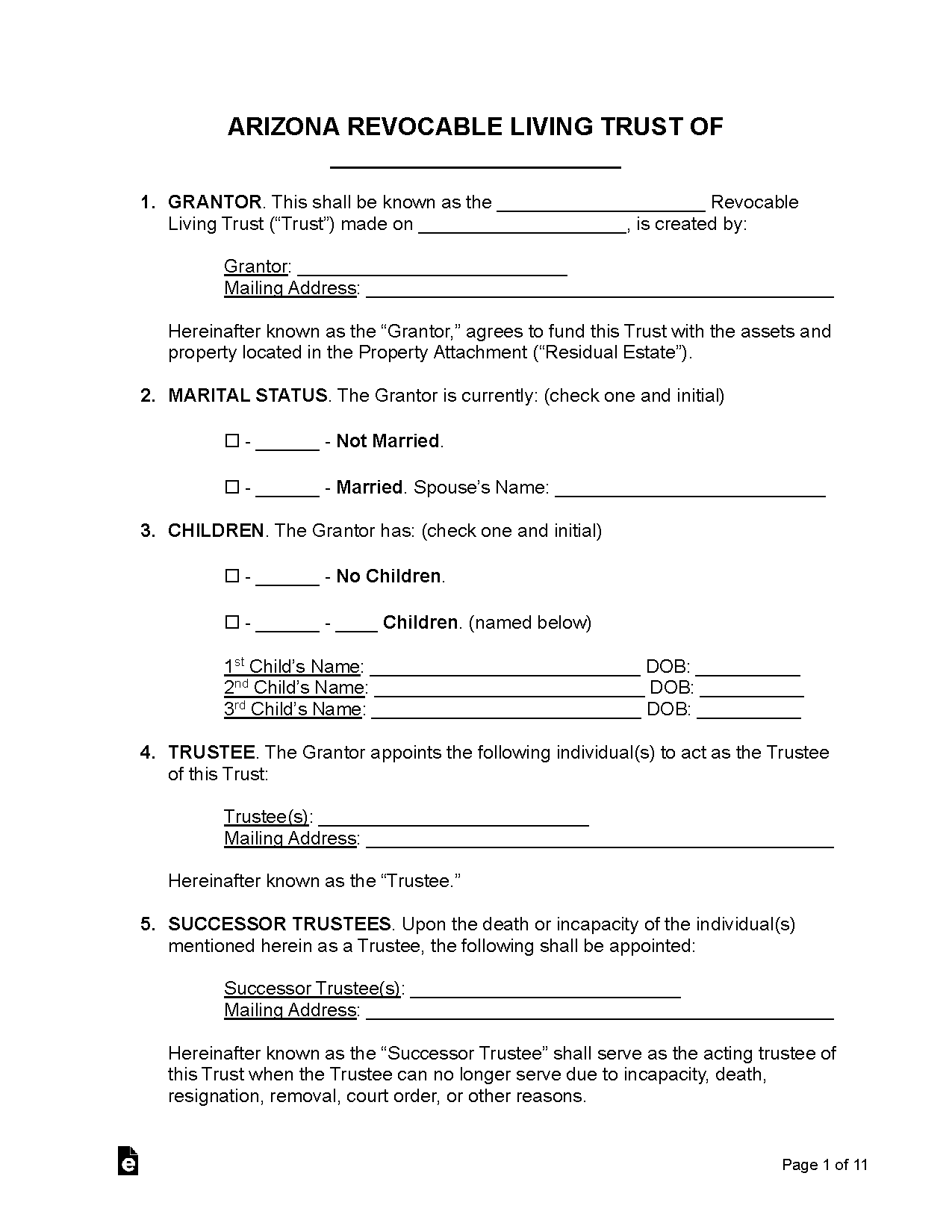
Arizona Revocable Living Trust Form

Full Conversation


I’m setting up a Joint Revocable Living Trust with my husband. We’re both listed as grantors and beneficiaries. How do I add beneficiaries who get paid after we both pass away?

Lexi

Lexi, Chatbot

Have you already drafted the trust terms?

Yes. In the trust, my husband and I are listed as 100% beneficiaries. I added instructions for our children to receive everything after we pass, but they’re not listed as beneficiaries. It seemed confusing to list us at 100% each and also list our kids at 50% each.

Lexi

Lexi, Chatbot

Are there any special conditions you want to include for your children?

Not really. I just don’t know where to list them if we’re already beneficiaries.

Jon

Jon

That’s a great question and a very common point of confusion. While you and your husband are alive, you are the primary beneficiaries, meaning the trust exists entirely for your benefit. The “100% each” language doesn’t divide the trust—it simply reflects that you both fully benefit from it during your lifetimes.

Your children are remainder beneficiaries (A.R.S. § 14-10103(13)). They receive what’s left in the trust only after both of you pass away. These roles don’t conflict because they apply at different times (A.R.S. § 14-10603(A)).

We live in Arizona and are using a Revocable Trust template. There’s only one section labeled “Beneficiaries” and no separate section for remainder beneficiaries. The form also has a “Specific Distributions” section, where I listed my kids’ percentages.

Jon

Jon

In templates like that, the Beneficiaries section is where you list your children with their percentages (for example, 50% each). Those percentages apply only after the second spouse passes away.

The Specific Distributions section is meant for fixed gifts (like a specific dollar amount or item), not for dividing the remainder of the estate.

So I should remove my kids from Specific Distributions and list them only as Beneficiaries?

Jon

Jon

Yes, exactly. List your children in the Beneficiaries section with their percentages. That ensures they receive the remaining trust assets after all expenses and any specific gifts are handled.

Thank you so much—you really cleared this up for me!

Jon

Jon

You’re very welcome! Glad I could help.

Jon

Jon

556 satisfied customers

Jon
Welcome! Have a similar question?

12 lawyers online now

Disclaimer


By messaging AskaLawyer.com, you agree to our Terms and have read our Privacy Policy.

The information provided on AskaLawyer.com is for general informational purposes only and does not constitute legal advice. While we strive to ensure the accuracy and timeliness of the information presented, we make no guarantees regarding its completeness or applicability to your specific circumstances.

Use of this website does not create an attorney-client relationship between you and AskaLawyer.com or any of its attorneys. Communications through this website, including any responses from attorneys, are not privileged or confidential. For advice tailored to your individual situation, we recommend consulting a licensed attorney in your jurisdiction.

AskaLawyer.com disclaims any liability for actions taken or not taken based on the content of this site. We are not responsible for any third-party content that may be accessed through this website. Reliance on any information provided herein is solely at your own risk.

Ask a Lawyer Logo
Ask a Lawyer Logo
Intake Questions
Step  of 3
Loading...

How do you like to pay?

By proceeding with payment, you agree to our Terms and Privacy Policy. You authorize us to charge $ today and $ thereafter until canceled. You may cancel anytime in the My Account section to stop future charges.

Total Due:

After purchasing, your chat will begin with an attorney.

By proceeding with payment, you agree to our Terms and Privacy Policy. You authorize us to charge $ today and $ thereafter until canceled. You may cancel anytime in the My Account section to stop future charges.

Total Due:

After purchasing, your chat will begin with an attorney.

It looks like you already have an account with Ask a Lawyer.

We have sent you a magic link to . Click the link in your email to sign in and continue your chat.

spin

Step of 6 •

You'll receive an email at as soon as the lawyer joins the conversation 🙏🏻😊

Over 90% of lawyers connect within 5 minutes. If you're not online at that moment, don't worry — the lawyer will reply to your message while you're away.

You're also welcome to stay in the chat while waiting to be connected 💬✨

Waiting for lawyer