EsquireChamp
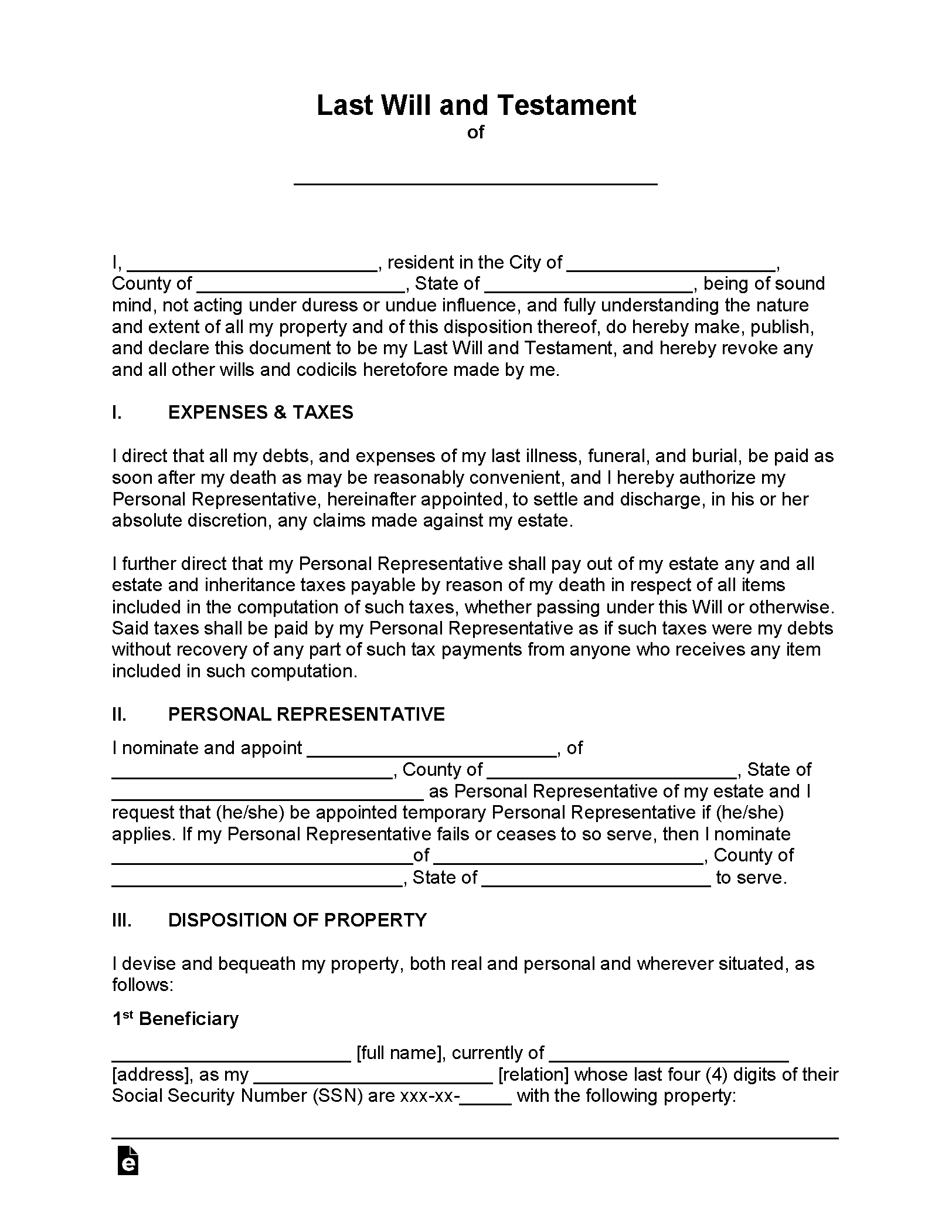
To verify that your grandmother’s will was properly probated in South Carolina, particularly regarding the land division among her five children, you need to ensure that the probate process adhered to South Carolina’s legal requirements and that the will was executed and admitted to probate correctly. Given the ongoing dispute between your uncles S.G. and J.G., it is crucial to understand the probate court’s jurisdiction and the procedures involved in contesting a will.
Probate Court Jurisdiction
The South Carolina Probate Court has exclusive original jurisdiction over all matters related to the estates of decedents, including the contest of wills, construction of wills, determination of property interests, and determination of heirs and successors (Code 1976 § 62-1-302). This means that the probate court is the primary authority for handling the probate of wills and related disputes. However, the circuit court also has jurisdiction to resolve real estate matters, including partition and quiet title actions, which may be relevant to the land division among your grandmother’s children (Code 1976 § 62-1-302).
Proper Execution and Admission of the Will
For a will to be properly probated, it must be executed according to legal requirements and admitted to probate by the probate judge. In Davis v. Davis, the court emphasized that wills must be proved before the probate judge of the county where the testator resided, and if the proof satisfies the judge, the will shall be admitted to probate in common form (Davis v. Davis, 214 S.C. 247 (1949))[2]. This process involves presenting evidence that the will is indeed the last will and testament of the deceased, and the probate court issues letters testamentary to the named executor (Davis v. Davis, 214 S.C. 247 (1949)).
Contesting the Will
If there is a dispute regarding the validity of the will or its execution, parties can contest the will in probate court. In Smith v. Lawton, the court remanded the case for an evidentiary hearing to determine whether the will was properly executed, highlighting the importance of proper execution in probate proceedings (Smith v. Lawton, 435 S.C. 179 (2021))[3]. Similarly, in Collins v. Collins, the court held that the validity of the will must be adjudicated before determining the distribution of the estate’s assets (Collins v. Collins, 219 S.C. 1 (1951)).
Ancillary Jurisdiction and Real Estate Matters
The probate court can retain ancillary jurisdiction over assets located in South Carolina, even if the will was probated in another state. In Tripp v. Tripp, the court affirmed that the probate court’s determination of the validity of an out-of-state probate did not preclude it from retaining jurisdiction over assets in South Carolina (Tripp v. Tripp, 240 S.C. 334 (1962)). This is relevant if there are assets or real estate in South Carolina that need to be managed or distributed according to the will.
Resolving Disputes and Legal Action
Given the ongoing dispute between your uncles, it may be necessary to seek legal action to resolve the property distribution. The probate court has the authority to hear and determine issues related to the estate, but if the matter involves real estate disputes, it may be removed to the circuit court for de novo proceedings (Code 1976 § 62-1-302). This allows for a thorough review and resolution of the dispute, ensuring that the property division is handled according to the will and legal requirements.
In summary, verifying that your grandmother’s will was properly probated involves ensuring that the probate court followed the correct procedures for admitting the will to probate, addressing any disputes regarding its validity, and managing the distribution of assets, including real estate. If necessary, legal action can be taken to resolve disputes in the circuit court, which has concurrent jurisdiction over real estate matters.