[DC] Is a parenting plan only valid if notarized or filed?


November 25, 2025 18 7

Full Conversation

Is a parenting agreement only valid if notarized or filed?

I understand the importance of ensuring your parenting agreement is legally valid. Is there a specific reason you are asking about the notarization or filing of the agreement?

I'm hoping to have a legally binding parenting agreement.

Have you and the other parent already created a parenting agreement, or are you in the process of drafting one?

Yes

Is there anything else the Family Lawyer should know before I connect you? Rest assured they’ll be able to help with your parenting agreement.

I found out my husband is having an affair, and he’s agreed to allow me to move with my daughter to my parents’ house in another state. I want to ensure this is legal.

Jon

Hello and thank you for reaching out! I’m Jon, a licensed attorney with over 13 years of experience, and I’m here to help.

I know legal matters can feel overwhelming, but you're in good hands. I’ll do my best to make things clear and provide you with the guidance you need. Let’s work together to find the right solution for your situation.

Jon

What state is this happening in?

Thank you.

Washington D.C.

Jon

And you want to know if it’s only valid if it is notarized or filed?

Yes

Jon

Understood! I think I have all the information I need, but is there anything else you'd like to add before I get started on your answer? If not, I'll start working on a response for you right away.

If it does need to be notarized or filed, what is the timeline and process?

Jon

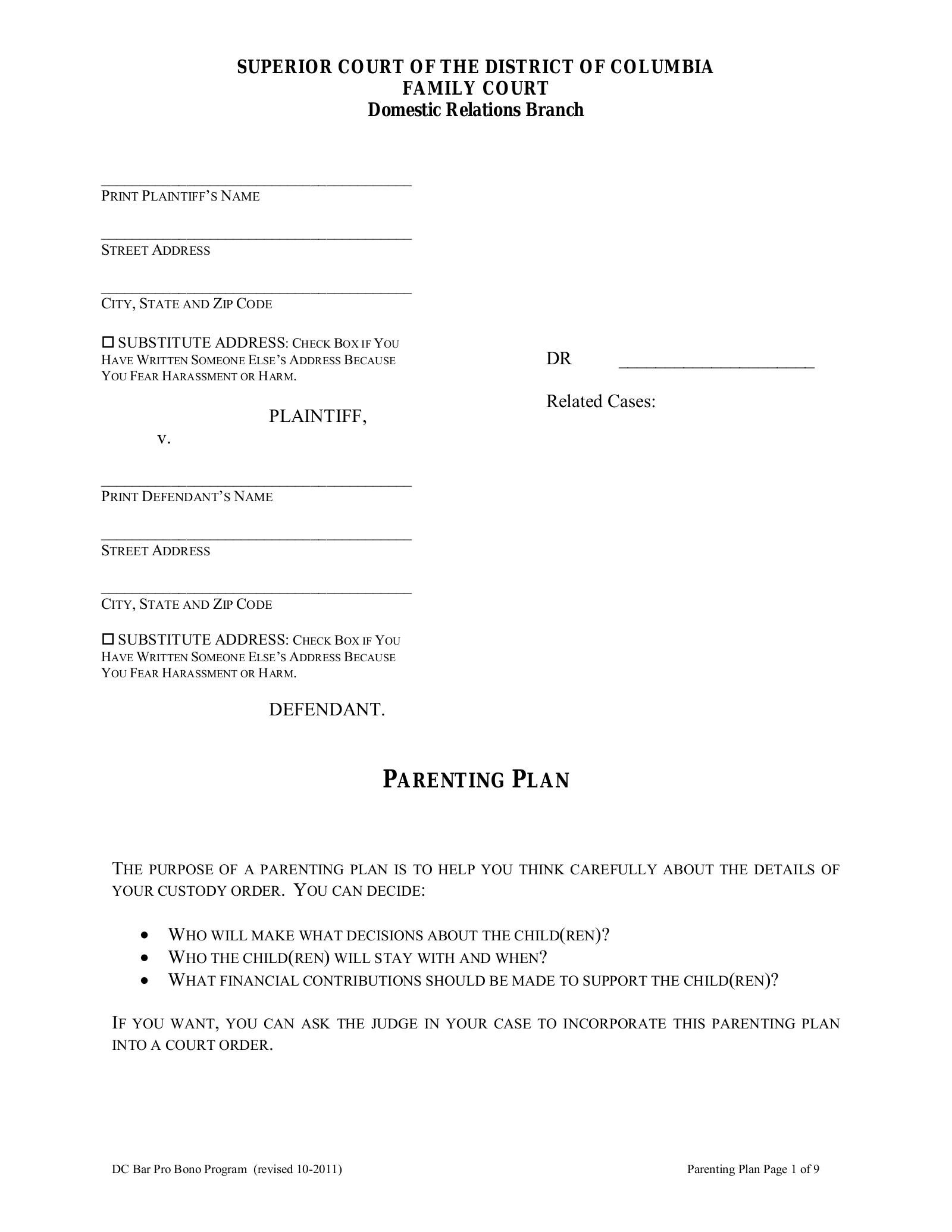
In Washington DC, even if you and your husband have agreed on everything and had it notarized, the agreement isn’t legally binding unless a judge incorporates it into a court order. Notarization just confirms that the signatures are real — it doesn’t give the court any authority to enforce the terms. So while your agreement might help show what you both intended, it won’t carry legal weight until a judge signs off on it.

To make your agreement legally binding in DC, you need to file it with the court as part of a custody case. Once filed, a judge can review it and, if everything looks good and it’s in your child’s best interests, approve it as part of a custody order. That’s the point where your agreement becomes enforceable by law.

Since you've already created a parenting agreement, you're ahead of the game. Now it’s about making sure the agreement is thorough — that it covers who makes major decisions for your child, where your child will live and spend time, how expenses like healthcare and education will be handled, and how both parents will stay informed and communicate about your child's needs.

If any disagreements come up in the future, it helps to include a plan for how to resolve them — for example, through mediation.

Once your agreement is complete, you’ll need to officially file a custody case with the DC Superior Court. This is done by submitting a legal document called a Complaint for Custody and/or Visitation. The court then reviews your agreement with one main question in mind: does this serve the best interests of your child?

Judges in DC generally support arrangements that allow both parents to stay involved and work together, especially if that helps the child maintain strong relationships with both of you.

Jon

In your case, you’re also planning to move to another state, which makes things more complicated. Moves like that are considered relocations, and they can’t be done unilaterally when there's a parenting agreement or custody order in place. DC courts want to make sure they have jurisdiction before deciding on any custody matter, which usually means your child must have lived in DC for at least six months prior to filing.

If your child hasn’t been gone from DC long and one parent still lives there, the court may still hear the case.

When it comes to relocation, the court will take a close look at how the move affects your daughter. They’ll consider things like how close she is to each parent, her emotional and developmental needs, the opportunities available to her in each location, and how feasible it is to maintain a healthy relationship with both parents despite the distance.

Even if your husband agrees to the move, the court’s main concern is still what’s best for your daughter.

Given how many moving parts are involved — especially with the relocation — it would be wise to speak with a family law attorney in DC. They can help make sure your agreement includes everything it needs to, guide you through the court process, and help you present your case in the strongest way possible.

You might also want to consider using mediation services through the DC Family Court. They offer free mediation through their Multi-Door Dispute Resolution Division, and even if you and your husband already agree on most things, it can be helpful to sit down with a neutral third party to finalize the details — especially when dealing with long-distance parenting.

All in all, while it’s great that you and your husband have worked things out between yourselves, don’t stop there. A notarized agreement isn’t enough. To protect your rights and ensure your daughter’s future is secure, you need to take that final step and get your agreement approved by the court.

Thank you.

Jon

You're very welcome! I hope the information I provided was helpful and addressed your question. If there's anything else you need, please don't hesitate to reach out — I’m always happy to assist. Wishing you a fantastic day ahead!