[IL] What happens if the seller defaults on their own mortgage during a contract for deed?

Brandon
Brandon

17,789 satisfied customers

View context
Solved

A contract for deed (also called an installment land contract) is a form of seller financing where you are buying the property over time, but legal title remains with the seller until the contract is fully paid. You, as the buyer, typically receive equitable title, meaning you have the right to possess and use the property, but you do not legally own it yet. Because of this structure, your rights and risks are very different from a traditional mortgage, and the exact wording of the contract is critical.

Under most contracts for deed, you are responsible for monthly payments, property taxes, insurance, and maintenance, even though the seller still holds legal title. If you default, even by missing one payment, the seller may have the right to terminate the contract and evict you, sometimes without a formal foreclosure process, depending on state law. (765 ILCS 67/40) In many states, sellers can keep prior payments as liquidated damages unless the contract or statute provides otherwise. This is one of the biggest risks to buyers.

Another key issue is whether the seller has an existing mortgage or liens on the property. If they do and default on their loan, the lender can foreclose even though you are making payments, because you are not yet on title. A well-drafted contract should require the seller to keep all underlying loans current and may allow you to cure defaults or place payments in escrow. If those protections are missing, your equity may be exposed.

Finally, contracts for deed often include strict notice, forfeiture, and acceleration clauses, which can heavily favor the seller. Some states impose statutory protections after a certain percentage of the purchase price is paid, converting forfeiture into a foreclosure-like process, but others do not. In Illinois, for example, a contract for deed that has been in effect for a certain period or where a significant portion of the purchase price has been paid may need to be treated like a mortgage requiring judicial foreclosure rather than a simple forfeiture, under the Illinois Mortgage Foreclosure Law (735 ILCS 5/15-1106}. To properly assess your position, the next step would be to review the specific contract terms, your payment history, and the state where the property is located, as contract-for-deed law is highly state-specific.

I hope I was able to help you and answer all of your questions and concerns. Is there any part of my response that you need clarification on or any further information? Did you have any other questions on this subject for me today?

0

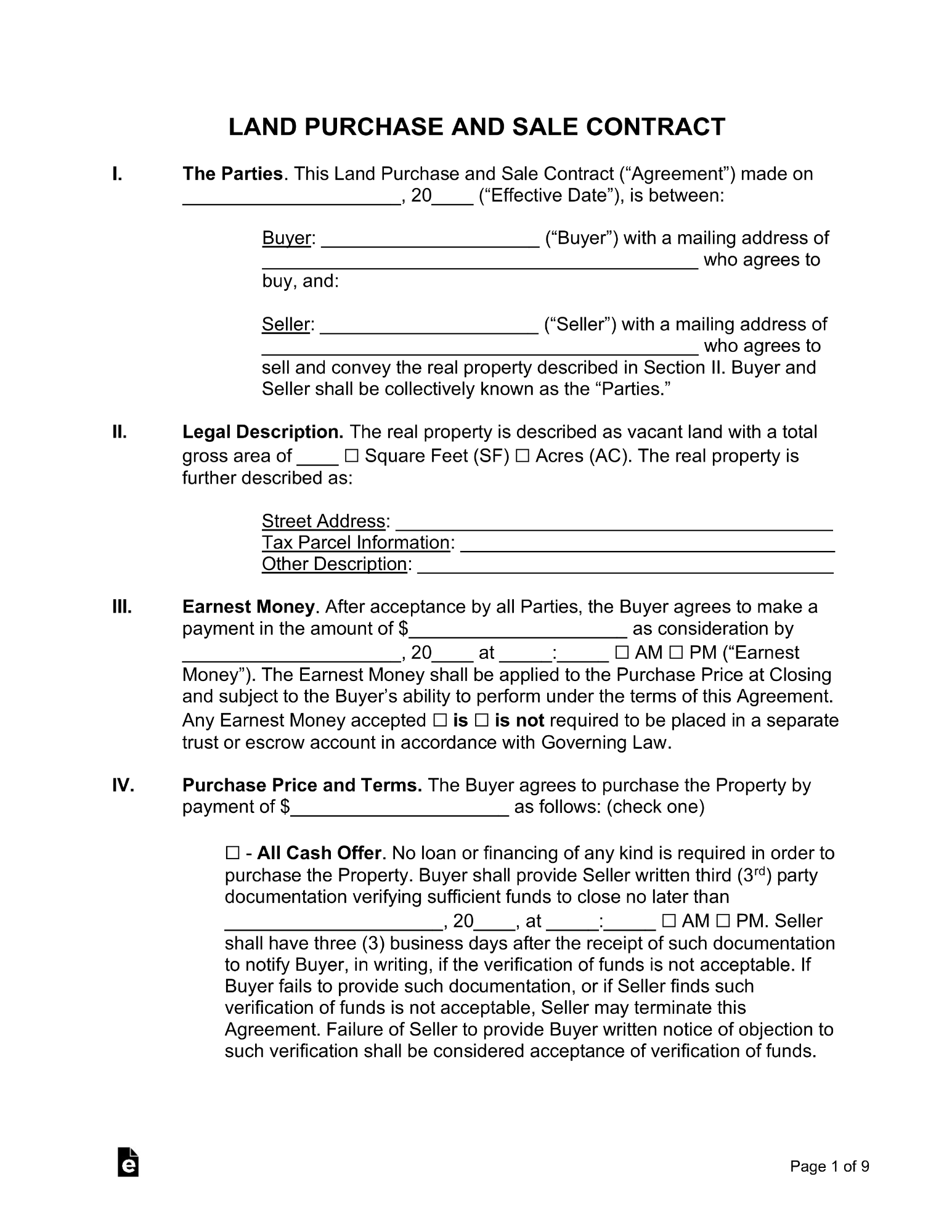
Land Purchase and Sale Contract

Full Conversation


Contract for deed.

Lexi

Lexi, Chatbot

I understand that dealing with a contract for deed can be quite complex. Can you please share what specific issues or concerns you have regarding the contract?

Explaining my contract to me.

Lexi

Lexi, Chatbot

Are you currently in the process of negotiating a contract for deed, or are you facing issues with an existing one?

Existing one.

Lexi

Lexi, Chatbot

Is there anything else the Real Estate Lawyer should know before I connect you? Rest assured they'll be able to help with your existing contract.

No.

Brandon

Brandon

Hi there, and welcome. My name is Brandon, and I'm an attorney. I'll be happy to help you out today. Please note that this discussion is for guidance only and does not constitute an Attorney-Client Relationship. My answers and comments should not be considered legal advice. Please also note that I am human, that I often need to research your answer to give you an accurate response, and that I work with other customers and get up from time to time. So please be patient while waiting for a response. Please feel free to reach out if more than 30 minutes have passed.

Where are you located? How can I assist?

Illinois. Can we talk on the phone?

Brandon

Brandon

I am not available.

I have a contract for deed I would like have looked at and explained to me.

Brandon

Brandon

A contract for deed (also called an installment land contract) is a form of seller financing where you are buying the property over time, but legal title remains with the seller until the contract is fully paid. You, as the buyer, typically receive equitable title, meaning you have the right to possess and use the property, but you do not legally own it yet. Because of this structure, your rights and risks are very different from a traditional mortgage, and the exact wording of the contract is critical.

Under most contracts for deed, you are responsible for monthly payments, property taxes, insurance, and maintenance, even though the seller still holds legal title. If you default, even by missing one payment, the seller may have the right to terminate the contract and evict you, sometimes without a formal foreclosure process, depending on state law. (765 ILCS 67/40) In many states, sellers can keep prior payments as liquidated damages unless the contract or statute provides otherwise. This is one of the biggest risks to buyers.

Another key issue is whether the seller has an existing mortgage or liens on the property. If they do and default on their loan, the lender can foreclose even though you are making payments, because you are not yet on title. A well-drafted contract should require the seller to keep all underlying loans current and may allow you to cure defaults or place payments in escrow. If those protections are missing, your equity may be exposed.

Finally, contracts for deed often include strict notice, forfeiture, and acceleration clauses, which can heavily favor the seller. Some states impose statutory protections after a certain percentage of the purchase price is paid, converting forfeiture into a foreclosure-like process, but others do not. In Illinois, for example, a contract for deed that has been in effect for a certain period or where a significant portion of the purchase price has been paid may need to be treated like a mortgage requiring judicial foreclosure rather than a simple forfeiture, under the Illinois Mortgage Foreclosure Law (735 ILCS 5/15-1106}. To properly assess your position, the next step would be to review the specific contract terms, your payment history, and the state where the property is located, as contract-for-deed law is highly state-specific.

I hope I was able to help you and answer all of your questions and concerns. Is there any part of my response that you need clarification on or any further information? Did you have any other questions on this subject for me today?

Thank you so much. That was helpful information. I understand better now. No further questions thanks!

Brandon

Brandon

You're welcome!! Happy New Year to you and your family! Thank you so much for your questions and for giving me the opportunity to assist you today. It was a pleasure helping you, and I truly appreciate your trust in my advice. Thank you!

Brandon

Brandon

17,789 satisfied customers

Brandon
Welcome! Have a similar question?

12 lawyers online now

0:00

By messaging AskALawyer, you agree to our Terms and Privacy Policy.

Disclaimer


By messaging AskaLawyer.com, you agree to our Terms and have read our Privacy Policy.

The information provided on AskaLawyer.com is for general informational purposes only and does not constitute legal advice. While we strive to ensure the accuracy and timeliness of the information presented, we make no guarantees regarding its completeness or applicability to your specific circumstances.

Use of this website does not create an attorney-client relationship between you and AskaLawyer.com or any of its attorneys. Communications through this website, including any responses from attorneys, are not privileged or confidential. For advice tailored to your individual situation, we recommend consulting a licensed attorney in your jurisdiction.

AskaLawyer.com disclaims any liability for actions taken or not taken based on the content of this site. We are not responsible for any third-party content that may be accessed through this website. Reliance on any information provided herein is solely at your own risk.

Ask a Lawyer Logo
Ask a Lawyer Logo
Intake Questions
Step  of 3
Loading...

What's your legal question?

Lexi, Chatbot

How would you like your legal question to be answered?

Online

Loading...

How do you like to pay?

By proceeding with payment, you agree to our Terms and Privacy Policy. You authorize us to charge $ today and $ thereafter until canceled. You may cancel anytime in the My Account section to stop future charges.

Total Due:

After purchasing, your chat will begin with an attorney.

By proceeding with payment, you agree to our Terms and Privacy Policy. You authorize us to charge $ today and $ thereafter until canceled. You may cancel anytime in the My Account section to stop future charges.

Total Due:

After purchasing, your chat will begin with an attorney.

After connecting, your chat will begin with an attorney. After choosing, your chat will continue with Legal AI.

It looks like you already have an account with Ask a Lawyer.

We have sent you a magic link to . Click the link in your email to sign in and continue your chat.

spin

Step of 6 •

You'll receive an email at as soon as the lawyer joins the conversation 🙏🏻😊

Over 90% of lawyers connect within 5 minutes. If you're not online at that moment, don't worry — the lawyer will reply to your message while you're away.

You're also welcome to stay in the chat while waiting to be connected 💬✨

Waiting for lawyer

We couldn't send your message. Please try again.

Your lawyer will reply as soon as possible

If there’s a delay, please don’t worry. Your chat will stay open, and they’ll get back to you as soon as they can. There’s no rush on your end either. You’ll receive an email notification as soon as there’s a new message.

You've reached your AI chat limit

Upgrade your plan to continue chatting and get instant domain-specific answers.

0:00