Dan
It sounds like your friend has been through a really stressful and unfair experience. Being accused of misconduct, especially when there is no clear evidence, can feel devastating both professionally and personally. From what you've shared, he was terminated him after a complaint and internal investigation that he feels misrepresented the facts. In situations like this, the key legal principles come from employment law, which generally allows at-will employers to terminate employees for almost any reason unless that reason violates federal or state law, such as discrimination or retaliation under laws like Title VII of the Civil Rights Act of 1964. (42 U.S.C. § 2000e-2)
However, if the company failed to follow its own investigative procedures, applied inconsistent discipline, or relied on false allegations, your friend may have a potential claim for wrongful termination or defamation. Let's walk through a few practical options so you both can see what next steps might make sense:
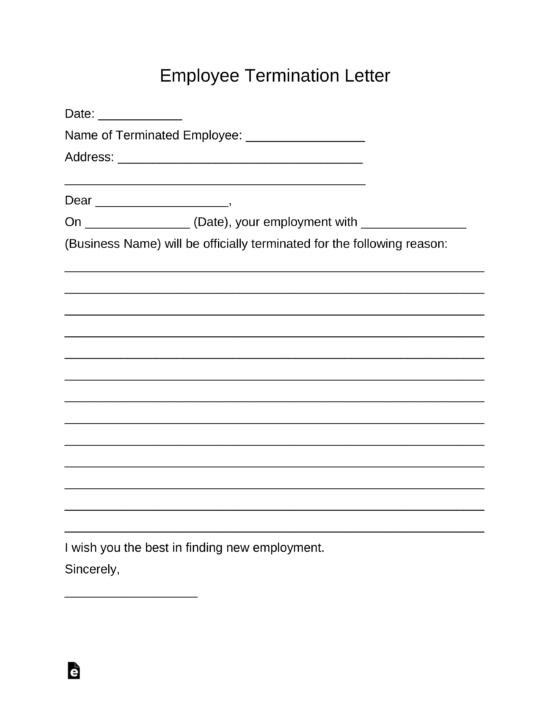
- One option is for your friend to request and carefully review his termination documentation and the investigation report once it arrives. Under federal law and many state regulations, employees are allowed to ask for a written explanation of their discharge, and companies often must provide related records if requested in writing. This review matters because it can reveal whether the company relied on factual inconsistencies or witness statements that can be challenged. It may also show violations of the company's own employee handbook or HR policies. Your friend should keep copies of all correspondence and avoid discussing the matter with former coworkers while reviewing the file.
- A second option is to file a formal written complaint with the company's corporate HR department or through the company's ethics hotline. Even though he was terminated, internal appeals or review processes sometimes trigger reconsideration, especially when the initial decision was rushed or based on limited information. If he explains calmly that the accusations were unsubstantiated and requests a reexamination of the evidence, HR may agree to at least reopen or note the dispute in his personnel file. This step can also show good faith if a later lawsuit or agency charge is filed.
- A third path is to consult directly with an employment attorney who handles wrongful termination, defamation, or retaliation cases. A lawyer can review the facts, compare them to similar cases, and write a preservation letter demanding that the employer maintain all investigation records, emails, and digital communications. If the termination was influenced by false allegations or discriminatory bias, the attorney can also guide him in filing an EEOC or state human rights complaint within the applicable deadlines, usually within 180 to 300 days of termination under (42 U.S.C. § 2000e-5(e)(1)). Documentation and witness credibility are key here.
In my view, the best starting point is for your friend to obtain and review the termination report and all supporting documents before taking further action. Knowing exactly what the employer put in writing will make the next decision clearer, whether that's appealing internally or consulting an attorney for possible legal claims. Please let me know if these options make sense to you. I am happy to explain anything further. It's important to me that you both fully understand your choices.