What steps are required to legally remove a partner who lives in your home without a lease?

Jon
Jon

556 satisfied customers

View context
Solved

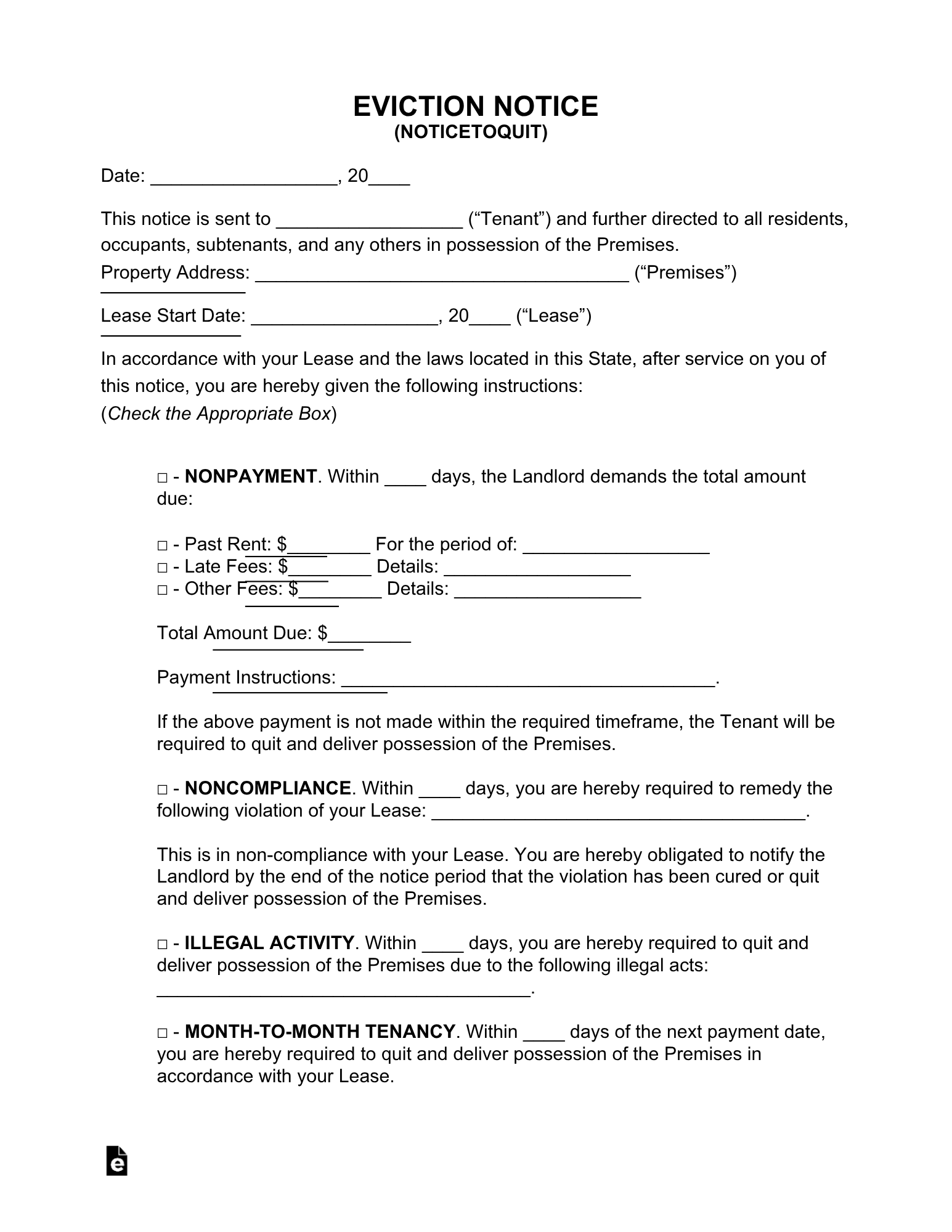
When someone stays in your home for a long period without a formal lease, like a guest or romantic partner, they usually become what the law calls a "tenant-at-will" or a "licensee," depending on the rules where you live. Even without a written agreement, the law sets out a clear process to protect both your property rights and the person's right to fair treatment. The first step is usually giving a written notice to leave, sometimes called a "notice to quit" or "notice to vacate." Most areas require a specific amount of time, often around 30 days, for the person to move out. It's important to deliver this notice in a way that proves they received it, such as certified mail. This notice establishes a legal record in case the person refuses to leave voluntarily. If they don't move out after that period, you generally cannot change the locks or remove their belongings yourself, because that can be considered an "illegal lockout."

Instead, the proper route is to go to court and file an eviction action, often called a "summons and complaint" for unlawful detainer. A judge will review the case, and if the court rules in your favor, a law enforcement officer, like a sheriff, is the only person legally allowed to remove the individual and their possessions. In situations where there's a threat of violence or harassment, it may be possible to request a temporary restraining order or an order of protection. If the court grants it, the person may be required to leave immediately, bypassing the usual eviction process. These emergency measures are generally reserved for safety concerns rather than simply wanting someone to move out. Here's what I can share based on the limited details I have so far that were provided. If there's anything more you'd like to add, please let me know so I can give a more precise answer. I might be away from my computer at times, but I'll get back to you as soon as I can. In the meantime, does this answer your question, or is there more you'd like to share?

0

Notice to Quit

Full Conversation


I let my boyfriend move into my house. I want him to leave. What are my options.

Lexi

Lexi, Chatbot

I understand that this situation can be quite stressful for you. How long has your boyfriend been living in your house?

6 months.

Lexi

Lexi, Chatbot

Do you have any written agreements or leases regarding his stay?

No.

Lexi

Lexi, Chatbot

Is there anything else the Lawyer should know before I connect you? Rest assured they'll be able to help with your eviction process.

No.

Jon

Jon

Hello, and thank you for reaching out! I'm Jon, a licensed attorney with over 13 years of experience, here to help. I understand legal matters can feel overwhelming, but you're in good hands. My goal is to explain things clearly and guide you toward the best possible solution for your situation. Just a quick note: our conversation is for general legal information only and does not create an attorney-client relationship.

What state do you live in?

Jon

Jon

When someone stays in your home for a long period without a formal lease, like a guest or romantic partner, they usually become what the law calls a "tenant-at-will" or a "licensee," depending on the rules where you live. Even without a written agreement, the law sets out a clear process to protect both your property rights and the person's right to fair treatment. The first step is usually giving a written notice to leave, sometimes called a "notice to quit" or "notice to vacate." Most areas require a specific amount of time, often around 30 days, for the person to move out. It's important to deliver this notice in a way that proves they received it, such as certified mail. This notice establishes a legal record in case the person refuses to leave voluntarily. If they don't move out after that period, you generally cannot change the locks or remove their belongings yourself, because that can be considered an "illegal lockout."

Instead, the proper route is to go to court and file an eviction action, often called a "summons and complaint" for unlawful detainer. A judge will review the case, and if the court rules in your favor, a law enforcement officer, like a sheriff, is the only person legally allowed to remove the individual and their possessions. In situations where there's a threat of violence or harassment, it may be possible to request a temporary restraining order or an order of protection. If the court grants it, the person may be required to leave immediately, bypassing the usual eviction process. These emergency measures are generally reserved for safety concerns rather than simply wanting someone to move out. Here's what I can share based on the limited details I have so far that were provided. If there's anything more you'd like to add, please let me know so I can give a more precise answer. I might be away from my computer at times, but I'll get back to you as soon as I can. In the meantime, does this answer your question, or is there more you'd like to share?

Jon

Jon

556 satisfied customers

Jon
Welcome! Have a similar question?

12 lawyers online now

0:00

By messaging AskALawyer, you agree to our Terms and Privacy Policy.

Disclaimer


By messaging AskaLawyer.com, you agree to our Terms and have read our Privacy Policy.

The information provided on AskaLawyer.com is for general informational purposes only and does not constitute legal advice. While we strive to ensure the accuracy and timeliness of the information presented, we make no guarantees regarding its completeness or applicability to your specific circumstances.

Use of this website does not create an attorney-client relationship between you and AskaLawyer.com or any of its attorneys. Communications through this website, including any responses from attorneys, are not privileged or confidential. For advice tailored to your individual situation, we recommend consulting a licensed attorney in your jurisdiction.

AskaLawyer.com disclaims any liability for actions taken or not taken based on the content of this site. We are not responsible for any third-party content that may be accessed through this website. Reliance on any information provided herein is solely at your own risk.

Ask a Lawyer Logo
Ask a Lawyer Logo
Intake Questions
Step  of 3
Loading...

What's your legal question?

Lexi, Chatbot

How would you like your legal question to be answered?

Online

Loading...

How do you like to pay?

By proceeding with payment, you agree to our Terms and Privacy Policy. You authorize us to charge $ today and $ thereafter until canceled. You may cancel anytime in the My Account section to stop future charges.

Total Due:

After purchasing, your chat will begin with an attorney.

By proceeding with payment, you agree to our Terms and Privacy Policy. You authorize us to charge $ today and $ thereafter until canceled. You may cancel anytime in the My Account section to stop future charges.

Total Due:

After purchasing, your chat will begin with an attorney.

After connecting, your chat will begin with an attorney. After choosing, your chat will continue with Legal AI.

It looks like you already have an account with Ask a Lawyer.

We have sent you a magic link to . Click the link in your email to sign in and continue your chat.

spin

Step of 6 •

You'll receive an email at as soon as the lawyer joins the conversation 🙏🏻😊

Over 90% of lawyers connect within 5 minutes. If you're not online at that moment, don't worry — the lawyer will reply to your message while you're away.

You're also welcome to stay in the chat while waiting to be connected 💬✨

Waiting for lawyer

We couldn't send your message. Please try again.

Your lawyer will reply as soon as possible

If there’s a delay, please don’t worry. Your chat will stay open, and they’ll get back to you as soon as they can. There’s no rush on your end either. You’ll receive an email notification as soon as there’s a new message.

You've reached your AI chat limit

Upgrade your plan to continue chatting and get instant domain-specific answers.

0:00