[CA] How can I stay in my life partner’s home after she dies, and have it return to her parents’ estate after my death?

I want to live in the home her parents bought for her until my death then have it returned to their estate.

22

10

Jon
Jon

556 satisfied customers

View context
Solved

If the goal is to secure your right to stay in the house without getting caught in probate, there are three main routes you could take:

  1. One option is a life estate deed, where your partner transfers the property into a deed that gives you lifetime rights to live there and names her parents as the ultimate owners after you’re gone. This is straightforward, legally binding, and works right away, but it does mean your partner gives up some control of the property, and there may be tax consequences to consider.
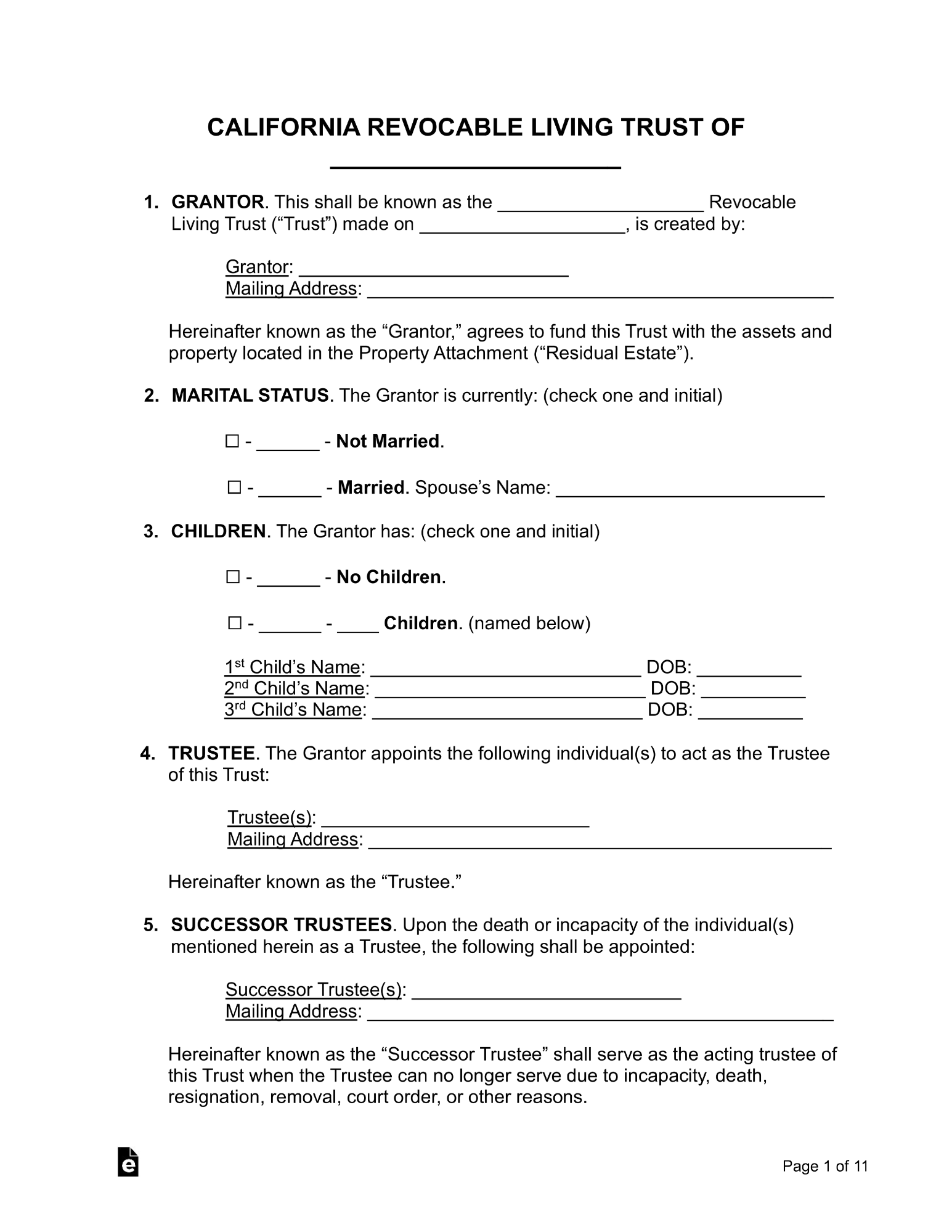
  2. The second option is creating a revocable living trust. Your partner would transfer the home into the trust and write in that you get a life estate after her death, with her parents as the final beneficiaries. Trusts offer flexibility and can cover more than just the house, but they’re also more complex and costly to set up compared to a deed.
  3. The third option, which isn’t ideal but worth mentioning, is a will that grants you a life estate. The problem here is that because it’s a will, the whole process still has to go through probate, which you’re hoping to avoid.

No matter which option you lean toward, working with an estate planning attorney in California is absolutely necessary. Property law can get complicated, and family dynamics can shift quickly after someone passes away. Having everything in writing, in a legally enforceable way, is the only way to protect yourself. It’s also smart to talk openly with your partner and her parents now to make sure everyone is clear and comfortable with the plan.

Finally, keep in mind that a life estate or trust arrangement isn’t just about legal rights—it can also affect taxes, property upkeep, and future expenses. An attorney or financial advisor can walk you through who would be responsible for these costs during your lifetime and what the financial impact will be once the property passes to her parents.

0

California Revocable Living Trust

Full Conversation


I want to live in the home her parents bought for her until my death then have it returned to their estate.

Lexi

Lexi, Chatbot

I understand that you want to secure your living situation in the home purchased by her parents. Can you please clarify your relationship to the person whose parents bought the home?

I don't know.

Lexi

Lexi, Chatbot

Are there any existing legal documents or agreements regarding your right to live in the home?

I don't know.

Lexi

Lexi, Chatbot

Is there anything else the Lawyer should know before I connect you? Rest assured they'll be able to help with your living situation.

I am referring to my life partner.

Jon

Jon

Hello and thank you for reaching out! I’m Jon, a licensed attorney with over 13 years of experience, and I’m here to help. I understand legal matters can feel overwhelming, but you’re in good hands. I’ll do my best to make things clear and guide you toward the right solution for your situation.

Jon

Jon

Thanks for sharing that your life partner's parents bought the home. To better assist you, could you let me know where the property is located? Also, do you have any written agreements or documents regarding your right to live in the home?

If you’re comfortable sharing more about your situation, I can offer advice tailored specifically to your needs. If not, no worries—I’m happy to provide a general overview based on what I know so far. Just let me know how you’d like to proceed.

My life partner is very ill. Liver failure awaiting a transplant that may not come. I am her caretaker as well life partner. Upon her demise I want to stay in our home that her parents bought her until my death. Then at that it should revert back to their estate.

Jon

Jon

I'm really sorry to hear about your partner's health situation. It sounds like you're going through a lot right now.

To help you better, could you let me know where the property is located? Also, do you know if there's a will or any legal documents that might mention your living arrangement after your partner's passing?

Yuba City, California

Jon

Jon

Thanks for letting me know the location. Do you know if there are any existing legal documents, like a will or trust, that mention your right to live in the home after your partner's passing?

None. Just the title in her name.

Jon

Jon

Got it, thanks for sharing that. Do you know if your partner's parents have any specific wishes or agreements regarding the property after your partner's passing? It might be helpful to understand their intentions.

They say that is fine but they hate my liberal political positions. And people get weird when people die. So it just one less thing to worry about at a volatile time.

Jon

Jon

Got it! Just need a few minutes to finish typing a full response for you. It won’t take long—about 4 or 5 minutes—because I want to make sure it’s thorough and thoughtful. Thanks for your patience!

Jon

Jon

Handling legal and personal matters while grieving is never easy, and it makes sense that you’d want to avoid the extra burden of probate. From what you’ve described, there are a few different ways you could protect your right to live in the home while also respecting your partner’s parents’ role as heirs. Let me break it down in plain terms so it’s easier to see the options.

A life estate is one way this could work. It’s a legal setup that allows someone—in this case, you—to live in and use a property for the rest of your life. Once you pass away, the property automatically goes to someone else, called the “remainderman.” Here, that would be your partner’s parents or their estate. To make that official, your partner would need to sign a new deed, which is simply the document that shows ownership of property.

Another way to look at this is through wills and trusts. A will lays out how someone wants their property and belongings divided after they die, but anything left through a will has to go through probate, which can be time-consuming and stressful. A trust works differently—it’s an arrangement where property is managed for the benefit of others. A properly set up trust can skip probate altogether.

Jon

Jon

If the goal is to secure your right to stay in the house without getting caught in probate, there are three main routes you could take:

  1. One option is a life estate deed, where your partner transfers the property into a deed that gives you lifetime rights to live there and names her parents as the ultimate owners after you’re gone. This is straightforward, legally binding, and works right away, but it does mean your partner gives up some control of the property, and there may be tax consequences to consider.
  2. The second option is creating a revocable living trust. Your partner would transfer the home into the trust and write in that you get a life estate after her death, with her parents as the final beneficiaries. Trusts offer flexibility and can cover more than just the house, but they’re also more complex and costly to set up compared to a deed.
  3. The third option, which isn’t ideal but worth mentioning, is a will that grants you a life estate. The problem here is that because it’s a will, the whole process still has to go through probate, which you’re hoping to avoid.

No matter which option you lean toward, working with an estate planning attorney in California is absolutely necessary. Property law can get complicated, and family dynamics can shift quickly after someone passes away. Having everything in writing, in a legally enforceable way, is the only way to protect yourself. It’s also smart to talk openly with your partner and her parents now to make sure everyone is clear and comfortable with the plan.

Finally, keep in mind that a life estate or trust arrangement isn’t just about legal rights—it can also affect taxes, property upkeep, and future expenses. An attorney or financial advisor can walk you through who would be responsible for these costs during your lifetime and what the financial impact will be once the property passes to her parents.

When I am living it is me. Then when I am gone it is them or their heirs. So my heirs do not benefit.

Jon

Jon

A life estate is a legal arrangement that allows you to live in a property for the remainder of your life. When you die, your legal interest in the property ends completely. The property then automatically transfers to the designated remainderman, in this case, your partner's parents or their estate. Your heirs would not inherit the home, nor would it be considered part of your estate. This is a common tool used in estate planning to ensure someone has a home for life without giving them full ownership rights, which is exactly what you described wanting to happen.

Jon

Jon

I’m here to help, so please feel free to reach out anytime if you need clarification or further guidance. While I might not be available immediately, I’ll respond as quickly as I can when you do.

I do hope the information I provided was helpful and addressed your question. If there's anything else you need, please don't hesitate to reach out—I’m always happy to assist. Wishing you a fantastic day ahead!

Jon

Jon

556 satisfied customers

Jon
Welcome! Have a similar question?

12 lawyers online now

0:00

By messaging AskALawyer, you agree to our Terms and Privacy Policy.

Barrister
Barrister

Lawyer/Landlord/Realtor

4.78 (65,716)

Do I need to register a revocable trust with the court or state?

20

8

Answered 1 week ago

Disclaimer


By messaging AskaLawyer.com, you agree to our Terms and have read our Privacy Policy.

The information provided on AskaLawyer.com is for general informational purposes only and does not constitute legal advice. While we strive to ensure the accuracy and timeliness of the information presented, we make no guarantees regarding its completeness or applicability to your specific circumstances.

Use of this website does not create an attorney-client relationship between you and AskaLawyer.com or any of its attorneys. Communications through this website, including any responses from attorneys, are not privileged or confidential. For advice tailored to your individual situation, we recommend consulting a licensed attorney in your jurisdiction.

AskaLawyer.com disclaims any liability for actions taken or not taken based on the content of this site. We are not responsible for any third-party content that may be accessed through this website. Reliance on any information provided herein is solely at your own risk.

Ask a Lawyer Logo
Ask a Lawyer Logo
Intake Questions
Step  of 3
Loading...

Lexi, Chatbot

How would you like your legal question to be answered?

Online

Legal AI

Using ChatGPT 4o

Loading...

How do you like to pay?

By proceeding with payment, you agree to our Terms and Privacy Policy. You authorize us to charge $ today and $ thereafter until canceled. You may cancel anytime in the My Account section to stop future charges.

Total Due:

After purchasing, your chat will begin with an attorney.

By proceeding with payment, you agree to our Terms and Privacy Policy. You authorize us to charge $ today and $ thereafter until canceled. You may cancel anytime in the My Account section to stop future charges.

Total Due:

After purchasing, your chat will begin with an attorney.

After connecting, your chat will begin with an attorney.

After choosing, your chat will continue with Legal AI.

It looks like you already have an account with Ask a Lawyer.

We have sent you a magic link to . Click the link in your email to sign in and continue your chat.

spin

Step of 6 •

You'll receive an email at as soon as the lawyer joins the conversation 🙏🏻😊

Over 90% of lawyers connect within 5 minutes. If you're not online at that moment, don't worry — the lawyer will reply to your message while you're away.

You're also welcome to stay in the chat while waiting to be connected 💬✨

Waiting for lawyer

0:00