Can an employer label a union nurse unsafe and remove them from nursing for raising workplace concerns?

Andrew F., Esq.
Andrew F., Esq.

42 satisfied customers

View context
Solved

From a legal standpoint, your situation raises issues of discipline without documented performance deficiencies, potential pretext, and contractual protections under your union agreement. Employers generally have discretion to reassign or terminate employees in at-will settings, but in a unionized role, their actions are typically governed by a collective bargaining agreement (CBA) that requires "just cause" for discipline or removal from a position. The fact that you have no documented clinical errors, no board issues, and only vague communication-related concerns, particularly ones tied to questioning leadership, can be significant. If the employer cannot show objective, job-related safety concerns supported by evidence, their "unsafe nurse" label may be challenged as unsupported or pretextual, especially if it appears tied to protected activity such as raising concerns about workplace practices or patient care. Under Section 7 of the National Labor Relations Act (29 U.S.C. § 157), employees have the right to engage in concerted activities for mutual aid or protection, and interfering with that right is an unfair labor practice under 29 U.S.C. § 158(a)(1). Your union grievance is therefore the primary and most immediate legal mechanism, and the upcoming HR meeting is critical. The key legal concept here is building a record: you should request specific examples of alleged unsafe conduct, written policies you supposedly violated, and how your actions deviated from standard nursing practice. You can also emphasize your clean clinical record and ask whether similarly situated nurses have been treated the same way. Depending on what emerges, there may also be potential claims beyond the union process, such as retaliation (if your questions involved patient safety or compliance issues), wrongful discipline under the CBA, or even whistleblower protections in certain contexts. For now, focus on staying factual, requesting documentation, and ensuring the employer is held to its burden of proving legitimate, evidence-based reasons for its actions.

0

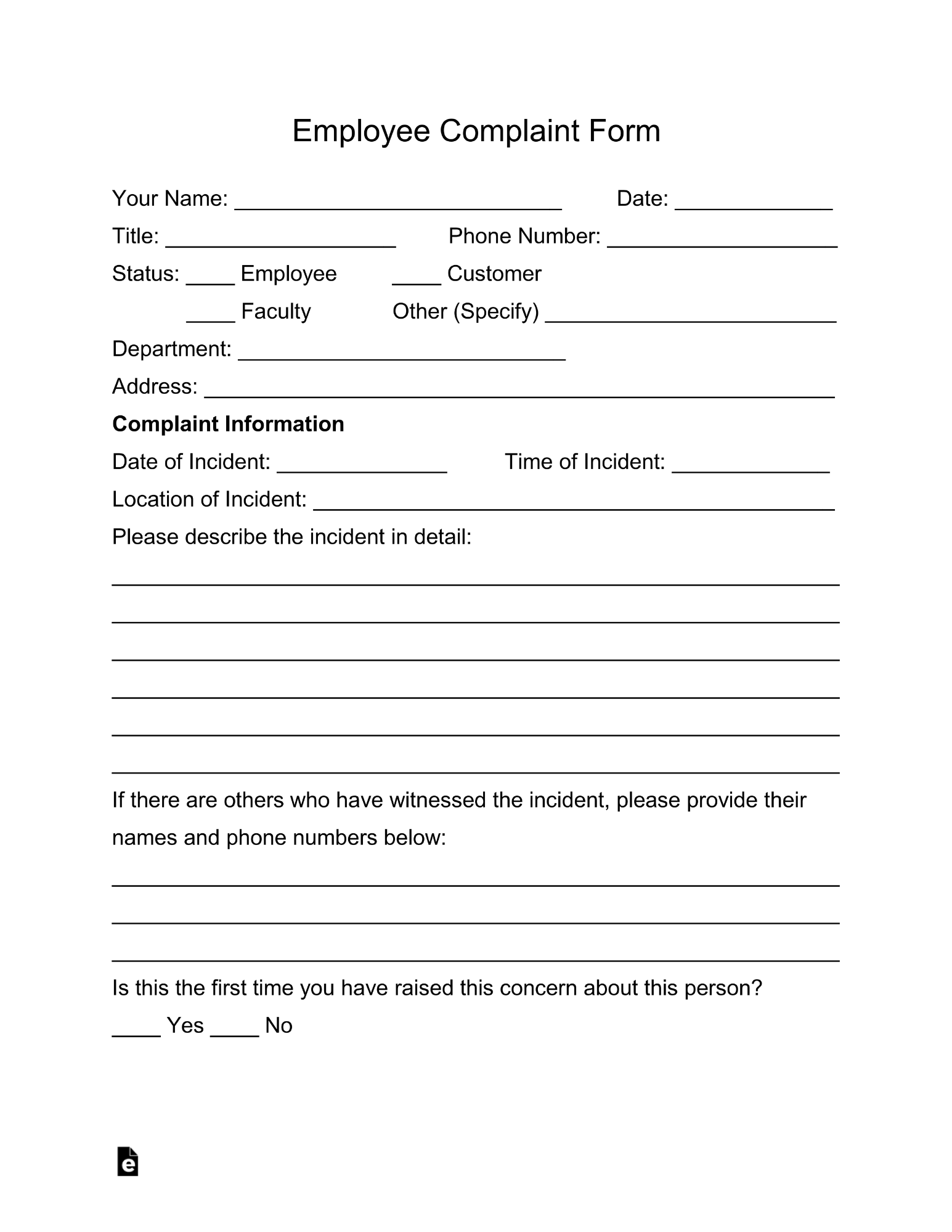
Employee Complaint Form

Full Conversation


My workplace has told me I have a month left to be a nurse at this employer because I am not a "safe nurse." I have not made any medication or procedural errors. There have been no critical incidents or extraordinary events or occurrences, nor is my license under question with the state board of nursing. My employer has based their "unsafe nurse" claim on me asking questions that they claim "no nurse should be asking." I want to know if I have any recourse besides the union.

Lexi

Lexi, Chatbot

I'm sorry to hear about the difficult situation you're facing at work. Have you received any formal documentation or warnings regarding your employer's claim of being an "unsafe nurse"?

No, the claim of me being an "unsafe nurse" has not been put into writing. They have told me that I can apply for other positions within the company, but may no longer work as a nurse. The only "disciplinary" style documentation I have received in the last two years was given to me during the "unsafe nurse" discussion. This document has categories like "professional judgement and workplace boundaries" and "failure to follow communication expectations." Within the "professional judgement" category, the only explanation is: "On March 19, 2026, you expressed concerns that leadership actions were taken 'behind your back' and indicated intent to escalate concerns outside appropriate channels. Additionally, during supervision on March 26, 2026, you made comments about leadership that were not constructive and did not align with expectations for professional workplace communication."

Lexi

Lexi, Chatbot

Have you had any performance reviews or feedback from your employer that might provide context for their concerns?

Not since 2024, when I was a nurse supervisor (non-union). None of those performance reviews had anything to do with my performance as a nurse, and they were non-specific, vague complaints about communication and boundaries. Since November 2024, I have been a union-represented staff nurse (non-supervisory) and have received no discipline.

Lexi

Lexi, Chatbot

Is there anything else the Employment Lawyer should know before I connect you? Rest assured they'll be able to help with your employment termination issue.

No.

Andrew F., Esq.

Andrew F., Esq.

Good day and welcome. Please give me a moment to review your question. Just so you are aware, this is a legal information only site. I do not provide representation and no attorney-client relationship is formed. My answers and comments should not be considered legal advice. It is always best to hire a local attorney to review the specifics of your particular case to ensure that a proper review is conducted.

Andrew F., Esq.

Andrew F., Esq.

Any other recent developments?

The union has filed a grievance on my behalf, and I am told we are to meet on Monday with the director of HR.

Andrew F., Esq.

Andrew F., Esq.

From a legal standpoint, your situation raises issues of discipline without documented performance deficiencies, potential pretext, and contractual protections under your union agreement. Employers generally have discretion to reassign or terminate employees in at-will settings, but in a unionized role, their actions are typically governed by a collective bargaining agreement (CBA) that requires "just cause" for discipline or removal from a position. The fact that you have no documented clinical errors, no board issues, and only vague communication-related concerns, particularly ones tied to questioning leadership, can be significant. If the employer cannot show objective, job-related safety concerns supported by evidence, their "unsafe nurse" label may be challenged as unsupported or pretextual, especially if it appears tied to protected activity such as raising concerns about workplace practices or patient care. Under Section 7 of the National Labor Relations Act (29 U.S.C. § 157), employees have the right to engage in concerted activities for mutual aid or protection, and interfering with that right is an unfair labor practice under 29 U.S.C. § 158(a)(1). Your union grievance is therefore the primary and most immediate legal mechanism, and the upcoming HR meeting is critical. The key legal concept here is building a record: you should request specific examples of alleged unsafe conduct, written policies you supposedly violated, and how your actions deviated from standard nursing practice. You can also emphasize your clean clinical record and ask whether similarly situated nurses have been treated the same way. Depending on what emerges, there may also be potential claims beyond the union process, such as retaliation (if your questions involved patient safety or compliance issues), wrongful discipline under the CBA, or even whistleblower protections in certain contexts. For now, focus on staying factual, requesting documentation, and ensuring the employer is held to its burden of proving legitimate, evidence-based reasons for its actions.

Andrew F., Esq.

Andrew F., Esq.

Does that make sense?

Yes.

I do think I'm being retaliated against. I have raised lots of concerns while at work. I am vocal about the issues affecting patient health. How would I know which voiced concern in particular I am being retaliated against? This "unsafe nurse" accusation has only been raised since I've been under a new supervisor, starting March 17. The single document they provided me mentions documentation of me not communicating in appropriate channels on March 20, meaning documentation to build a case against me started immediately in my new position (non-voluntary, due to my previous program position running out of funding).

Andrew F., Esq.

Andrew F., Esq.

From a legal standpoint, retaliation is proven through timing, pattern, and linkage, not necessarily a single "trigger" complaint, so the close timing between your protected activity (raising patient safety concerns) and the sudden "unsafe nurse" labeling under a new supervisor is legally significant. You don't have to identify one exact statement; instead, the analysis looks at whether your ongoing protected conduct was a motivating factor in the adverse action, especially where documentation only begins after you engage in that conduct. Focus on building a timeline showing when you raised concerns, what they involved, and how quickly negative actions followed, as that causal connection is the core of a retaliation claim.

Andrew F., Esq.

Andrew F., Esq.

42 satisfied customers

Andrew F., Esq.
Welcome! Have a similar question?

12 lawyers online now

0:00

By messaging AskALawyer, you agree to our Terms and Privacy Policy.

Disclaimer


By messaging AskaLawyer.com, you agree to our Terms and have read our Privacy Policy.

The information provided on AskaLawyer.com is for general informational purposes only and does not constitute legal advice. While we strive to ensure the accuracy and timeliness of the information presented, we make no guarantees regarding its completeness or applicability to your specific circumstances.

Use of this website does not create an attorney-client relationship between you and AskaLawyer.com or any of its attorneys. Communications through this website, including any responses from attorneys, are not privileged or confidential. For advice tailored to your individual situation, we recommend consulting a licensed attorney in your jurisdiction.

AskaLawyer.com disclaims any liability for actions taken or not taken based on the content of this site. We are not responsible for any third-party content that may be accessed through this website. Reliance on any information provided herein is solely at your own risk.

Ask a Lawyer Logo
Ask a Lawyer Logo
Intake Questions
Step  of 3
Loading...

What's your legal question?

Lexi, Chatbot

How would you like your legal question to be answered?

Online

Loading...

How do you like to pay?

By proceeding with payment, you agree to our Terms and Privacy Policy. You authorize us to charge $ today and $ thereafter until canceled. You may cancel anytime in the My Account section to stop future charges.

Total Due:

After purchasing, your chat will begin with an attorney.

By proceeding with payment, you agree to our Terms and Privacy Policy. You authorize us to charge $ today and $ thereafter until canceled. You may cancel anytime in the My Account section to stop future charges.

Total Due:

After purchasing, your chat will begin with an attorney.

After connecting, your chat will begin with an attorney. After choosing, your chat will continue with Legal AI.

It looks like you already have an account with Ask a Lawyer.

We have sent you a magic link to . Click the link in your email to sign in and continue your chat.

spin

Step of 6 •

You'll receive an email at as soon as the lawyer joins the conversation 🙏🏻😊

Over 90% of lawyers connect within 5 minutes. If you're not online at that moment, don't worry — the lawyer will reply to your message while you're away.

You're also welcome to stay in the chat while waiting to be connected 💬✨

Waiting for lawyer

We couldn't send your message. Please try again.

Your lawyer will reply as soon as possible

If there’s a delay, please don’t worry. Your chat will stay open, and they’ll get back to you as soon as they can. There’s no rush on your end either. You’ll receive an email notification as soon as there’s a new message.

You've reached your AI chat limit

Upgrade your plan to continue chatting and get instant domain-specific answers.

0:00